Tag: Fitness

  • Strength vs. Cardio: What’s Best for Your Goals?

    Strength vs. Cardio: What’s Best for Your Goals?

    Deciding between strength training and cardio can feel like choosing between two equally important paths for your fitness routine. Both forms of exercise offer a wealth of health benefits, but which one aligns best with your personal goals? Whether you’re training to build muscle, lose weight, or simply improve overall health, understanding the differences between strength training and cardiovascular workouts is key.

    This guide will break down the benefits, provide tips to help you choose, and even explain how these two forms of exercise can complement each other for optimal fitness results. By the end of this article, you’ll not only understand the key differences between strength and cardio but also know how to tailor your workout plan to meet your unique goals.

    The Basics of Strength Training and Cardio

    What Is Strength Training?

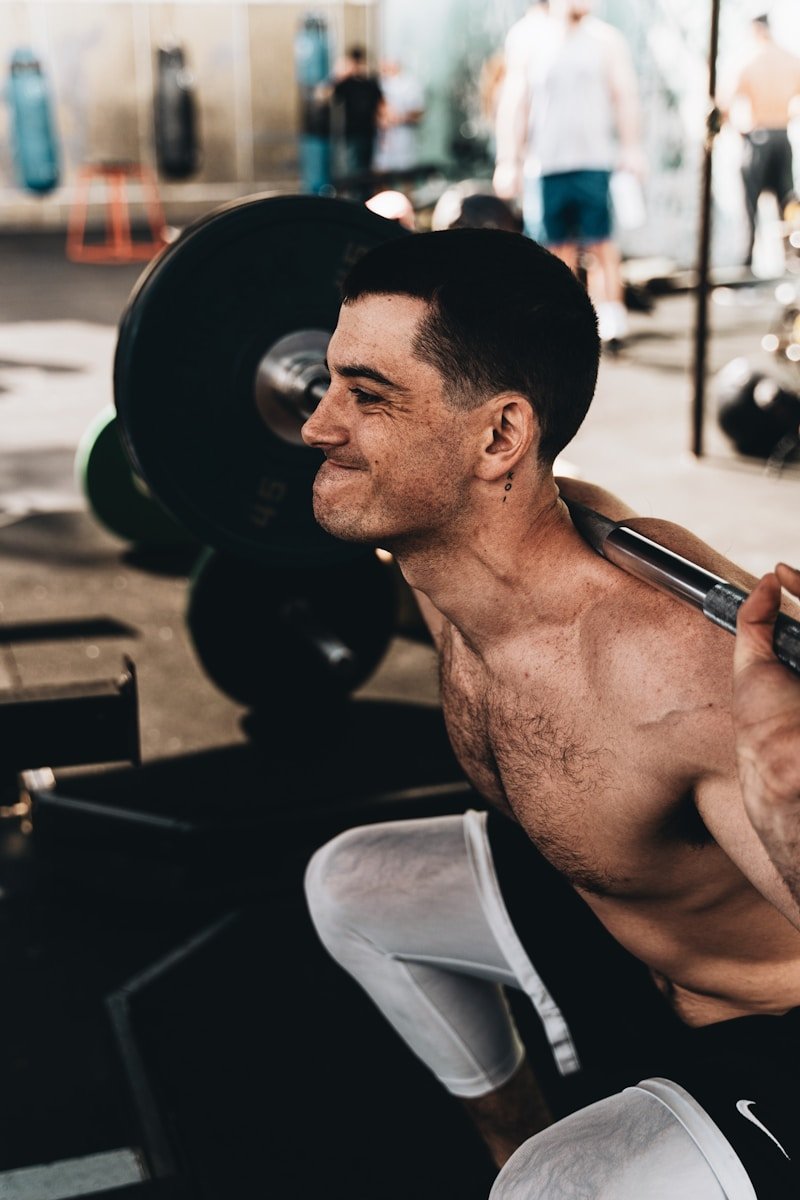
    Strength training, also known as resistance or weight training, focuses on building muscle and increasing strength. This is done through repeated movements using weights, resistance bands, or even your own body weight (think push-ups and squats).

    The key benefits of strength training include:

    • Building muscle mass and improving muscle tone
    • Boosting metabolism to burn more calories, even at rest
    • Increasing bone density, reducing the risk of osteoporosis
    • Enhancing functional fitness for daily activities like lifting or carrying

    Common examples of strength exercises include:

    • Weightlifting (e.g., deadlifts, bench presses)
    • Bodyweight exercises (e.g., planks, lunges, pull-ups)
    • Resistance band or cable machine workouts

    Most experts recommend doing strength training 2–3 times a week, allowing recovery days for your muscles.

    What Is Cardio?

    Strength

    Cardiovascular exercise, often called “cardio,” is any activity that raises your heart rate and breathes life into your endurance. These workouts keep your heart pumping and challenge the lungs, engaging multiple muscle groups to sustain energy levels over time.

    The key benefits of cardio include:

    • Improving heart health and lung capacity
    • Burning calories efficiently for weight loss
    • Boosting mood and energy, thanks to the release of endorphins
    • Enhancing stamina for sustained physical activity

    Common types of cardio include:

    • Running or jogging
    • Swimming or cycling
    • High-Intensity Interval Training (HIIT)
    • Dance workouts, like Zumba
    • Brisk walking

    For maximum health benefits, aim for at least 150 minutes of moderate-intensity cardio (or 75 minutes of vigorous activity) per week, according to the American Heart Association’s guidelines.

    Which Is Right for Your Goals?

    Now that we’ve covered the basics, the real question arises—should you focus on strength training or cardio? The answer depends on what you’re working to achieve. Let’s break it down by goal:

    1. If Your Goal Is Weight Loss

    When it comes to shedding pounds, cardio often steals the spotlight due to its calorie-burning efficiency. Activities like running or cycling can burn hundreds of calories in a single session. However, strength training is equally important for long-term results. Why? Building muscle increases your resting metabolic rate, meaning you burn more calories even when lounging on the couch.

    Best Strategy: Pair both. Spend 3–4 days on a mix of strength training and cardio. Incorporate HIIT, which combines bursts of cardio with bodyweight exercises, for maximum calorie burn in a short period.

    2. If Your Goal Is Muscle Gain

    To build muscle and incStrength vs. Cardio: What’s Right for Your Goals?Best Strategy: Focus on strength training 4–5 days a week. Cardio can still be included in small doses (10–20 minutes as a warm-up or cool-down) to support cardiovascular health without interfering with muscle-building progress.

    3. If Your Goal Is Heart Health

    When it comes to heart health, cardio is king. Activities like brisk walking, running, or swimming strengthen your heart, improve circulation, and reduce the risk of cardiovascular diseases.

    Best Strategy: Commit to moderate-intensity cardio at least 5 days a week. Pair it with light strength training (2–3 times per week) to support overall health and functional strength.

    4. If Your Goal Is Improved Stamina and Endurance

    Endurance requires activities that train your body to sustain energy over long periods—making cardio your go-to. Long-distance running or cycling will help you achieve greater stamina, whether for marathons or simply keeping up with your kids.

    Best Strategy: Focus on cardio 4–5 times per week. Incorporate strength training 1–2 times a week to maintain muscular balance and prevent injuries.

    5. If Your Goal Is Overall Health and Fitness

    For general health and well-being, there’s no “one-size-fits-all.” A balanced mix of both strength and cardio provides a well-rounded fitness routine that addresses all aspects of a healthy lifestyle.

    Best Strategy: Alternate between the two. For example:

    • Monday/Wednesday/Friday – Strength Training
    • Tuesday/Thursday/Saturday – Cardio
    • Sunday – Rest or light stretching

    Can Strength and Cardio Be Combined?
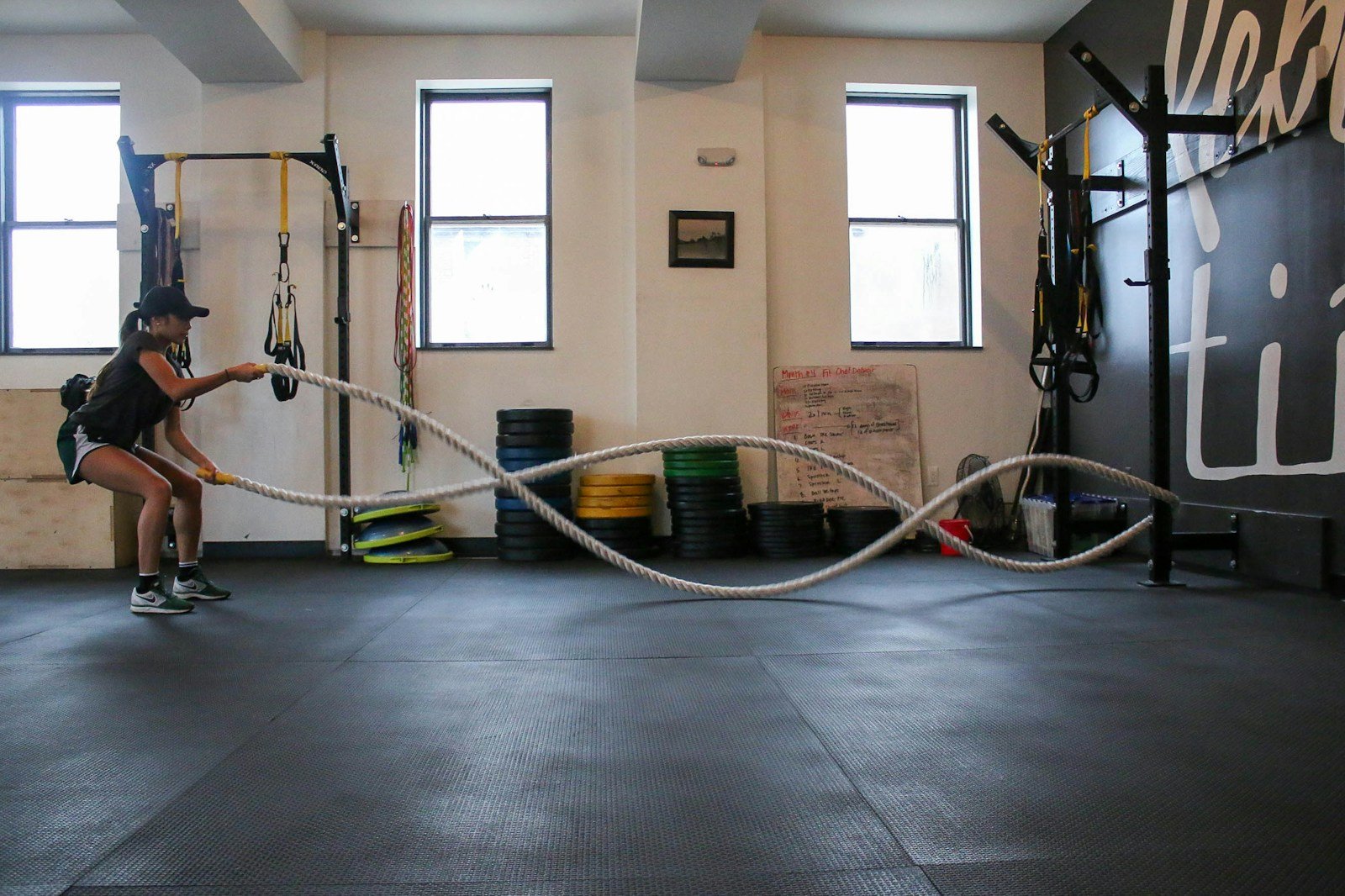
    woman holding exercise using training rope

    Absolutely! The best fitness plans often combine both forms of exercise to maximize benefits. Strength training builds a solid foundation, while cardio improves endurance and heart health. Here are some ways to blend the two:

    • Circuit Training: Combine strength and cardio exercises in one workout. For example, do a set of squats with weights, followed by a 1-minute sprint on the treadmill.
    • Add Cardio Intervals: During your strength workout, incorporate short bursts of cardio (e.g., jumping jacks between each set).
    • Alternate Days: Dedicate specific days to strength training and others to cardio.

    The synergy of both will help you reach a variety of fitness goals while keeping your workouts engaging and diverse.

    FAQs About Strength and Cardio

    Q: Will cardio “kill” my strength training progress?

    A: Not necessarily. If your priority is building muscle, avoid excessive cardio that might interfere with recovery. A little cardio, however, can complement your gains by enhancing blood flow and endurance.

    Q: Can I do both in the same workout?

    A: Yes! Combining the two in a single session (such as through circuit training) works well for overall fitness. However, if you’re highly goal-oriented, dedicating separate days for each may yield better results.

    Q: Which burns more calories—strength or cardio?

    A: Cardio burns more calories during the workout, but strength training burns calories long after the session due to the muscle repair process (known as the “afterburn” effect).

    Finding Your Ideal Balance

    Remember, the “best” workout is the one that aligns with your goals and fits seamlessly into your lifestyle. Start by defining what you want to achieve, experimenting with different routines, and listening to your body as you progress.

    Looking for extra guidance? Speak to a certified personal trainer who can create a custom plan combining the best of strength and cardio for your needs.


  • The Perfect Balance: Resistance Training and Cardio for Optimal Fitness

    The Perfect Balance: Resistance Training and Cardio for Optimal Fitness

    When it comes to fitness, many people struggle with finding the perfect balance between resistance training and cardio. Achieving the right combination can help you improve both your aesthetics and overall health. But how do you strike that balance? Should you spend more time lifting weights, or is cardio equally important? In this article, we’ll explore the ideal way to incorporate both resistance training and cardiovascular exercise into your routine, providing a guide that can serve as a foundation for anyone looking to improve their fitness level.

    Train Like an Athlete

    A popular mantra in fitness is, “If you want to look like an athlete, train like an athlete.” This philosophy emphasizes a balanced approach to training that combines strength, conditioning, and overall fitness. Many people tend to focus on one area—either lifting weights or running—but to truly achieve athleticism, you need to do both. Athletes train for performance, which inherently includes strength and endurance. This balance not only helps them excel in their sport but also results in a lean, strong physique.

    So, how does this translate into a workout routine for the average person? The key lies in creating a split that combines resistance training with cardio in a way that helps you maintain or build muscle mass while also staying lean and cardiovascularly fit.

    The Ideal Resistance and Cardio Split

    The first question many people ask is, “What percentage of my training should be dedicated to resistance training versus cardio?” For most people, a 60/40 split is an effective starting point. This means leaning slightly more towards resistance training while still giving cardio its due.

    Here’s a simple breakdown of how this might look over the course of a week:

    • Strength Training (60%): Three days per week (e.g., Monday, Wednesday, Friday)
    • Cardio/Conditioning (40%): Two days per week (e.g., Tuesday, Thursday)

    This split offers a balanced approach for someone looking to maintain or add some muscle mass in specific areas while also keeping body fat low and maintaining cardiovascular health. Of course, the exact ratio can shift depending on your specific goals. For example, if you’re training for a marathon, your cardio might take up a larger portion of your workout time.

    Strength Training: The Foundation of Fitness

    Strength training is critical for building muscle, increasing strength, and enhancing overall athleticism. When you focus on resistance training three days a week, you’re giving your muscles the stimulus they need to grow and become stronger. A well-rounded strength training program should include exercises that target all the major muscle groups, ensuring balanced development. Common approaches include:

    • Full-body workouts: Covering multiple muscle groups in a single session
    • Upper/lower body splits: Alternating between upper body and lower body days
    • Push/pull splits: Focusing on push movements (e.g., bench press) one day and pull movements (e.g., deadlifts) another day

    By hitting all the major muscle groups in these sessions, you ensure that your body develops evenly and becomes stronger as a whole.

    Cardio: The Heart of Fitness

    Cardio is essential for heart health, endurance, and maintaining a lean physique. By incorporating two days of cardio into your routine, you’re working to improve your cardiovascular fitness and burn extra calories. Cardio doesn’t have to mean long, grueling runs; it can include activities such as:

    • High-Intensity Interval Training (HIIT): Short bursts of intense exercise followed by rest periods
    • Steady-state cardio: Longer, moderate-intensity sessions such as jogging or cycling
    • Sports and recreational activities: Playing basketball, swimming, or hiking

    These forms of cardio not only enhance your endurance but also complement your strength training by improving your overall energy output and fat-burning potential.

    The Duration of Workouts: How Long is Too Long?

    Once you’ve settled on a workout split, the next question is often about duration. How long should each workout last? For most people, a good rule of thumb is to aim for workouts that last an hour or less.

    • Strength Training: 50-60 minutes, including a 10-minute warm-up
    • Cardio: 30-45 minutes per session

    If you go beyond these timeframes, especially for strength training, you may start to experience issues with recovery. Pushing yourself too hard for too long can lead to burnout, increased risk of injury, and even a weakened immune system, as your body struggles to recover between sessions. This is especially important as you age, when recovery times can become longer, and injuries are more common.

    Training Intensity vs. Training Duration

    One of the key principles of effective training is this: “You can either train long, or you can train hard, but you can’t do both.” When you’re short on time, focus on intensity. High-intensity training sessions, even if they’re shorter, can yield impressive results. This doesn’t mean you should skip your warm-up, though! Properly warming up your body is crucial to preventing injuries and preparing your muscles for the work ahead.

    When training for overall fitness, intensity should be the primary focus. Your workouts don’t need to last for hours if you’re pushing yourself hard during the time you have. For example, after a proper warm-up, aim for 50 minutes of focused, challenging resistance training. This approach allows you to train efficiently while avoiding the pitfalls of overtraining.

    Adjusting for Age and Experience

    Age is another factor that plays a significant role in your workout duration and intensity. As we age, our bodies require more time to recover, and we need to be more mindful of how we train. In your 20s, you might be able to jump straight into a workout with minimal warm-up and still feel great. But as you get older, warm-ups become more critical, and the duration of your workouts might need to be adjusted to avoid overtraining.

    This doesn’t mean you should shy away from intensity. On the contrary, many people find that as long as they take the time to warm up properly, they can still train hard, regardless of their age. However, be cautious of the length of your workouts. If you find that longer sessions lead to aches, pains, or a decrease in performance, it may be time to cut back on the duration and focus on getting the most out of shorter, more intense workouts.

    Conclusion: The Right Balance for You

    Finding the right balance between resistance training and cardio is key to achieving your fitness goals. For most people, a 60/40 split in favor of strength training is a great starting point. Keep your workouts intense but under an hour, and adjust your routine as needed based on your goals, experience, and age.

    Remember, it’s not just about how long you train but how hard you train. Focus on quality over quantity, and ensure that each session counts. With the right balance, you can achieve a strong, athletic physique while maintaining your cardiovascular health and staying lean.

    The Perfect Balance: Resistance Training and Cardio for Optimal Fitness
    The Perfect Balance: Resistance Training and Cardio for Optimal Fitness
    The Perfect Balance: Resistance Training and Cardio for Optimal Fitness
    The Perfect Balance: Resistance Training and Cardio for Optimal Fitness
    The Perfect Balance: Resistance Training and Cardio for Optimal Fitness
    The Perfect Balance: Resistance Training and Cardio for Optimal Fitness
    The Perfect Balance: Resistance Training and Cardio for Optimal Fitness
    The Perfect Balance: Resistance Training and Cardio for Optimal Fitness
    The Perfect Balance: Resistance Training and Cardio for Optimal Fitness
    The Perfect Balance: Resistance Training and Cardio for Optimal Fitness
    The Perfect Balance: Resistance Training and Cardio for Optimal Fitness
    The Perfect Balance: Resistance Training and Cardio for Optimal Fitness
    woman doing yoga near rock during daytime
    man running near sea during daytime