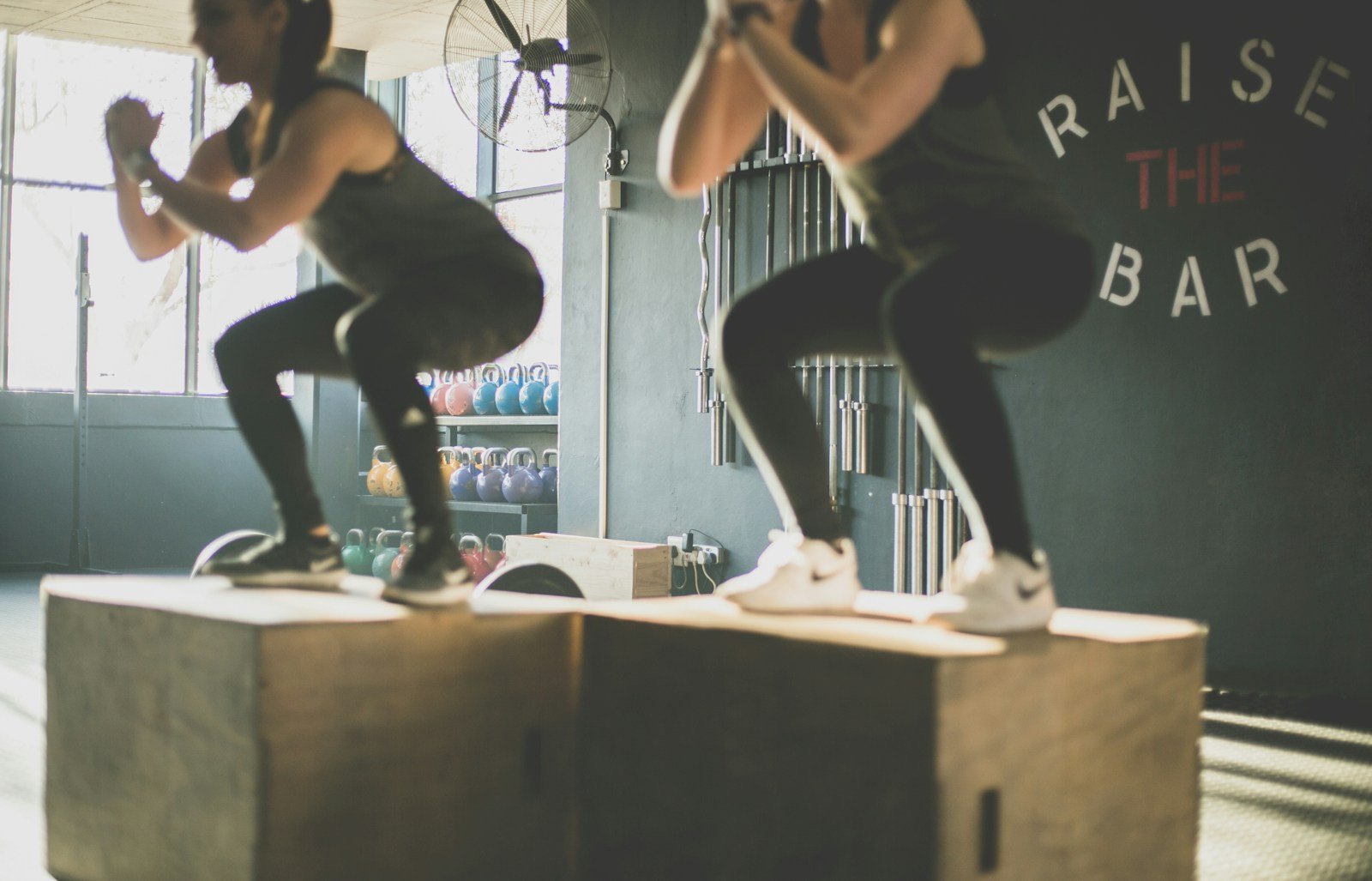
Tag: Fitness

  • 10 Inspirational Stories of People Who Transformed Their Lives Through Fitness

    10 Inspirational Stories of People Who Transformed Their Lives Through Fitness

    Change is never easy, but sometimes, all it takes is an inspiring story to spark transformation. These ten individuals redefined their futures by committing to fitness, proving that no matter where you start, a healthier, happier life is possible. These are tales of resilience, grit, and the life-altering power of movement.

    Whether you’re starting your fitness journey, struggling to stay motivated, or simply curious about the human spirit, these stories will leave you inspired.

    1. From Couch to Marathon – Sarah’s Journey

    Sarah had never run a day in her life, but at 41 and feeling out of shape, she decided it was time for a change. Guided by a couch-to-5K training app, her initial goal was simply to jog for 10 minutes without stopping.

    Two years later, Sarah crossed the finish line of her first marathon. She credits her success to starting small and gradually increasing her endurance. Today, running is her therapy, her passion, and proof that it’s never too late to lace up and go.

    Takeaway:

    Set achievable goals and celebrate progress. Small steps lead to big milestones.

    2. Reclaiming Life After an Injury – Tom’s Comeback

    Tom, a construction worker, suffered a debilitating back injury that left him bedridden. He spiraled into depression and gained significant weight. A physical therapist introduced him to resistance training as part of his recovery.

    It took months of incremental progress, but Tom regained not only his physical mobility but also his confidence. Today, he’s an advocate for adaptive fitness and shares his story to inspire others recovering from injuries.

    Takeaway:

    The path to recovery is tough, but with patience, dedication, and the right support, transformation is entirely possible.

    3. A 100-Pound Weight Loss – Jessica’s Revelation

    Fitness

    At 280 pounds, Jessica struggled with self-esteem and health issues. She decided to make a change when a routine health check revealed serious risks of diabetes. With guidance from a nutritionist and a personal trainer, she started strength training and cut back on processed foods.

    Two years later, Jessica had lost 100 pounds and gained incredible self-confidence. But what she values most is her newfound energy and zest for life.

    Takeaway:

    When fitness meets proper nutrition, the results can be life-changing.

    4. Overcoming Anxiety Through Yoga – Priya’s Peace

    Priya struggled with crippling anxiety, finding it impossible to quiet her thoughts. She reluctantly attended her first yoga class on a friend’s recommendation and was surprised by how calm she felt after.

    Months of consistent practice transformed her mental health. Priya now practices yoga daily, teaching others how mindfulness can be a powerful tool for emotional well-being.

    Takeaway:

    Fitness isn’t just about physical health—it’s a gateway to mental clarity and peace.

    5. A Parkinson’s Fighter – James’ Battle

    Diagnosed with Parkinson’s in his late 50s, James feared losing his independence. His doctor suggested boxing training to improve coordination. The intense workouts at his local gym gave him more than physical strength—they gave him hope.

    James now runs boxing classes tailored for individuals with Parkinson’s, empowering others who face similar challenges.

    Takeaway:

    Fitness can be a powerful tool to manage chronic conditions and improve quality of life.

    6. Breaking Stereotypes – Maria’s Weightlifting Journey

    At 65, Maria wanted to prove that aging doesn’t mean slowing down. She joined a local gym and started lifting weights with a personal trainer. What began as a casual hobby became her passion.

    Maria is now a competitive powerlifter, breaking records in her age group. She loves shattering stereotypes and encourages others to challenge perceptions of age and fitness.

    Takeaway:

    It’s never too late to start. Strength comes in all forms—and ages.

    7. Healing Through Movement – Ahmed’s Mental Health Revolution

    Ahmed battled depression for years, trying various therapies without success. It wasn’t until he began daily jogs in his neighborhood that he finally felt a shift.

    Over time, running became his outlet, helping him manage his mental health and regain control over his life. Ahmed recently completed a half marathon and credits fitness as a major component of his mental well-being.

    Takeaway:

    Fitness can be a lifeline, offering healing for both mind and body.

    8. A Teenager Turns to the Gym – Ethan’s Transformation

    Ethan faced years of bullying that crushed his self-esteem. At 16, he decided to channel his frustrations into weight training. His local gym became his sanctuary.

    Within a year, Ethan not only built physical strength but also gained confidence and self-respect. Today, he’s an advocate for youth fitness and mental health.

    Takeaway:

    Fitness can empower and restore confidence, especially for young individuals navigating tough times.

    9. From Desk Job to Ironman – Lisa’s Incredible Feat

    Lisa spent most of her 30s at a desk job, feeling sluggish and unmotivated. On a whim, she signed up for a sprint triathlon. Completing that race ignited a passion for endurance sports.

    Now in her 40s, Lisa has completed three Ironman competitions and says she’s stronger than she’s ever been. Fitness didn’t just improve her health—it gave her a bold new identity.

    Takeaway:

    Stepping out of your comfort zone can lead to incredible life adventures.

    10. Rebuilding After Addiction – Carlos’ Redemption

    Carlos spent much of his life battling substance abuse. After rehab, he turned to fitness as a way to rebuild his life. He started with daily walks and eventually moved on to high-intensity interval training (HIIT).

    Carlos now runs a fitness program for recovering addicts, using his story to inspire others. He views fitness as his anchor, keeping him grounded and focused on his future.

    Takeaway:

    Fitness can be a powerful tool for recovery, offering stability and a sense of purpose.

    How These Stories Inspire Us All

    The individuals in these stories transformed their lives through fitness, proving that it’s never too late—or too early—to make a change. Whether your goal is weight loss, improved mental health, or simply feeling more confident, fitness can be the powerful catalyst you need.

    Which story resonated with you most? Share your thoughts in the comments below or tag someone who needs a little inspiration today.

    If you’re ready to begin your transformation, start small. Whether it’s a walk around the block or your first yoga class, every step counts.

    Premium Content

    This article continues on the next page.

    Click to Watch Ad and Continue
  • How to Build Healthy Habits That Last Forever

    How to Build Healthy Habits That Last Forever

    Building a fitness routine that sticks can feel like an impossible task. You start with boundless motivation, but before long, life gets in the way. Why is it so hard to maintain those healthy habits, even when we know they’re good for us?

    The answer lies in understanding the psychology behind habit formation. By tapping into proven strategies and using science-backed techniques, you can create lasting fitness habits that feel natural and sustainable. This guide breaks down the key principles of fitness psychology and shows you how to start building habits that truly last.

    Why Do Fitness Habits Fail?

    Before we jump into solutions, it’s crucial to understand why so many fitness routines fizzle out.

    Unrealistic Expectations

    One of the biggest mistakes is setting goals that are too ambitious. For example, jumping from no physical activity to committing to an intense daily workout isn’t sustainable for most people. You’ll quickly feel overwhelmed or discouraged by the huge leap.

    Lack of a Clear Plan

    “Get fit” is a fantastic goal, but it’s vague. How do you measure success? Without clarity, it’s hard to track progress, and you’re more likely to give up.

    Relying on Motivation

    Motivation can be a powerful spark, but it isn’t a constant. Factors like stress, lack of sleep, or a busy schedule can drain your enthusiasm. When motivation dips, many people stop altogether.

    Viewing Fitness as a Chore

    When exercise feels like a punishment or an obligation, you associate it with negative feelings. Over time, you’ll naturally avoid doing it.

    The Science Behind Habit Formation

    Habits are powerful. According to research, about 40% of our daily actions are automatic habits. This means you can design routines to work for you, but it requires intentional effort in the beginning.

    What Are Habits?

    Psychologists describe habits as loops made up of three key components:

    1. Cue – A trigger that initiates the behavior.
    2. Routine – The behavior you want to adopt, like exercising or stretching.
    3. Reward – The feeling or tangible benefit you get afterward, which reinforces the habit.

    For example:

    • Cue: Laying out your workout clothes before bed.
    • Routine: Going for a 20-minute jog in the morning.
    • Reward: Feeling energized and clear-headed for the rest of the day.

    The more consistent this loop becomes, the more automatic it will feel.

    Pages: 1 2

  • 5 Cardio Workouts You Can Do Without a Treadmill

    5 Cardio Workouts You Can Do Without a Treadmill

    When you think about cardio workouts, the image of a treadmill often comes to mind. However, not everyone has gym access, likes running on a treadmill, or finds it convenient to use one. Luckily, you don’t need fancy equipment to get your heart racing and improve your cardiovascular health.

    There are plenty of treadmill-free exercises that are just as effective at burning calories, boosting endurance, and improving fitness. Whether you’re at home, in the park, or even traveling, these five cardio workouts can be done virtually anywhere with little to equipment.

    Why Cardio Is Essential

    Before we jump into the workouts, it’s worth understanding why cardio is important. Cardiovascular exercise gets your heart pumping, increases your lung capacity, and improves overall stamina. Regular cardio workouts can help with weight management, lower your risk of heart disease, and release endorphins, boosting both your physical and mental health.

    The best part? Cardio doesn’t have to mean pounding away on a treadmill for hours. Many alternatives are fun, dynamic, and accessible to everyone.

    1. Jump Rope

    Why it Works

    Jumping rope is more than a childhood pastime—it’s a high-intensity workout that enhances coordination while torching calories. A 150-pound person can burn approximately 375 calories in just 30 minutes of skipping rope.

    How to Get Started

    • Beginner’s Guide: Start with a lightweight rope and practice basic two-foot jumps.
    • Add Variety: Once comfortable, you can include variations such as single-leg jumps, high knees, or double-unders for a greater challenge.
    • Time It: Aim for 3-5 sets of 1-minute jumps, followed by a 30-second rest in between.

    Jump ropes are portable, making them a great option for a fast cardio session at home or on the go.

    2. High-Intensity Interval Training (HIIT)

    Why it Works

    HIIT pairs short bursts of intense exercise with brief recovery periods, making it one of the most efficient ways to burn calories and improve endurance. Most HIIT workouts can be completed in under 30 minutes but deliver results that rival longer, steady-state cardio sessions.

    Example HIIT Routine

    No equipment? No problem! Here’s a simple 10-minute HIIT workout to try:

    • Jumping Jacks – 45 seconds
    • Burpees – 30 seconds
    • Mountain Climbers – 45 seconds
    • Rest – 30 seconds

    Repeat this circuit two to three times, depending on your fitness level.

    HIIT is adaptable and can be tailored to your preferences. Plus, it keeps things from getting boring!

    3. Stair Climbing or Step-Ups

    Why it Works

    If there’s a staircase nearby or even a sturdy surface like a park bench, you’ve got a powerful cardio workout at your disposal. Stair climbing and step-ups target the lower body while elevating your heart rate, giving you a mix of cardio and strength training.

    How to Perform

    • Stair Climb: If you have access to a flight of stairs, spend 10-15 minutes walking or jogging up and down. The steeper the stairs, the harder the workout.
    • Step-Ups: Using a bench or sturdy surface, step up one leg at a time, ensuring you keep your back straight. Add intensity by holding light weights or increasing your pace.

    The incline works your glutes, quads, and calves while improving your stamina.

    4. Dancing

    Cardio

    Why it Works

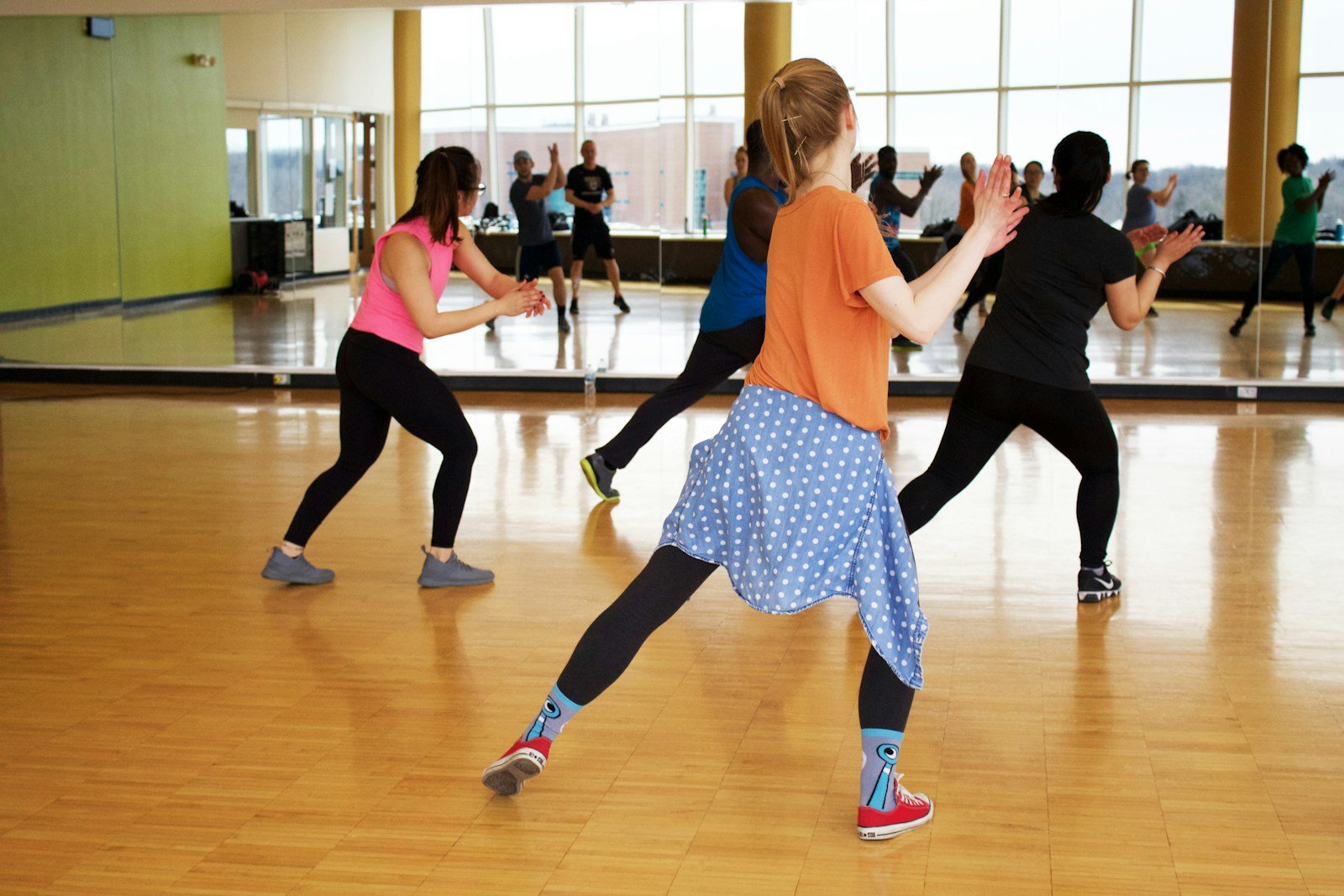
    Who5 Cardio Workouts You Can Do Without a Treadmill says exercise can’t be fun? Dancing is an enjoyable way to get your heart rate up while improving coordination and flexibility. Plus, it’s so versatile—you can freestyle to your favorite playlist, try a dance-based fitness class like Zumba, or follow a YouTube dance workout.

    Getting Started

    • Groove Freestyle: Put on some music and dance around your living room for 20-30 minutes.
    • Follow Along: Look up beginner dance workouts online to learn moves to a specific song or style, such as hip-hop or salsa.
    • Challenge Yourself: Learn a choreographed routine to a popular song—it’s a fun, mental workout too!

    Not only is dancing great cardio, but it also lifts your mood, making it perfect at the end of a long day.

    5. Bodyweight Circuits

    Why it Works

    Bodyweight exercises like squats, lunges, and push-ups are already staples of fitness routines, but stringing them together into a fast-paced circuit transforms them into a powerful cardio workout. Bodyweight circuits require no equipment and can be adjusted to any fitness level.

    Example Circuit

    Perform the following exercises for 45 seconds each, then rest for 15 seconds between moves. Repeat the full circuit 2-3 times:

    • Push-Ups
    • Jump Squats
    • Plank Jacks
    • Walking Lunges
    • High Knees

    Progress at your own pace and gradually increase intensity by adding more rounds or shortening recovery time.

  • How to Balance Fitness and Nutrition for Sustainable Weight Loss

    How to Balance Fitness and Nutrition for Sustainable Weight Loss

    Achieving sustainable weight loss can feel like an uphill battle. But with the right balance of fitness and nutrition, reaching your goals is not only possible—it can become a long-term lifestyle change. This post will teach you how to harmonize exercise and diet while keeping your health and well-being in focus. You’ll learn practical strategies, key principles, and actionable tips to ensure your weight loss plan is effective and, most importantly, sustainable.

    Why Fitness and Nutrition Go Hand in Hand

    Many people focus solely on either diet or exercise when trying to lose weight. However, relying on just one aspect can lead to either dissatisfaction or temporary results. Sustainable weight loss is built on the synergy between what you eat and how you move.

    The Science Behind Weight Loss

    At a fundamental level, weight loss occurs when you burn more calories than you consume. This process, called a caloric deficit, can be achieved through:

    • Nutrition (controlling calorie intake by eating strategically).
    • Fitness (increasing the number of calories your body uses).

    Pairing the two allows you to better manage your energy balance and makes the process easier and more sustainable. For example, while cutting hundreds of calories from your diet might be burdensome, combining moderate dietary adjustments with exercise spreads the effort while keeping you energized and motivated.

    Holistic Health Benefits

    The benefits extend far beyond weight loss:

    • Fitness improves cardiovascular health, builds strength, and boosts mood through endorphin release.
    • Nutrition supports mental clarity, energy levels, and overall physical function.

    When these two work together, they amplify each other, creating a healthier body and mind.

    Step 1: Understand Your Unique Goals and Needs

    Before jumping into any plan, it’s essential to set realistic goals tailored to your lifestyle and body type. This is different for everyone. Here are a few tips to guide you:

    • Define “sustainable” for you: Do you want to lose 1-2 pounds per week? Or maintain your weight while building muscle?
    • Listen to your body: Consider factors like metabolism, activity level, and any health conditions.
    • Track your progress: Use a food diary or fitness app to measure whether your current habits bring you closer to your goal.

    It’s easier to stay committed when your goals are measurable and personal.

    Step 2: Build a Nutrition Plan That Supports Your Goals

    Weight Loss

    Nutrition is the building block of any weight loss plan. Here’s how to get it right:

    Focus on Whole, Nutrient-Dense Foods

    Choosing nutrient-dense foods ensures your body gets the vitamins, minerals, and energy it needs without unnecessary calories. Key options include:

    • Proteins: Chicken, fish, tofu, eggs, and legumes for muscle repair and appetite control.
    • Carbohydrates: Whole grains, fruits, and vegetables for sustainable energy.
    • Healthy Fats: Avocado, nuts, seeds, and olive oil for hormone regulation and satiety.

    Avoid Crash Dieting

    Restrictive diets may work in the short term but often lead to nutrient deficiencies and rebound weight gain. Instead, aim for small, consistent changes.

    Master Portion Control

    Even healthy foods can add extra calories if portion sizes aren’t managed. Try using smaller plates or the “hand method” (e.g., a palm-sized portion of protein, a fist of vegetables, a cupped handful of carbs).

    Hydration Matters

    Don’t forget water! Staying hydrated helps control hunger, boosts metabolism, and keeps your body functioning optimally. Aim for at least 8 glasses a day.

    Plan Ahead

    Prepping meals or having healthy snacks on hand helps you avoid the temptation of fast food or impulsive eating.

    Step 3: Incorporate a Balanced Fitness Routine

    Exercise doesn’t have to mean hours in the gym. A routine combining cardio, strength training, and flexibility exercises can help you sustain weight loss while enjoying your workouts.

    Cardio for Fat Burning

    Cardiovascular exercises like running, cycling, or swimming burn calories and promote heart health. Aim for:

    • 150–300 minutes of moderate-intensity exercise per week (e.g., brisk walking).
    • Or 75–150 minutes of high-intensity exercise (e.g., HIIT).

    Strength Training for Muscle and Metabolism

    Building muscle increases your resting metabolism, meaning you’ll burn more calories even when you’re not active. Try:

    • Weightlifting
    • Bodyweight exercises (push-ups, squats)
    • Resistance training 2–3 times a week

    Flexibility and Recovery

    Don’t skip the cool-down. Stretching or yoga prevents injuries and improves mobility, making it easier to stay consistent with workouts.

    Find Activities You Love

    Whether it’s dancing, hiking, or kickboxing, choose exercises that make you excited. This reduces burnout and keeps you motivated.

    Step 4: Find and Maintain Balance

    Life happens, and sticking rigidly to a schedule can sometimes feel overwhelming. But balance is key to sustainability. Here’s how to maintain harmony:

    • Listen to your body: Take rest days when you’re feeling tired or sore.
    • Practice moderation: Treat yourself occasionally without guilt to avoid bingeing later.
    • Be flexible: Adjust meal plans or workouts when unexpected challenges arise.

    Consistency beats perfection every time.

    Step 5: Rethink Weight Loss as a Journey, Not a Destination

    The goal isn’t just to lose weight but to create healthy habits that last a lifetime. Avoid worrying about setbacks—they’re normal and an opportunity to reassess your approach. Focus on progress, not perfection.

    Actionable Tips for Getting Started

    Want to kick-start your weight loss with practical steps today? Try these:

    1. Swap one processed snack for a piece of fruit or nuts.
    2. Find a 20-minute workout on YouTube and do it today!
    3. Stay hydrated—carry a refillable water bottle wherever you go.
    4. List one fitness activity you enjoy and schedule time for it this week.

    Start Your Journey to Sustainable Weight Loss

    Balancing fitness and nutrition is more than just a formula; it’s a mindset. By integrating small, realistic changes into your life, you’ll develop sustainable habits that support your long-term health and weight goals.

    Remember, consistency is your biggest ally. And when in doubt, make choices that fuel both your body and your happiness.

  • How to Build a Simple Home Workout Routine

    How to Build a Simple Home Workout Routine

    Building a home workout routine can be a game changer for your health and fitness. With no commute time, no expensive gym memberships, and the ability to work out on your schedule, exercising at home is practical, effective, and accessible for all fitness levels. But where do you start if you’re unfamiliar with designing your routine?

    This blog post will guide you through creating a simple, sustainable home workout plan tailored to your goals and lifestyle. Whether your objective is to improve strength, lose weight, or stay active, this guide will help you build a foundation for fitness success.

    The Benefits of Working Out at Home

    Before we discuss how to create your routine, it’s important to recognize the value of incorporating home workouts into your lifestyle.

    • Convenience: No need to commute to the gym or follow specific class schedules.
    • Cost-Effective: Say goodbye to costly gym fees—home workouts require little to no expensive equipment.
    • Flexibility: Exercise anytime you want, whether it’s early in the morning or late at night.
    • Personalized Environment: Work out in a setting that makes you comfortable, whether it’s your living room, backyard, or a dedicated home gym.

    Now that you’ve got the motivation, let’s explore how you can build a practical home workout routine.

    Step 1: Set Your Fitness Goals

    Before you begin, it’s essential to define what you want to achieve. Your goals will dictate the type of exercises, intensity, and structure of your workouts. Some common fitness goals include:

    • Improving strength
    • Enhancing cardiovascular fitness
    • Losing weight
    • Increasing flexibility
    • Boosting overall health

    Write down your primary goal. For example, if you aim to improve strength, select bodyweight or resistance-based exercises like push-ups or squats. If weight loss is your focus, incorporate high-intensity interval training (HIIT).

    Step 2: Plan Your Weekly Schedule

    Home workouts don’t have to be lengthy or time-consuming to be effective. Identify the days and times you can commit to exercising and create a realistic schedule. A good starter schedule might include three to five workouts per week, each lasting 20–45 minutes.

    Example Weekly Plan:

    • Monday – Strength Training (Upper Body)
    • Wednesday – Cardio (HIIT or steady-state exercises)
    • Friday – Strength Training (Lower Body)
    • Saturday – Flexibility (Yoga or stretching routine)

    Adjust the frequency and intensity according to your availability and energy levels.

    Step 3: Choose the Right Exercises

    Selecting a variety of exercises for different muscle groups ensures that your routine is effective and well-balanced.

    Bodyweight Exercises for Strength:

    • Push-ups (Upper Body)
    • Squats (Lower Body)
    • Planks (Core)
    • Glute Bridges (Lower Body)

    Cardio Movements:

    • High knees
    • Jumping jacks
    • Burpees
    • Mountain climbers

    Flexibility Work:

    • Downward dog pose
    • Cat-cow stretch
    • Hip flexor stretch

    Create a circuit by choosing 6–8 exercises and performing each for 30 seconds to 1 minute with short rests between—complete 2–3 rounds for a single workout session.

    Step 4: Invest in Minimal Equipment (Optional)

     Workout

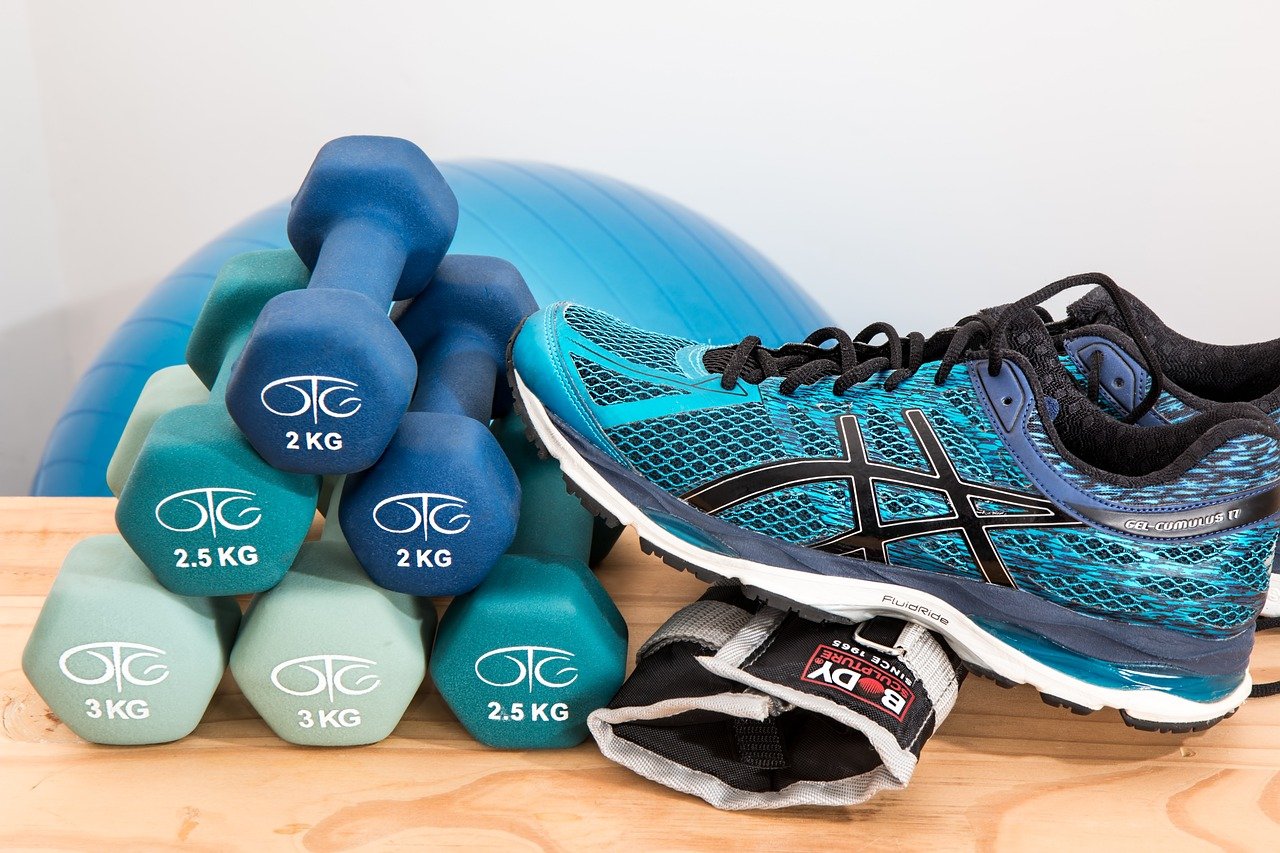
    While bodyweight exercises are highly effective, adding a few pieces of equipment can enhance your routine. Consider affordable and space-friendly tools like:

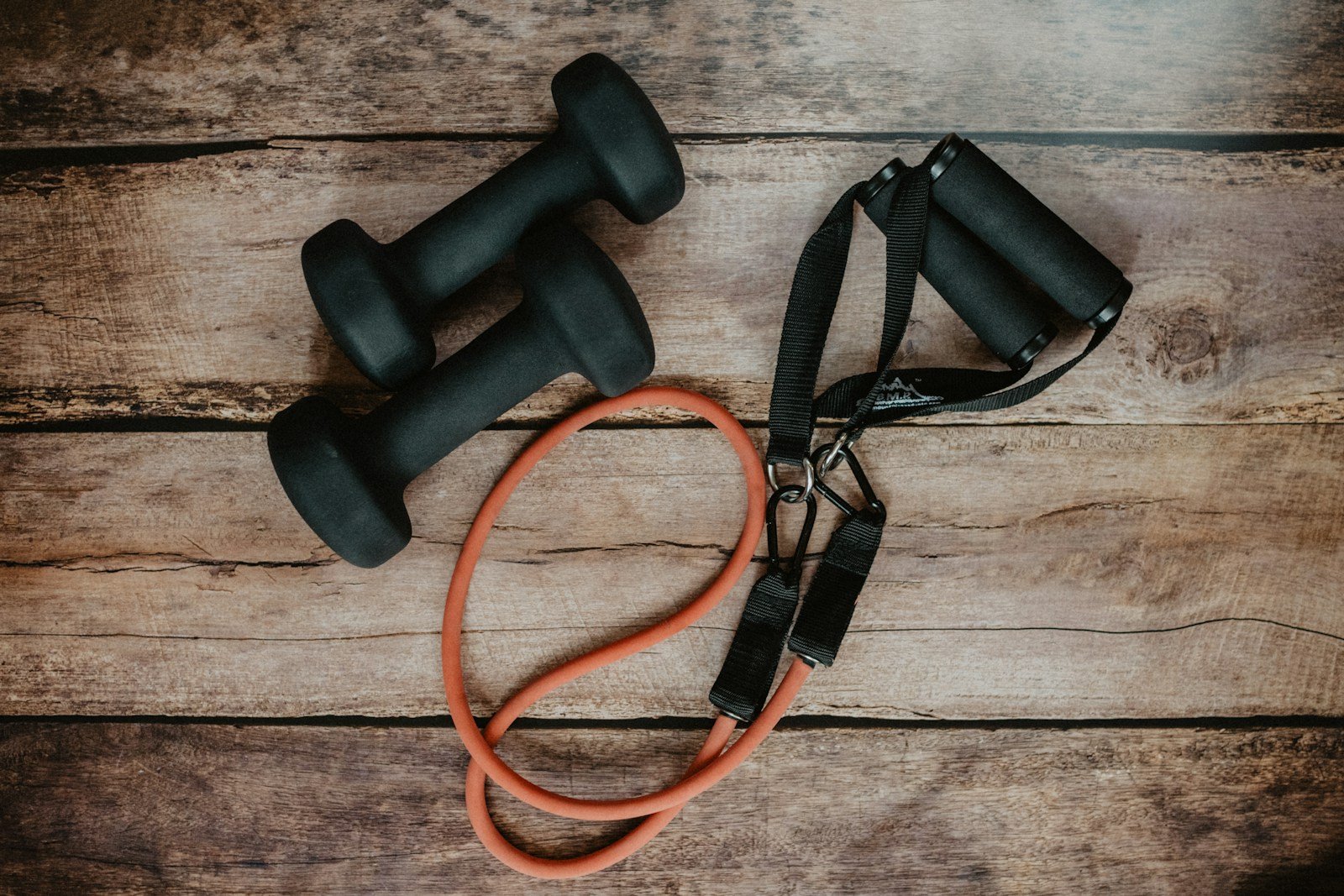
    • Resistance bands
    • Dumbbells or kettlebells
    • A yoga mat
    • A stability ball

    These items can expand your workout options and increase challenge levels as you progress.

    Step 5: Warm-Up and Cool Down

    Never skip your warm-up or cool-down. These components are critical for injury prevention and overall performance.

    Warm-Up (5–10 Minutes):

    • Light cardio (e.g., jogging in place or cycling)
    • Dynamic stretches (e.g., leg swings, arm circles)

    Cool Down (5–10 Minutes):

    • Slower movements to lower your heart rate
    • Static stretches (e.g., hamstring stretch, quad stretch)

    Step 6: Stay Consistent and Monitor Progress

    Consistency is key to seeing results. Commit to your weekly plan and track your progress. Some effective tracking methods include:

    • Logging your workouts in a journal or an app.
    • Noting increases in reps, duration, or weight used.
    • Taking monthly progress photos.

    Monitoring your improvements keeps you motivated and ensures your routine aligns with your goals.

    Tips for Success

    • Start Small: If you’re a beginner, focus on mastering basic movements before increasing intensity.
    • Listen to Your Body: Identify when to push harder and when to rest. Recovery is just as important as working out.
    • Stay Engaged: Switch up your exercises and playlists to keep workouts fun and exciting.
    • Build a Habit: Aim to work out at the same time each day to make exercise a non-negotiable routine.

    Take Control of Your Fitness Journey Today

    Home workouts offer a world of possibilities to stay active, healthy, and fit without stepping outside. All it takes is a little planning, dedication, and consistency to build a workout routine that works for you.

    Feeling inspired but unsure how to get started? customize your schedule based on the steps outlined above. Take the first step towards a healthier you—your fitness future starts today!

  • 10 Simple Exercises for Beginners to Start Their Fitness Journey

    10 Simple Exercises for Beginners to Start Their Fitness Journey

    Are you thinking about starting your fitness journey but unsure where to begin? You’re not alone. Many people hesitate to start because they feel overwhelmed by intimidating routines or an endless array of fitness advice. The good news? You don’t need a gym membership or complicated equipment to get started. All it takes is consistency, motivation, and simple exercises tailored for beginners.

    This guide will walk you through ten effective exercises that will help you build strength, endurance, and confidence. Before long, you’ll feel stronger, healthier, and ready to take your fitness to the next level!

    Why Start with Simple Exercises?

    For fitness beginners, it’s crucial to build a solid foundation. Starting slow allows your body to adapt to new movements and prevents injuries. Simple exercises focus on improving your range of motion, flexibility, balance, and strength, vital for progressing to more challenging routines later.

    Now, let’s break down the ten beginner-friendly exercises.

    1. Bodyweight Squats

    men's black leggings

    Why it works: Bodyweight squats are fantastic for building lower body strength while engaging your core.

    How to Do It:

    1. Stand with your feet hip-width apart.
    2. Keep your arms straight in front of you or clasped at your chest.
    3. Lower yourself as if you’re sitting back in a chair, keeping your chest up and knees aligned with your toes.
    4. Push through your heels to return to a standing position.

    Recommended reps: 10–15 reps for 2–3 sets.

    2. Incline Push-Ups

     Exercises

    Why it works: Incline push-ups are a beginner-friendly variation of the standard push-up, focusing on your chest, shoulders, and triceps without overwhelming your strength.

    How to Do It:

    1. Stand in front of a sturdy surface like a low table or bench.
    2. Place your hands shoulder-width apart on the surface.
    3. Step your feet back to form a straight line from head to heels.
    4. Bend your elbows to lower your chest towards the surface, then push back up.

    Recommended reps: 8–12 reps for 2 sets.

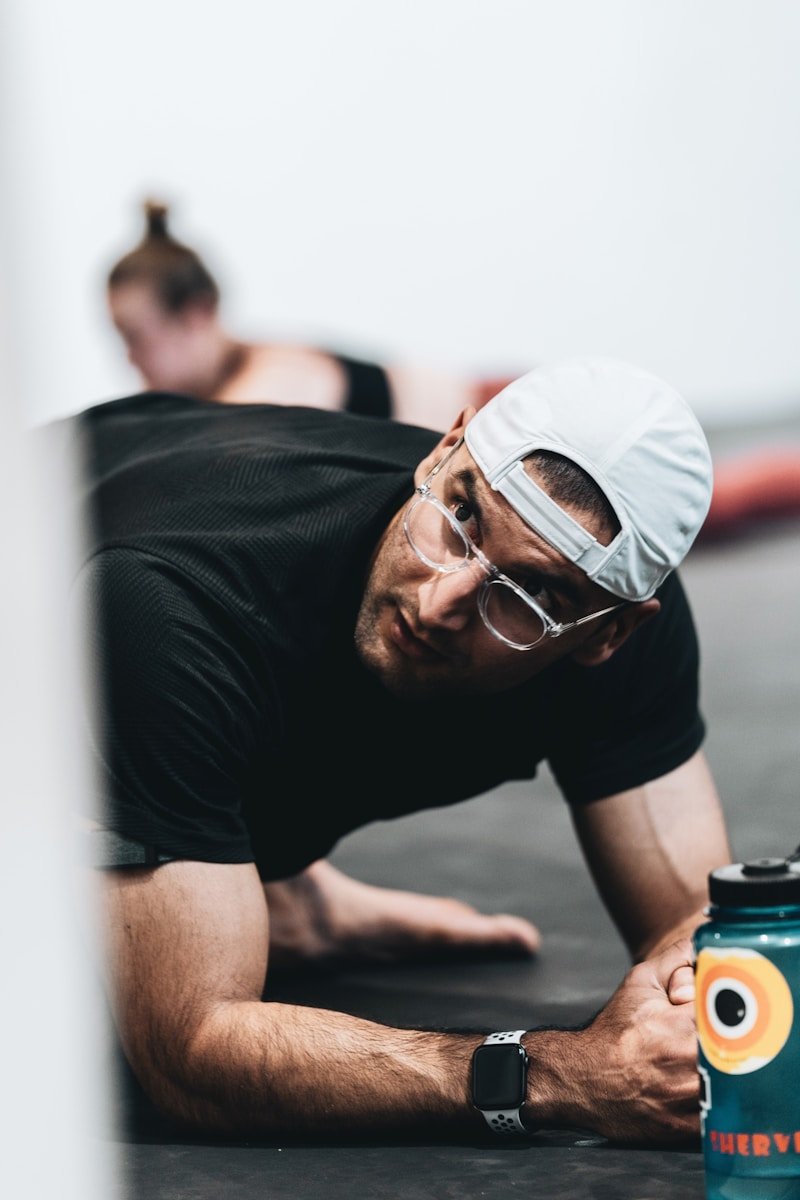
    3. Plank Hold

    man in black crew neck t-shirt wearing white cap and black framed eyeglasses

    Why it works: The ultimate core-strengthening exercise. Planks target your entire midsection, improve stability, and enhance posture.

    How to Do It:

    1. Start in a push-up position with your forearms on the ground.
    2. Keep your body straight from your head to your heels.
    3. Hold this position while tightening your core.

    Duration: Start with 15–20 seconds and increase gradually.

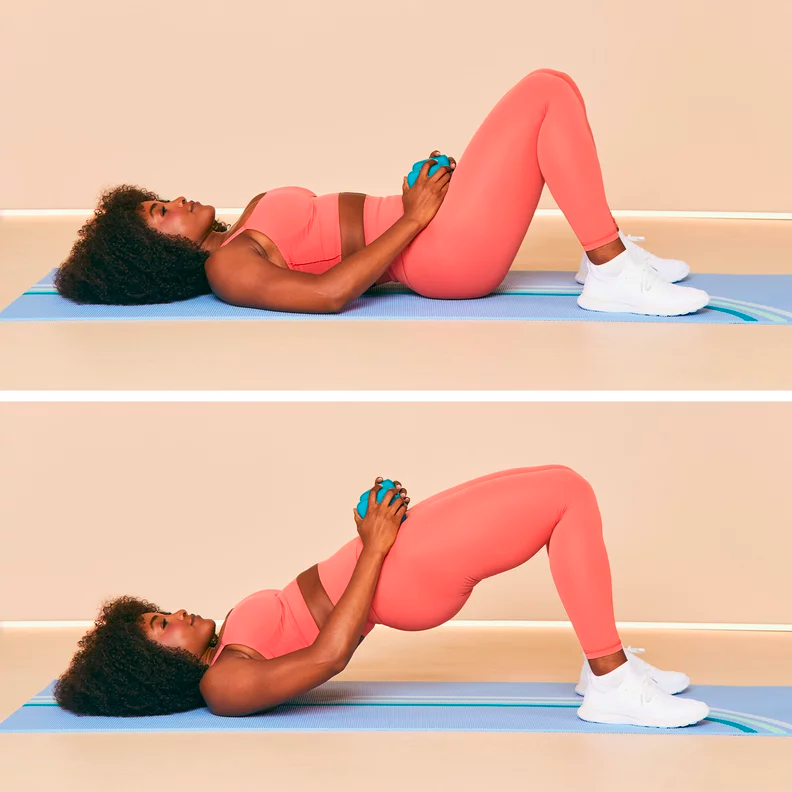
    4. Glute Bridges

    Why it works: Perfect for strengthening your glutes, lower back, and hamstrings, this exercise also reduces tightness in your hips.

    How to Do It:

    1. Lie on your back with your knees bent and feet flat on the floor.
    2. Place your hands by your sides, palms down.
    3. Squeeze your glutes and lift your hips off the ground until your body forms a straight line from shoulders to knees.
    4. Lower your hips back down.

    Recommended reps: 12–15 reps for 2–3 sets.

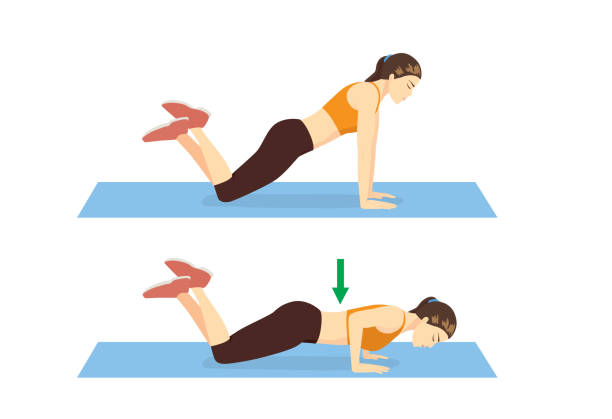
    5. Knee Push-Ups

    Why it works: Great for beginners looking to build upper body strength and perfect their push-up form gradually.

    How to Do It:

    1. Start in a plank position but rest your knees on the floor for support.
    2. Lower your body until your chest is close to the ground, then push up.

    Recommended reps: 8–10 reps for 2 sets.

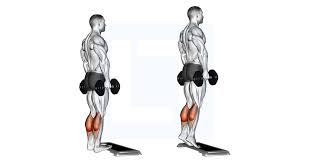
    6. Standing Calf Raises

    Why it works: Simple but effective for strengthening your calves, improving balance, and stabilizing your ankles.

    How to Do It:

    1. Stand with your feet shoulder-width apart.
    2. Slowly lift your heels off the ground until you’re on your tiptoes.
    3. Lower your heels back down.

    Recommended reps: 15–20 reps for 2–3 sets.

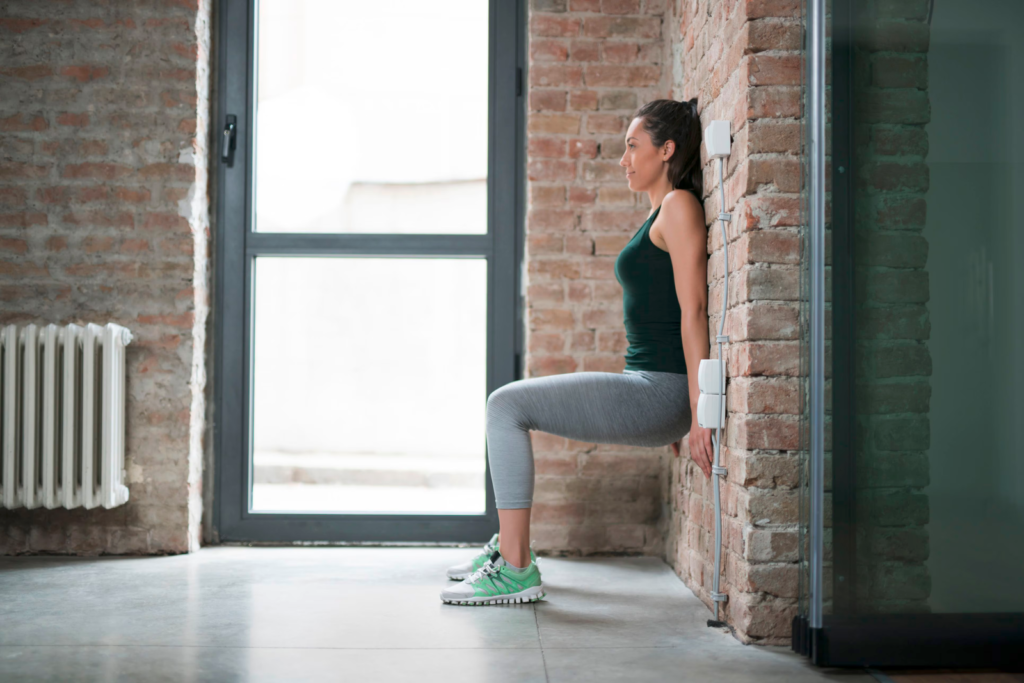
    7. Wall Sits

    Why it works: This isometric exercise is fantastic for building lower-body endurance.

    How to Do It:

    1. Stand with your back against a wall.
    2. Walk your feet a few steps forward and slide down until your knees are bent at a 90-degree angle.
    3. Hold this position as long as you can.

    Duration: Start with 20–30 seconds and increase over time.

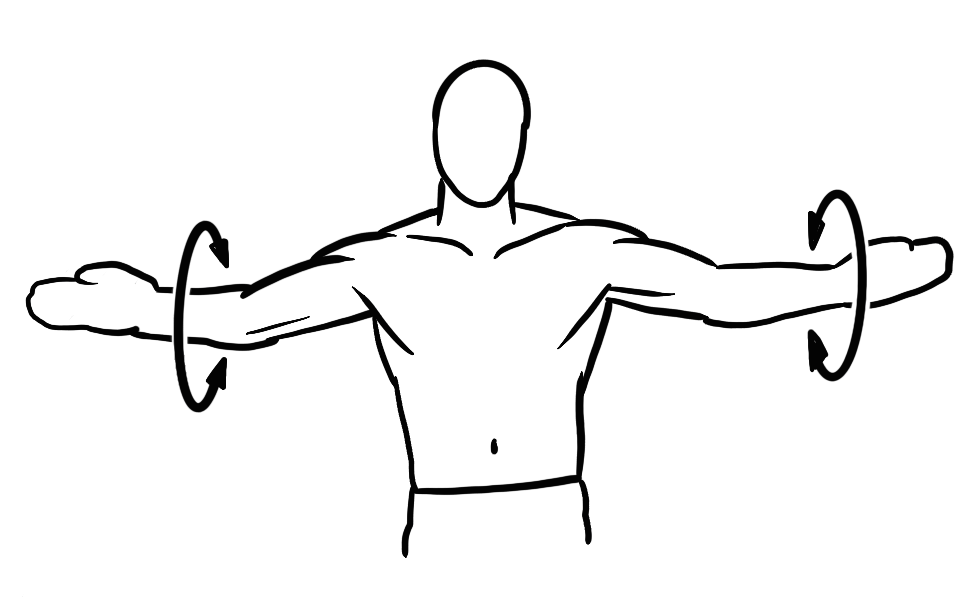
    8. Arm Circles

    Why it works: A fun, low-impact exercise that strengthens your shoulders and improves your range of motion.

    How to Do It:

    1. Stand with your feet shoulder-width apart and arms stretched out.
    2. Make small circular motions with your arms.
    3. Reverse the direction after 15–20 seconds.

    Duration: 30 seconds per direction.

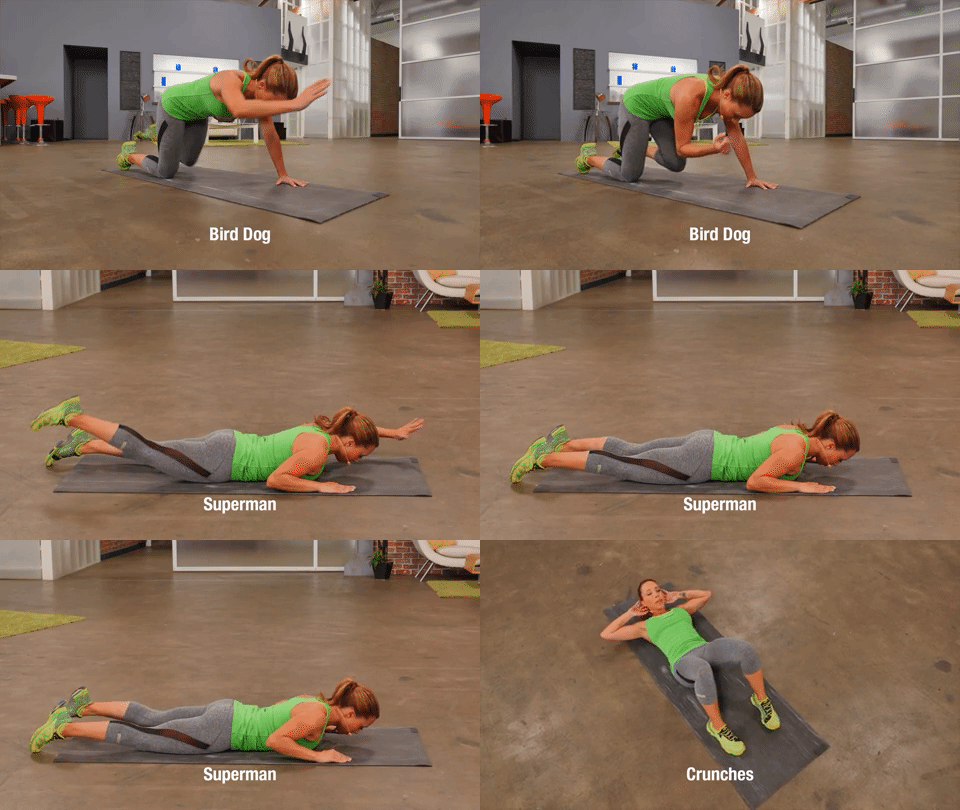
    9. Bird Dogs

    Why it works: This total-body exercise improves balance and core stability while strengthening your back and glutes.

    How to Do It:

    1. Start on all fours with your hands aligned under your shoulders and knees under your hips.
    2. Extend your right arm forward and your left leg back.
    3. Hold for a few seconds, then switch sides.

    Recommended reps: 8–10 reps per side.

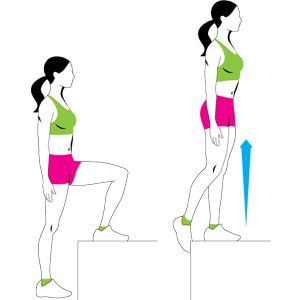
    10. Step-Ups

    Why it works: A dynamic lower-body workout that improves strength and coordination.

    How to Do It:

    1. Stand in front of a sturdy step or platform.
    2. Step onto the platform with your right foot, then bring your left foot up.
    3. Step back down and repeat.

    Recommended reps: 10–12 reps per leg for 2 sets.

    Tips to Stay Consistent

    Starting something new can be challenging, but these tips will help you stay on track:

    • Start Small: Commit to just 10–15 minutes of exercise daily.
    • Set Goals: Write down your objectives—whether it’s to lose weight, gain strength, or simply feel better.
    • Track Progress: Keep a journal of your exercises to celebrate progress.
    • Stay Hydrated: Don’t forget to drink water before and after exercising.
    • Have Fun: Find ways to make your workouts enjoyable, like adding music.

    Build Momentum Today with These Starter Exercises

    Congratulations! By reading this guide, you’ve taken a significant first step in your fitness journey. With these simple exercises, you can build a strong foundation to achieve your health and fitness goals.

    If you’re ready to take things further, consider joining a local fitness group or consulting a personal trainer for more advanced routines. Remember, progress comes with consistency and determination—so keep moving!

  • How to Set Realistic Fitness Goals and Stick to Them

    How to Set Realistic Fitness Goals and Stick to Them

    Achieving fitness goals isn’t just about dreaming big—it’s about setting realistic, actionable objectives and committing to the process. Whether you’re looking to lose weight, build muscle, or simply improve your overall well-being, a solid plan can make the difference between abandoning your goals and celebrating real progress.

    This guide will walk you through the art of setting realistic fitness goals and, more importantly, strategies to stick with them long-term. By the end of this post, you’ll have the tools and motivation to turn your fitness ambitions into lasting achievements.

    Why Setting Realistic Fitness Goals Matters

    Many individuals set fitness goals with the best intentions but overestimate what they can achieve in a short period. Unrealistic goals can lead to discouragement, burnout, or even injury.

    Setting achievable fitness goals is crucial because it ensures progress while keeping you motivated. By laying a foundation of smaller, measurable goals, you can build your way to greater success without feeling overwhelmed.

    For example, instead of saying, “I need to lose 50 pounds in 3 months,” a more realistic goal would be, “I aim to lose 4-8 pounds per month for the next six months by exercising regularly and focusing on healthier eating.”

    The Benefits of Realistic Goal-Setting

    1. Motivation: Achieving small victories keeps you motivated to tackle the next step.
    2. Sustainability: Gradual progress helps form long-lasting habits.
    3. Safety: Realistic goals minimize the risk of injury or overtraining.
    4. Confidence Building: Success in achieving reasonable goals boosts your confidence for future challenges.

    How to Set Realistic Fitness Goals

    Fitness

    The process of setting fitness goals doesn’t have to be complex. By following these six steps, you can design a plan tailored to your unique needs and achieve the success you desire.

    1. Start with SMART Goals

    A proven method for setting effective fitness goals is using the SMART framework. SMART stands for Specific, Measurable, Achievable, Relevant, and Time-bound.

    • Specific: Define clear and specific goals. For instance, instead of saying, “I want to get fit,” say, “I want to jog for 30 minutes, three times a week.”
    • Measurable: Choose goals that you can quantify. For example, aim to lose 10 pounds or lift a specific weight.
    • Achievable: Ensure your goal is realistic based on your current lifestyle and fitness level.
    • Relevant: Align your goal with what matters to you. If you value strength training, focus on performance-based goals like improving your deadlift form or weight.
    • Time-bound: Set a timeframe for achieving your goal, e.g., “I will complete this within six weeks.”

    2. Assess Your Starting Point

    Before crafting any plan, take a moment to evaluate where you stand. Understanding your baseline fitness level will help you create goals suited to your needs.

    • Consider scheduling a fitness assessment or tracking your stats, including weight, body fat percentage, or endurance capacity.
    • Reflect on your current activity habits. How often do you work out, and what type of exercises do you enjoy?
    • Think about any physical or medical limitations that need to be considered while planning.

    3. Break Goals into Manageable Milestones

    Think of your larger fitness goals as a staircase. Instead of leaping to the top, focus on climbing one step at a time.

    For example, if your long-term goal is to run a marathon, smaller milestones could include working on running a 5K, then a 10K, followed by a half marathon. Each stage builds confidence and prepares you for the final challenge.

    4. Align Goals with Your Lifestyle

    Fitness doesn’t exist in a vacuum. To succeed, your goals must complement your schedule, preferences, and personal commitments.

    For example:

    • If mornings work best for you, schedule workouts before heading to work.
    • Choose activities that you genuinely enjoy—whether it’s yoga, cycling, or swimming.
    • Factor in rest days or recovery weeks to maintain balance.

    5. Monitor Progress Consistently

    Tracking your progress not only helps you stay focused but also allows you to celebrate your wins along the way. Use tools like fitness apps, journals, or wearable trackers to log your workouts and accomplishments.

    Pay attention to both quantitative metrics (e.g., weight lifted, miles run) and qualitative feedback (e.g., energy levels, reduced stress).

    6. Stay Flexible and Adapt as Needed

    Sometimes, life gets in the way of even the best-laid plans. Instead of getting discouraged, be adaptable. If you fall off track due to illness, family responsibilities, or a sudden schedule change, reassess your goals and timeline.

    Remember, consistency is more important than perfection. Every step forward counts, no matter how small.

    Strategies to Stick to Your Fitness Goals

    Stay Accountable

    Accountability can make all the difference when pursuing fitness goals. You might consider options such as:

    • Partnering with a workout buddy.
    • Sharing your progress on social media.
    • Working one-on-one with a personal trainer or fitness coach.

    Celebrate Wins—No Matter How Small

    Each milestone you achieve is worth celebrating! Treat yourself to something uplifting, like new workout gear, a relaxing massage, or a delicious (and healthy) meal.

    Focus on Consistency Over Perfection

    It’s okay to miss a workout or have a less-than-nutritious meal on occasion. Long-term success comes from building habits, and not being perfect every single day.

    Stay Inspired

    Keep your motivation alive by remembering why you started. Set reminders for your goals, visualize the results you want or join a community of like-minded individuals who can keep you motivated.

    Pave Your Path to Success

    Setting realistic fitness goals isn’t about limiting your dreams—it’s about paving the way to achieve them. By breaking your objectives into manageable steps, staying patient, and building consistency, you’ll be well on your way to a healthier, happier you.

    If you’re ready to take that first step, start today by setting your SMART fitness goal. Need help staying accountable? Connect with local fitness classes or communities that align with your mission.

  • Debunking Top 6 Myths About Protein and Muscle Building

    Debunking Top 6 Myths About Protein and Muscle Building

    Protein and muscle building are two of the hottest topics in fitness and nutrition. Whether you’re a seasoned athlete or just starting your fitness journey, you’ve probably heard a lot of conflicting information about how protein factors into building muscle. From needing to eat endless amounts of chicken breast to the idea that vegan diets are inadequate for muscle gain, myths are everywhere.

    This blog will debunk some common misconceptions about protein and muscle building. By the end, you’ll have the facts to make informed decisions about your diet and training.

    Myth 1: You Need Huge Amounts of Protein to Build Muscle

    The Myth

    “Eat all the protein you can if you want to build muscle.” Sounds familiar, right? Many believe that the more protein you consume, the faster your muscles will grow.

    The Truth

    While protein is essential for muscle repair and growth, more doesn’t always mean better. Your body has a limit to how much protein it can use for muscle building at one time. According to research, the sweet spot for protein intake is around 1.6 to 2.2 grams of protein per kilogram of body weight per day for active individuals.

    Consuming more protein than this likely won’t lead to extra gains—it simply gets used as energy or stored as fat. Spacing your protein intake throughout the day, rather than loading up in one sitting, is a more effective strategy for optimal muscle synthesis.

    Takeaway

    Focus on quality and timing rather than sheer quantity. A well-balanced approach to protein consumption is far more beneficial.

    Myth 2: Animal Protein is Superior to Plant-Based Protein

    The Myth

    “You can’t build muscle on a plant-based diet because plant proteins are incomplete.”

    The Truth

    While it’s true that many plant-based proteins lack one or more essential amino acids, this doesn’t mean they’re ineffective for muscle building. The key is protein variety. Combining different plant proteins, such as lentils with rice or beans with whole wheat bread, provides all the essential amino acids your body requires.

    Research has shown that plant-based athletes can build and maintain muscle mass just as effectively as those consuming animal-based diets, provided they meet their total protein requirements. Popular options like tofu, quinoa, pea protein, and tempeh make it easier than ever for plant-based eaters to meet their goals.

    Takeaway

    Plant-based or not, you can still hit your protein goals for muscle growth. Variety is the secret sauce.

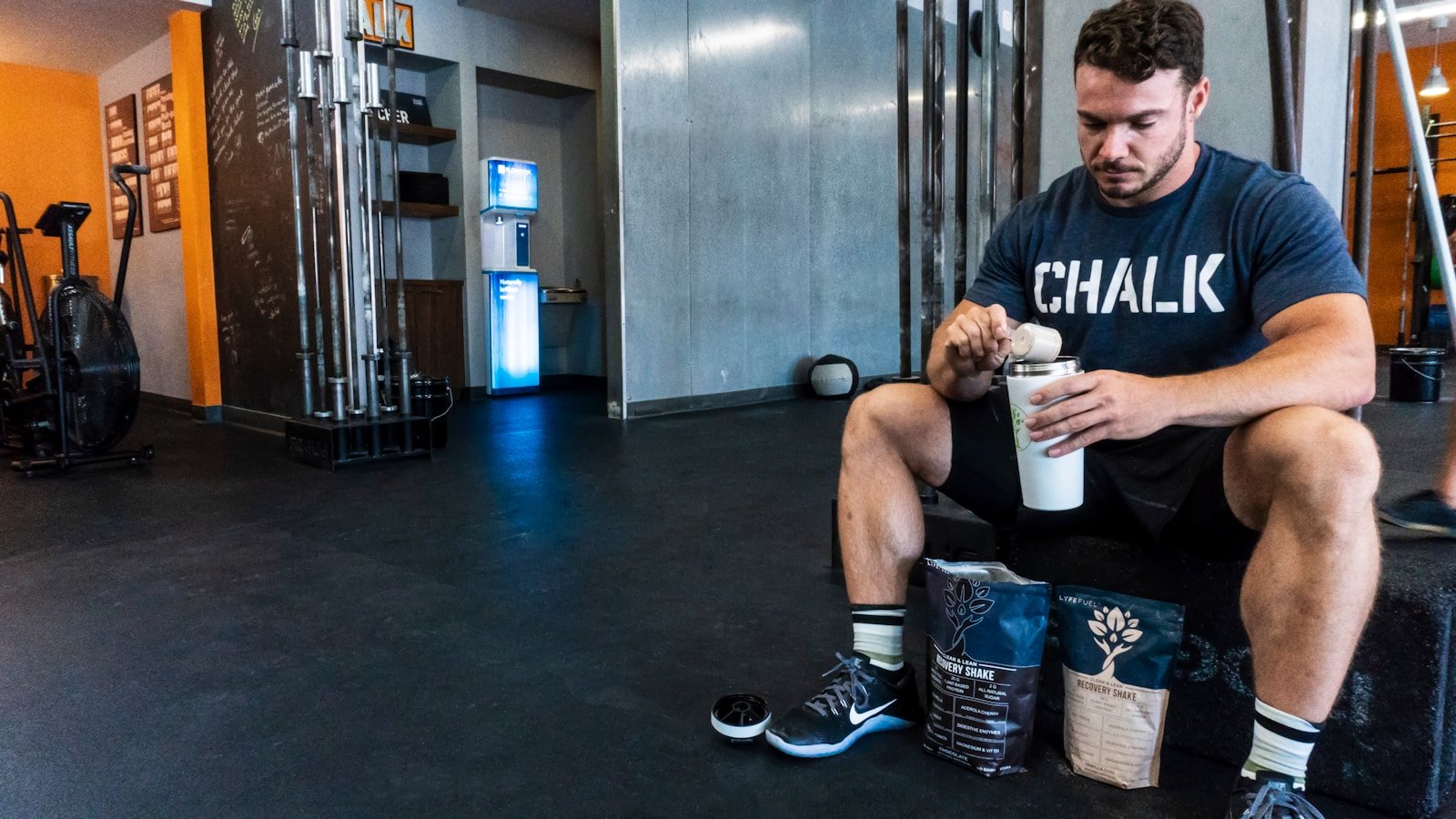
    Myth 3: Protein Shakes Are a Must Post-Workout

    man in black crew neck t-shirt holding white plastic cup

    The Myth

    “If you don’t have a post-gym protein shake within 30 minutes, your workout is wasted!”

    The Truth

    This myth has perpetuated the idea of an “anabolic window”, a short period post-workout where protein intake is supposedly crucial for muscle recovery. While it’s beneficial to consume protein after exercising, the window is not nearly as small as previously suggested.

    What really matters is your total protein intake across the entire day. If you’re hitting your daily protein target, the timing of your protein shake is less critical. However, having protein post-workout is convenient and helps kickstart recovery, so it’s still a good habit to consider—but it’s not mandatory.

    Takeaway

    Don’t stress over timing. Hitting your daily protein target is far more important than downing that shake right away.

    Myth 4: More Protein Equals More Strength

    Building

    The Myth

    “Eat more protein and you’ll instantly lift heavier.”

    The Truth

    Increasing protein intake alone won’t magically make you stronger. Muscle strength is primarily a result of consistent progressive overload—increasing the resistance, weight, or intensity of your workouts over time.

    While protein supports repair and growth, strength gains are driven by challenging your muscles during training. Too much focus on protein without prioritizing a quality workout plan will leave you disappointed. Sure, protein is a piece of the puzzle, but it’s not the entire picture.

    Takeaway

    Pair your protein intake with consistent, strategic training for optimal strength and muscle growth.

    Myth 5: Everyone Needs the Same Amount of Protein

    The Myth

    “Everyone needs to eat the same high-protein diet for results.”

    The Truth

    Protein requirements vary based on factors like body weight, activity level, training goals, and age. While a sedentary person needs around 0.8 grams of protein per kilogram of body weight, someone looking to build muscle will require significantly more—closer to that 1.6-2.2 grams per kilogram sweet spot.

    Additionally, older adults benefit from higher protein intakes to combat muscle loss (sarcopenia). Athletes involved in endurance sports might need more carbohydrates than protein for recovery, while strength athletes prioritize protein for muscle repair.

    Takeaway

    Protein needs are personal. Tailor your intake based on your lifestyle and goals.

    Myth 6: High Protein Diets Harm Your Kidneys

    The Myth

    “Too much protein damages your kidneys.”

    The Truth

    This claim is only true for individuals with pre-existing kidney conditions. For healthy people, consuming a high-protein diet has no adverse effects on kidney function.

    Numerous studies have found no evidence of harm in otherwise healthy adults consuming protein-rich diets. However, like all things, balance is key—excessive protein intake often leaves less room for other important nutrients in your diet, like carbohydrates, fats, and vitamins.

    Takeaway

    If you have healthy kidneys, a high-protein diet is safe. Just ensure your overall nutrition remains well-rounded.

    Bonus Tips for Optimizing Protein for Muscle Gain

    1. Space Out Protein Across Meals

    Aim to consume 20-40 grams of protein every 3-4 hours to support muscle protein synthesis throughout the day.

    1. Include a Variety of Protein Sources

    Rotate between animal-based proteins like chicken or fish, and plant-based ones like lentils or tofu, to benefit from a diverse amino acid profile and overall nutrition.

    1. Don’t Forget Carbs and Fats

    Carbohydrates provide the energy you need for effective workouts, while fats support hormone production—both crucial for muscle growth.

    Building Muscle the Smart Way

    The world of protein and muscle building is full of misconceptions, but the truth is much simpler than it seems. You don’t need extreme amounts of protein, only animal products, or a post-workout shake to see results. By focusing on quality training, variety in your diet, and meeting your personal protein needs, you can maximize your muscle-building potential.

    Whether you’re just starting your fitness journey or refining your routine, understanding the real role of protein will set you up for success.

  • The Ultimate Low Calorie High Protein Foods to Fuel Your Health Goals

    The Ultimate Low Calorie High Protein Foods to Fuel Your Health Goals

    When it comes to maintaining a healthy lifestyle or achieving your fitness goals, incorporating low calorie high protein foods into your diet can be a game-changer. These foods not only help you feel fuller for longer but also provide the essential nutrients your body needs to build and repair muscle, support weight loss, and sustain energy levels throughout the day. With the right choices, you can enjoy delicious meals that fuel your body without the extra calories, making it easier to stay on track with your health goals.

    Eating healthy doesn’t have to be tedious, complicated, or unsatisfying—it just takes a bit of planning and knowledge. Whether you’re trying to lose weight, build muscle, or maintain a balanced diet, low-calorie, high-protein foods are indispensable. These powerhouse ingredients can help you stay full, meet your nutritional needs, and achieve your health goals.

    This guide dives into how these nutrient-dense foods can transform your diet, discussing their benefits and providing actionable tips for incorporating them into your daily life. Let’s start redefining how you eat to live your healthiest, fittest life!

    Why Are Low-Calorie, High-Protein Foods Important?

    Protein serves as the building block for our muscles, tissues, and enzymes, while low-calorie foods help manage your overall energy intake, aiding weight loss and supporting metabolic health. When combined, low-calorie, high-protein foods offer a double benefit: they help you stay full longer and cut back on excess calories—all without losing essential nutrients.

    Key Benefits:

    • Helps Build Lean Muscle: Protein intake fuels muscle recovery and development after workouts.
    • Aids in Weight Loss: These foods are highly satiating, which means fewer hunger cravings.
    • Boosts Metabolism: Protein requires more energy for digestion, subtly increasing calorie burn.

    By focusing on these foods, you can craft a diet that is both satisfying and weight-management-friendly.

    Best Low-Calorie, High-Protein Foods

    Here are the top categories of low-calorie, high-protein foods to consider adding to your diet.

    1. Lean Meats

    Lean meats like chicken breast, turkey, and lean beef are some of the most popular sources of high-quality protein. Packed with essential nutrients and low in calories, they’re a staple in fitness diets.

    • Chicken Breast (3 oz): 165 calories, 31g protein
    • Turkey Breast (3 oz): 135 calories, 26g protein
    • Lean Ground Beef (90% lean) (3 oz): 200 calories, 22g protein

    Why It’s Beneficial

    Lean meats are rich in iron and B-vitamins, supporting energy metabolism and red blood cell production.

    How to Enjoy

    Protein Foods
    • Grill chicken breast with lemon and herbs.
    • Add turkey to a vegetable stir-fry.

    2. Seafood

    Fish and shellfish are excellent protein-rich options with added omega-3 fatty acids for heart health.

    • Cod (3 oz): 70 calories, 15g protein
    • Shrimp (3 oz): 85 calories, 20g protein
    • Salmon (3 oz): 180 calories, 17g protein

    Why It’s Beneficial

    Seafood aids in brain function, heart health, and providing good fats that balance calorie intake.

    How to Enjoy

    • Bake salmon with cracked pepper for a simple dinner.
    • Toss grilled shrimp with a quinoa salad for lunch.

    3. Legumes and Pulses

    For plant-based eaters, legumes like lentils, chickpeas, and black beans offer substantial protein with fewer calories.

    • Lentils (1 cup, cooked): 230 calories, 18g protein
    • Black Beans (1 cup, cooked): 227 calories, 15g protein
    • Chickpeas (1 cup, cooked): 270 calories, 15g protein

    Why It’s Beneficial

    These are high in fiber, improving digestion and keeping you full longer.

    How to Enjoy

    • Prepare lentil soup for a hearty meal.
    • Roast chickpeas for a crunchy snack.

    4. Dairy and Eggs

    Low-fat dairy and eggs are nutrient powerhouses combining high protein content with essential vitamins.

    • Greek Yogurt (1 cup, non-fat): 100 calories, 20g protein
    • Egg Whites (1 large): 17 calories, 3.6g protein
    • Cottage Cheese (1/2 cup, low-fat): 90 calories, 12g protein

    Why It’s Beneficial

    These options are calcium-rich and versatile for multiple meals.

    How to Enjoy

    • Add Greek yogurt to smoothies.
    • Mix scrambled egg whites with vegetables for breakfast.

    5. Vegetables

    close-up photo of vegetable salad

    Some vegetables, such as broccoli and spinach, also deliver a surprising protein punch.

    • Spinach (1 cup, cooked): 41 calories, 5g protein
    • Broccoli (1 cup, cooked): 55 calories, 4g protein

    Why It’s Beneficial

    These veggies provide high fiber, antioxidants, and essential micronutrients critical for health.

    How to Enjoy

    • Roast broccoli for a delicious side dish.
    • Blend spinach into a green smoothie.

    Tips for Adding These Foods to Your Diet

    Now you know what to eat, but how can you seamlessly incorporate these foods into your routine?

    Meal Ideas For Every Day

    Breakfast

    • Scrambled egg whites with spinach and whole-grain toast
    • Greek yogurt with fresh berries and crushed nuts

    Lunch

    • Grilled chicken breast salad with leafy greens, tomatoes, and olive oil dressing
    • Lentil and vegetable soup with whole-grain crackers

    Dinner

    • Herb-crusted salmon with a side of roasted broccoli
    • Turkey stir-fry with bell peppers and quinoa

    Smart Shopping and Preparation Tips

    1. Plan Ahead: Make a list focused on lean meats, seafood, legumes, and nutrient-packed vegetables.
    2. Batch Cooking: Grill or bake proteins early in the week so they’re ready for quick meals.
    3. Storage Tips: Use freezer-friendly containers to store pre-cooked options like chicken and shrimp.

    FAQs About Low Calorie High Protein Foods

    What food has the highest protein and lowest calories?

    Chicken breast is one of the best low-calorie, high-protein options with 31g of protein per 165 calories (3 oz serving).

    How to get 150g of protein a day?

    Divide your intake across multiple meals. For example, combine chicken breast, Greek yogurt, lentils, and egg whites for a balanced day.

    What meals are low in calories but high in protein?

    Think egg white omelets for breakfast, turkey salad for lunch, and grilled salmon for dinner.

    How can I get high protein without calories?

    Focus on lean, water-dense foods like cod, shrimp, or egg whites, which provide more protein per calorie.

    Nourish Your Goals with Low-Calorie, High-Protein Foods

    Integrating low-calorie, high-protein foods into your diet is one of the simplest ways to meet your health and fitness goals. These power-packed options satisfy hunger, nourish your body, and make every calorie count.

    If you’re ready to start your healthy eating journey, check out Healthy Recipe Collection or explore The Ultimate Guide to Weight Loss. Don’t forget to share your favorite low-cal, high-protein meal ideas in the comments below!

  • The Ultimate 30-Minute Full-Body Workout for Busy People

    The Ultimate 30-Minute Full-Body Workout for Busy People

    Finding time to work out can feel impossible, especially when your schedule is already packed. But here’s some good news—you don’t need hours in the gym to stay fit. With a focused 30-minute workout, you can target all major muscle groups, burn calories, and improve your overall strength and endurance.

    This step-by-step guide will walk you through a powerful full-body workout that’s perfect for busy people. Designed for all fitness levels, it balances efficiency with effectiveness so you can make the most of every minute.

    What Makes a 30-Minute Full-Body Workout Effective?

    You might wonder if 30 minutes is truly enough to achieve meaningful results. The answer is yes! When structured properly, even a short workout can deliver impressive benefits.

    Here are the key components of an effective 30-minute routine:

    • High-Intensity Training (HIT): Incorporates short bursts of intense movement to maximize calorie burn.
    • Compound Movements: Targets multiple muscle groups simultaneously, saving time while building strength.
    • Minimal Rest: Keeps your heart rate elevated, boosting cardiovascular health and endurance.
    • Adaptability: Exercises can be scaled up or down depending on your fitness level.

    Now that we’ve covered the basics, here’s how to put it all into action.

    Your 30-Minute Full-Body Workout Plan

    Equipment You’ll Need

    For this workout, you can stick to bodyweight exercises or use light equipment, such as dumbbells or resistance bands, for added intensity. You’ll also need a timer to keep track of intervals.

    Structure

    • Warm-Up (5 minutes)
    • Main Routine (20 minutes): 5 circuits targeting major muscle groups with minimal rest.
    • Cool-Down (5 minutes)

    We’ve broken each section into easy-to-follow steps below.

    1. Warm-Up (5 Minutes)

    Workout

    Warming up prepares your body for exercise by improving blood flow and loosening your muscles. Here’s a quick routine:

    • Jumping Jacks (1 minute)

    Get your heart rate up and warm up the entire body.

    • Dynamic Lunges (1 minute)

    Step forward with one leg, lunge, and then switch. Loosens hip flexors and quads.

    • Arm Circles (30 seconds forward, 30 seconds backward)

    Prepares shoulders for upper-body exercises.

    • High Knees (2 minutes):

    Jog in place, bringing your knees toward your chest.

    2. Full-Body Circuit Routine (20 Minutes)

    This circuit includes five exercises. Perform each move for 40 seconds, followed by 20 seconds of rest. Repeat the full circuit for 4 rounds.

    1. Bodyweight Squats (Lower Body)

    Why it works: Engages your quads, hamstrings, and glutes, while improving balance.

    How to do it:

    1. Stand with your feet shoulder-width apart.
    2. Lower your hips until your thighs are parallel to the floor.
    3. Push back to the starting position.

    Modification: Add dumbbells for more challenge or use a chair if you’re a beginner.

    2. Push-Ups (Upper Body)

    Why it works: Builds strength in your chest, shoulders, and triceps.

    How to do it:

    1. Start in a plank position with your hands under your shoulders.
    2. Lower your chest toward the floor while keeping your back straight.
    3. Push back to the start.

    Modification: Drop to your knees or elevate your hands on a sturdy surface.

    3. Mountain Climbers (Core & Cardio)

    Why it works: Targets abs while keeping heart rate elevated.

    How to do it:

    1. Start in a plank position.
    2. Drive one knee toward your chest, then quickly switch legs.
    3. Continue alternating as fast as you can.

    Modification: Slow down the pace to focus more on form and core engagement.

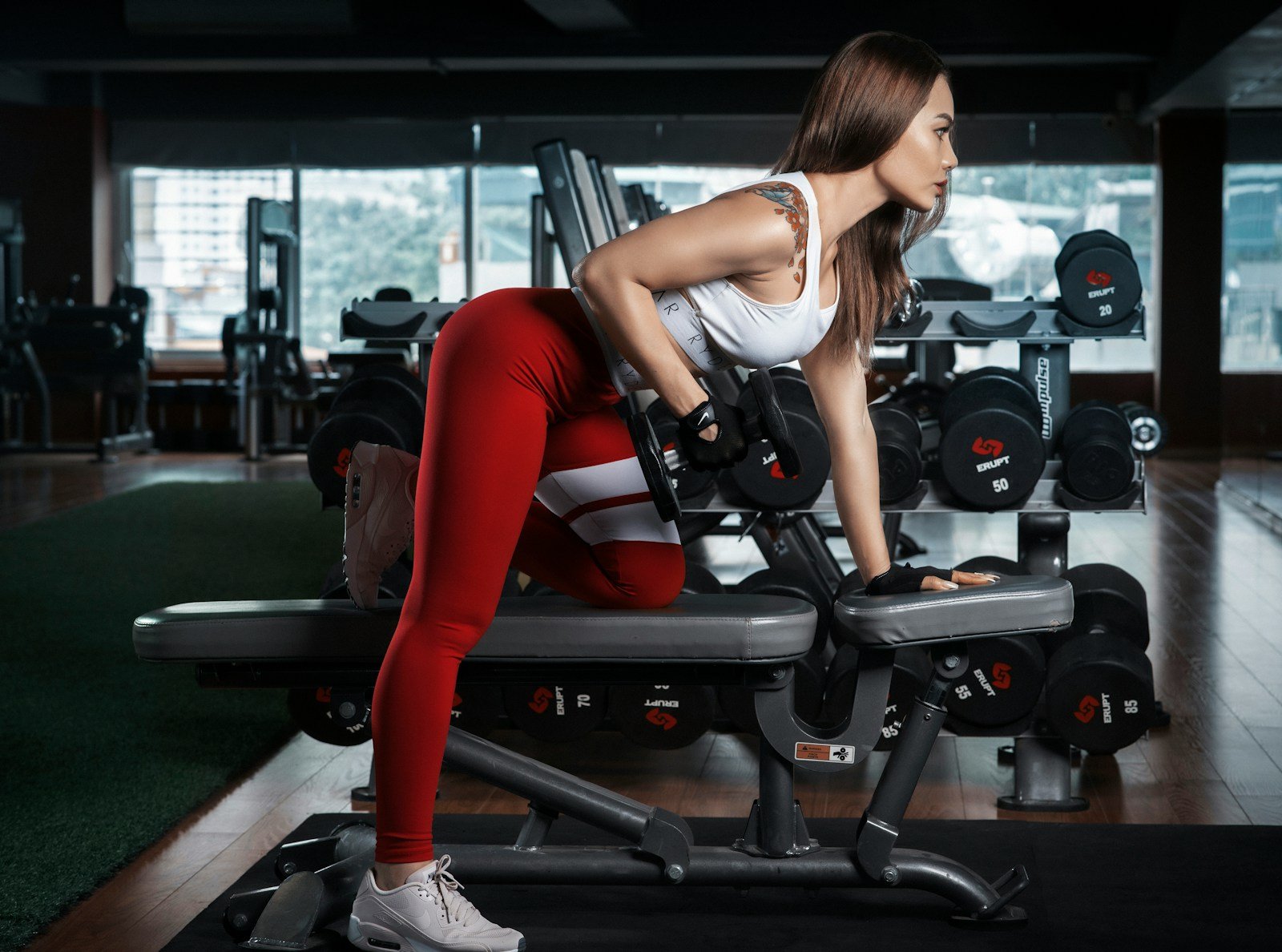
    4. Dumbbell Rows (Back & Upper Body)

    Why it works: Strengthens your upper back and improves posture.

    How to do it:

    1. Hold a dumbbell in each hand.
    2. Bend forward slightly at the hips, keeping your back flat.
    3. Pull the weights toward your chest, squeezing your shoulder blades together.

    Modification: Replace dumbbells with resistance bands or perform rows without equipment.

    5. Plank to Shoulder Tap (Full Body)

    Why it works: Improves core stability and strengthens shoulders.

    How to do it:

    1. Get into a plank position with your hands under your shoulders.
    2. Tap your left shoulder with your right hand, then switch.
    3. Keep your hips steady throughout.

    Modification: Drop to your knees for greater stability.

    3. Cool-Down (5 Minutes)

    Cooling down is just as important as the workout itself. It helps lower your heart rate and prevent soreness.

    • Overhead Stretch (1 minute):

    Extend your arms overhead and reach for the ceiling.

    • Hamstring Stretch (1 minute per leg):

    Sit on the floor, extend one leg out, and reach toward your toes.

    • Child’s Pose (1 minute):

    Kneel, lower your chest toward the floor, and extend your arms forward.

    • Cat-Cow Stretch (1 minute):

    Alternate between arching and rounding your back on all fours.

    Tips for Success

    • Set a Consistent Schedule

    Consistency is key. Pick 3-4 days per week to follow this workout.

    • Stay Hydrated

    Always drink water before, during, and after exercising.

    • Track Progress

    Measure improvements in strength and endurance over time to stay motivated.

    • Listen to Your Body

    If a move feels too challenging or painful, modify it or take a longer break.

    Make the Most of Your Busy Schedule

    Even the busiest lifestyle can accommodate a 30-minute workout with the right strategy. Start with this guide, stay dedicated, and watch how small investments in fitness lead to big results.

    Want more personalized tips and workout inspiration? Subscribe to our newsletter for weekly fitness content tailored to your goals.