Fueling your body effectively before and after a workout is crucial for achieving your fitness goals, whether you’re aiming to build muscle, improve endurance, or lose weight. But what should you eat to maximize your results? This guide will break down the best pre- and post-workout meals, explaining how they work to fuel your body and support recovery.
Why Nutrition Matters for Workouts
What you eat before and after exercise isn’t just about satisfying hunger—it impacts your energy levels, performance, and recovery. Eating the right foods can help you:
- Boost Energy: A good pre-workout meal provides the fuel you need to power through your workout.
- Enhance Performance: The right nutrients can optimize your strength, endurance, and focus.
- Support Recovery: Post-workout meals replenish energy stores and repair muscles, helping you recover faster and reduce soreness.
Now, let’s break down pre- and post-workout nutrition step by step.
The Best Pre-Workout Meals
A pre-workout meal should provide energy-boosting carbohydrates, complemented by some protein to support muscle performance. Here’s a simple breakdown.
Timing Your Pre-Workout Meal
- Large meals should be eaten 3–4 hours before exercise.
- Small meals or snacks should be consumed 30 minutes to 2 hours beforehand.
This ensures you have enough time to digest and don’t feel sluggish while working out.
Nutrient Breakdown
- Carbohydrates – Carbs are your body’s primary source of energy. They give you the fuel to perform at your best.
- Protein – Consuming protein before exercise minimizes muscle breakdown and prepares your muscles for the stress of working out.
- Fats (minimal) – While fats are important in general nutrition, eating a high-fat meal immediately before exercise may slow digestion and cause discomfort.
Examples of Top Pre-Workout Meals
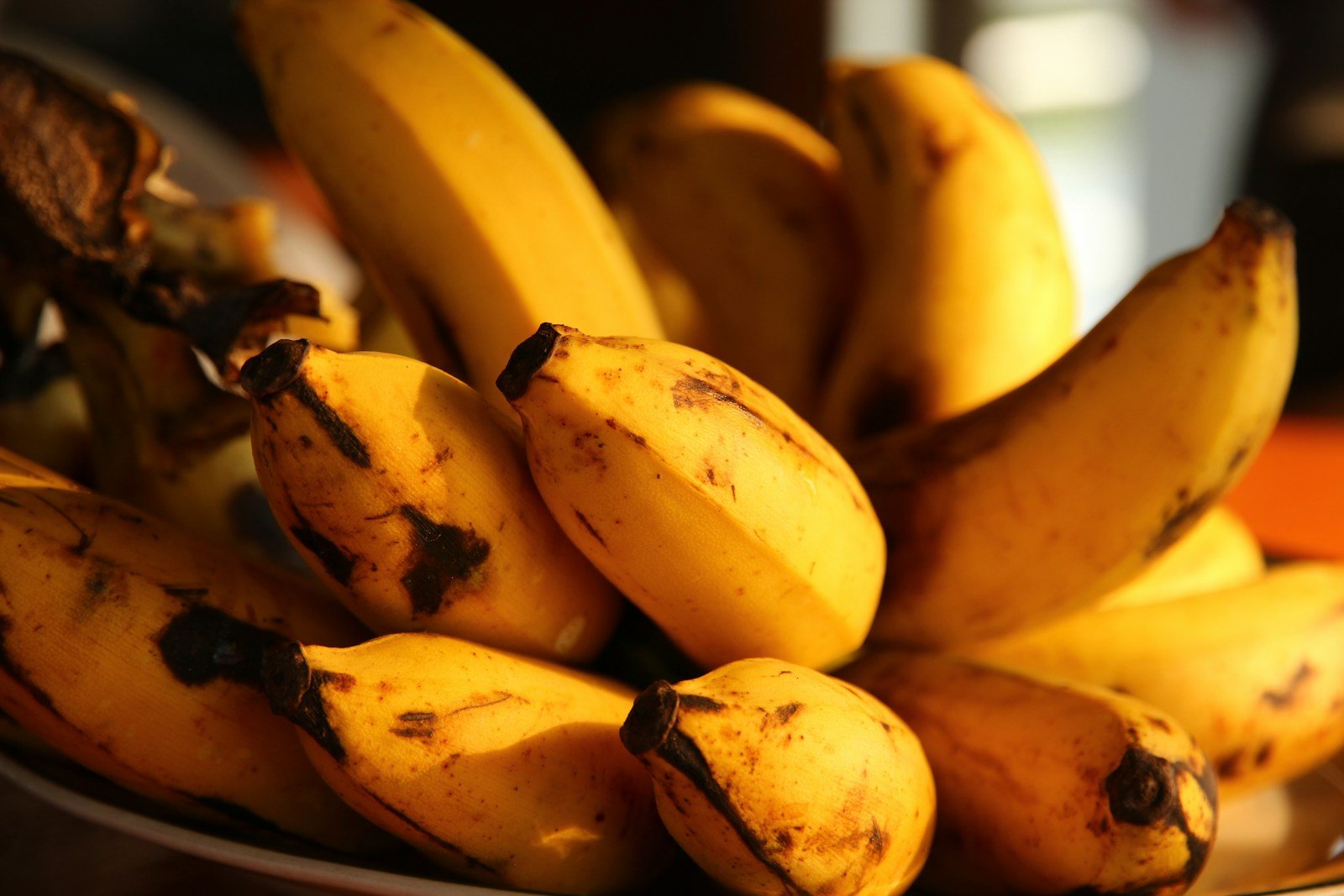
- Banana with Peanut Butter
A quick and simple combo that delivers fast-acting carbs from the banana and healthy fats and protein from the peanut butter.
- Oatmeal with Berries and a Scoop of Protein
Packed with complex carbs and protein, this meal offers sustained energy over a longer workout.
- Greek Yogurt with Honey and Granola
A great mix of carbs, protein, and probiotics to energize your workout.
- Rice Cakes Topped with Turkey and Avocado
A light option that combines quality carbs, lean protein, and healthy fats for sustained energy.
Hydration
Don’t forget to drink water! Being hydrated is just as important as fueling your body, so aim to drink 16–20 ounces of water in the 2–3 hours leading up to your workout.
The Best Post-Workout Meals
After a workout, your body needs to recover and rebuild muscle while replenishing its energy stores. This makes it essential to eat a nutrient-rich meal within 30 minutes to 2 hours post-exercise.
Why Post-Workout Nutrition Matters
Exercise depletes your body’s glycogen stores (its main energy source) and creates tiny tears in your muscles. A well-balanced post-workout meal supports the recovery process by:
- Replenishing glycogen with carbohydrates.
- Promoting muscle repair and growth with protein.
- Restoring hydration by replacing lost fluids.
Nutrient Breakdown
- Protein – Aim for 20–30 grams of high-quality protein to repair and build muscles.
- Carbohydrates – Replace glycogen stores with a 3:1 or 2:1 ratio of carbs to protein, depending on workout intensity.
- Fats – Healthy fats like avocado or nuts can aid recovery, but keep them minimal to prioritize faster digestion.
Examples of Top Post-Workout Meals
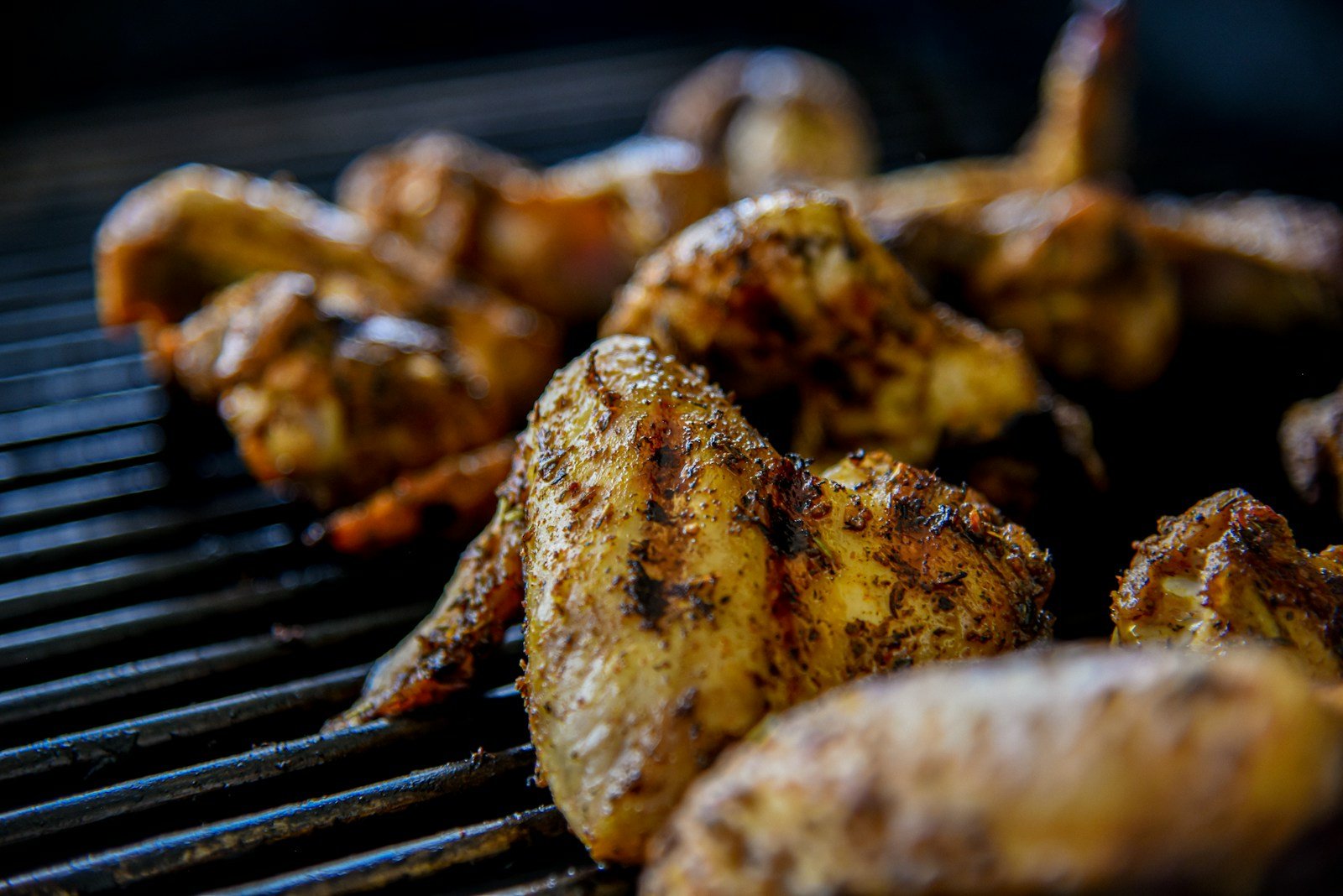
- Grilled Chicken with Sweet Potato and Steamed Broccoli
A classic balanced meal that provides lean protein, quality carbs, and fiber.
- Protein Smoothie with Spinach, Banana, and Almond Milk
Quick and easy to digest, this refreshing shake delivers fast fuel and essential nutrients.
- Salmon with Quinoa and Roasted Vegetables
Rich in omega-3s, salmon combats inflammation, while quinoa and veggies replenish energy.
- Egg and Avocado Toast on Whole Grain Bread
This combination of carbs, protein, and healthy fats is a quick go-to meal for recovery.
Hydration and Electrolytes
Rehydrate with water or an electrolyte drink to replace minerals like sodium and potassium lost during exercise. Coconut water or a homemade electrolyte drink are great natural options.
Common Myths About Workout Nutrition
Myth 1: You Need Expensive Supplements
While protein powders and energy bars can be convenient, whole foods like eggs, chicken, beans, and oats are just as effective for fueling your body.
Myth 2: Carbs Post-Workout Are Bad
Carbohydrates are your body’s fuel. After intense workouts, they’re essential for replenishing energy stores and enhancing recovery.
Myth 3: Fasted Workouts Burn More Fat
While some people swear by fasted workouts, they may lead to reduced performance and muscle loss over time. Eating a small, balanced meal prior to exercise optimizes your training intensity.
Tips for Maximizing Your Nutrition
- Meal Prep – Plan and prepare pre- and post-workout meals in advance to avoid reaching for unhealthy snacks.
- Listen to Your Body – Keep track of which foods work best for you and adjust as needed.
- Experiment with Timing – Find the timing that works best with your schedule and digestion.
Fuel Your Workouts the Right Way
Fueling your body shouldn’t be complicated—it’s all about balance and timing. Pre-workout meals prepare your body to perform, while post-workout meals ensure you recover and come back stronger. By incorporating the meal ideas in this guide, you can take your fitness routine to the next level.
Want more personalized nutrition advice? Subscribe to our newsletter for expert tips and recipes to optimize your training and recovery!