Building a fitness routine that sticks can feel like an impossible task. You start with boundless motivation, but before long, life gets in the way. Why is it so hard to maintain those healthy habits, even when we know they’re good for us?
The answer lies in understanding the psychology behind habit formation. By tapping into proven strategies and using science-backed techniques, you can create lasting fitness habits that feel natural and sustainable. This guide breaks down the key principles of fitness psychology and shows you how to start building habits that truly last.
Why Do Fitness Habits Fail?
Before we jump into solutions, it’s crucial to understand why so many fitness routines fizzle out.
Unrealistic Expectations
One of the biggest mistakes is setting goals that are too ambitious. For example, jumping from no physical activity to committing to an intense daily workout isn’t sustainable for most people. You’ll quickly feel overwhelmed or discouraged by the huge leap.
Lack of a Clear Plan
“Get fit” is a fantastic goal, but it’s vague. How do you measure success? Without clarity, it’s hard to track progress, and you’re more likely to give up.
Relying on Motivation
Motivation can be a powerful spark, but it isn’t a constant. Factors like stress, lack of sleep, or a busy schedule can drain your enthusiasm. When motivation dips, many people stop altogether.
Viewing Fitness as a Chore
When exercise feels like a punishment or an obligation, you associate it with negative feelings. Over time, you’ll naturally avoid doing it.
The Science Behind Habit Formation
Habits are powerful. According to research, about 40% of our daily actions are automatic habits. This means you can design routines to work for you, but it requires intentional effort in the beginning.
What Are Habits?
Psychologists describe habits as loops made up of three key components:
Cue – A trigger that initiates the behavior.
Routine – The behavior you want to adopt, like exercising or stretching.
Reward – The feeling or tangible benefit you get afterward, which reinforces the habit.
For example:
Cue: Laying out your workout clothes before bed.
Routine: Going for a 20-minute jog in the morning.
Reward: Feeling energized and clear-headed for the rest of the day.
The more consistent this loop becomes, the more automatic it will feel.
When you think about cardio workouts, the image of a treadmill often comes to mind. However, not everyone has gym access, likes running on a treadmill, or finds it convenient to use one. Luckily, you don’t need fancy equipment to get your heart racing and improve your cardiovascular health.
There are plenty of treadmill-free exercises that are just as effective at burning calories, boosting endurance, and improving fitness. Whether you’re at home, in the park, or even traveling, these five cardio workouts can be done virtually anywhere with little to equipment.
Why Cardio Is Essential
Before we jump into the workouts, it’s worth understanding why cardio is important. Cardiovascular exercise gets your heart pumping, increases your lung capacity, and improves overall stamina. Regular cardio workouts can help with weight management, lower your risk of heart disease, and release endorphins, boosting both your physical and mental health.
The best part? Cardio doesn’t have to mean pounding away on a treadmill for hours. Many alternatives are fun, dynamic, and accessible to everyone.
1. Jump Rope
Why it Works
Jumping rope is more than a childhood pastime—it’s a high-intensity workout that enhances coordination while torching calories. A 150-pound person can burn approximately 375 calories in just 30 minutes of skipping rope.
How to Get Started
Beginner’s Guide: Start with a lightweight rope and practice basic two-foot jumps.
Add Variety: Once comfortable, you can include variations such as single-leg jumps, high knees, or double-unders for a greater challenge.
Time It: Aim for 3-5 sets of 1-minute jumps, followed by a 30-second rest in between.
Jump ropes are portable, making them a great option for a fast cardio session at home or on the go.
2. High-Intensity Interval Training (HIIT)
Why it Works
HIIT pairs short bursts of intense exercise with brief recovery periods, making it one of the most efficient ways to burn calories and improve endurance. Most HIIT workouts can be completed in under 30 minutes but deliver results that rival longer, steady-state cardio sessions.
Example HIIT Routine
No equipment? No problem! Here’s a simple 10-minute HIIT workout to try:
Jumping Jacks – 45 seconds
Burpees – 30 seconds
Mountain Climbers – 45 seconds
Rest – 30 seconds
Repeat this circuit two to three times, depending on your fitness level.
HIIT is adaptable and can be tailored to your preferences. Plus, it keeps things from getting boring!
3. Stair Climbing or Step-Ups
Why it Works
If there’s a staircase nearby or even a sturdy surface like a park bench, you’ve got a powerful cardio workout at your disposal. Stair climbing and step-ups target the lower body while elevating your heart rate, giving you a mix of cardio and strength training.
How to Perform
Stair Climb: If you have access to a flight of stairs, spend 10-15 minutes walking or jogging up and down. The steeper the stairs, the harder the workout.
Step-Ups: Using a bench or sturdy surface, step up one leg at a time, ensuring you keep your back straight. Add intensity by holding light weights or increasing your pace.
The incline works your glutes, quads, and calves while improving your stamina.
4. Dancing
Why it Works
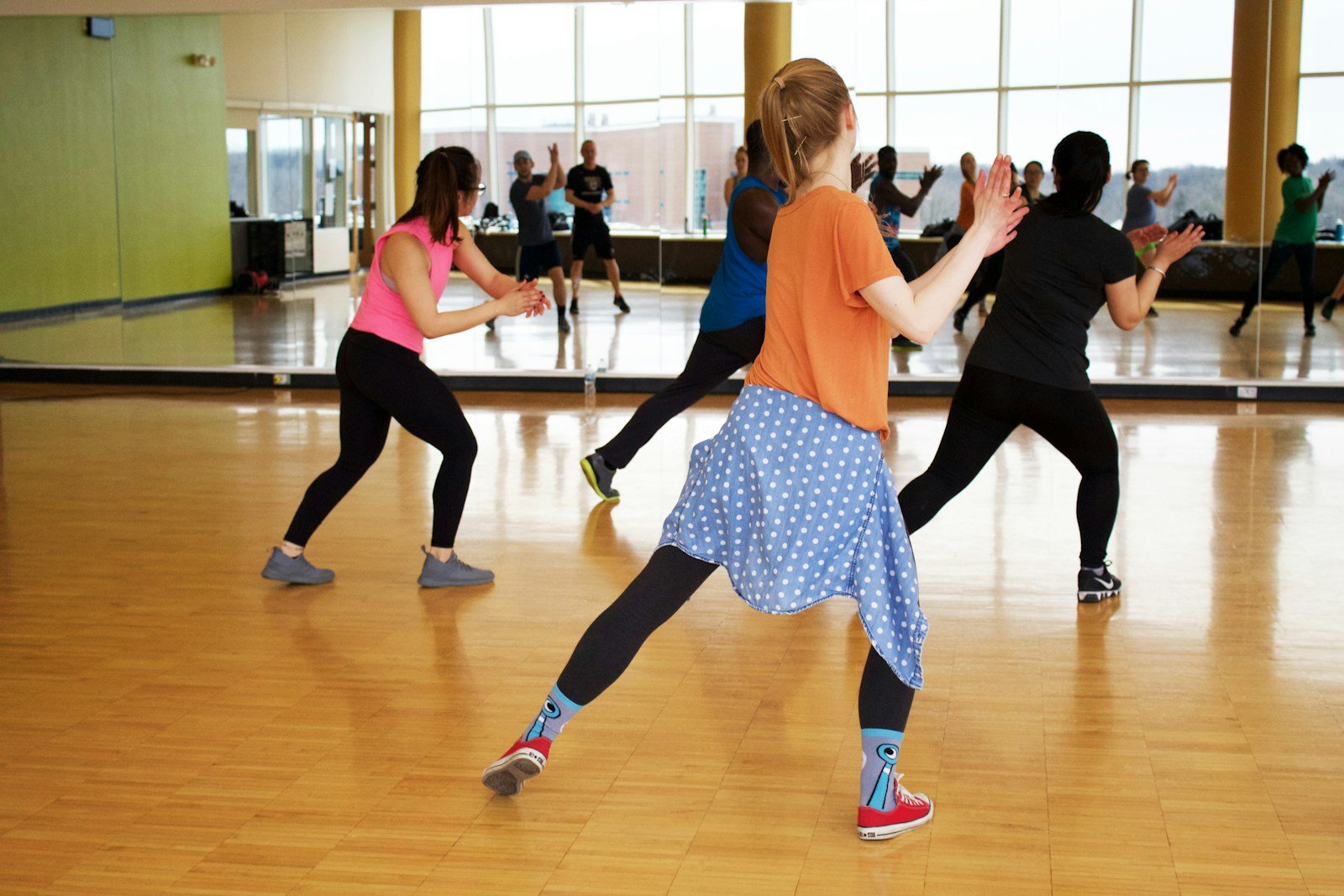
Who5 Cardio Workouts You Can Do Without a Treadmill says exercise can’t be fun? Dancing is an enjoyable way to get your heart rate up while improving coordination and flexibility. Plus, it’s so versatile—you can freestyle to your favorite playlist, try a dance-based fitness class like Zumba, or follow a YouTube dance workout.
Getting Started
Groove Freestyle: Put on some music and dance around your living room for 20-30 minutes.
Follow Along: Look up beginner dance workouts online to learn moves to a specific song or style, such as hip-hop or salsa.
Challenge Yourself: Learn a choreographed routine to a popular song—it’s a fun, mental workout too!
Not only is dancing great cardio, but it also lifts your mood, making it perfect at the end of a long day.
5. Bodyweight Circuits
Why it Works
Bodyweight exercises like squats, lunges, and push-ups are already staples of fitness routines, but stringing them together into a fast-paced circuit transforms them into a powerful cardio workout. Bodyweight circuits require no equipment and can be adjusted to any fitness level.
Example Circuit
Perform the following exercises for 45 seconds each, then rest for 15 seconds between moves. Repeat the full circuit 2-3 times:
Push-Ups
Jump Squats
Plank Jacks
Walking Lunges
High Knees
Progress at your own pace and gradually increase intensity by adding more rounds or shortening recovery time.
Achieving sustainable weight loss can feel like an uphill battle. But with the right balance of fitness and nutrition, reaching your goals is not only possible—it can become a long-term lifestyle change. This post will teach you how to harmonize exercise and diet while keeping your health and well-being in focus. You’ll learn practical strategies, key principles, and actionable tips to ensure your weight loss plan is effective and, most importantly, sustainable.
Why Fitness and Nutrition Go Hand in Hand
Many people focus solely on either diet or exercise when trying to lose weight. However, relying on just one aspect can lead to either dissatisfaction or temporary results. Sustainable weight loss is built on the synergy between what you eat and how you move.
The Science Behind Weight Loss
At a fundamental level, weight loss occurs when you burn more calories than you consume. This process, called a caloric deficit, can be achieved through:
Nutrition (controlling calorie intake by eating strategically).
Fitness (increasing the number of calories your body uses).
Pairing the two allows you to better manage your energy balance and makes the process easier and more sustainable. For example, while cutting hundreds of calories from your diet might be burdensome, combining moderate dietary adjustments with exercise spreads the effort while keeping you energized and motivated.
Holistic Health Benefits
The benefits extend far beyond weight loss:
Fitness improves cardiovascular health, builds strength, and boosts mood through endorphin release.
Nutrition supports mental clarity, energy levels, and overall physical function.
When these two work together, they amplify each other, creating a healthier body and mind.
Step 1: Understand Your Unique Goals and Needs
Before jumping into any plan, it’s essential to set realistic goals tailored to your lifestyle and body type. This is different for everyone. Here are a few tips to guide you:
Define “sustainable” for you: Do you want to lose 1-2 pounds per week? Or maintain your weight while building muscle?
Listen to your body: Consider factors like metabolism, activity level, and any health conditions.
Track your progress: Use a food diary or fitness app to measure whether your current habits bring you closer to your goal.
It’s easier to stay committed when your goals are measurable and personal.
Step 2: Build a Nutrition Plan That Supports Your Goals
Nutrition is the building block of any weight loss plan. Here’s how to get it right:
Focus on Whole, Nutrient-Dense Foods
Choosing nutrient-dense foods ensures your body gets the vitamins, minerals, and energy it needs without unnecessary calories. Key options include:
Proteins: Chicken, fish, tofu, eggs, and legumes for muscle repair and appetite control.
Carbohydrates: Whole grains, fruits, and vegetables for sustainable energy.
Healthy Fats: Avocado, nuts, seeds, and olive oil for hormone regulation and satiety.
Avoid Crash Dieting
Restrictive diets may work in the short term but often lead to nutrient deficiencies and rebound weight gain. Instead, aim for small, consistent changes.
Master Portion Control
Even healthy foods can add extra calories if portion sizes aren’t managed. Try using smaller plates or the “hand method” (e.g., a palm-sized portion of protein, a fist of vegetables, a cupped handful of carbs).
Hydration Matters
Don’t forget water! Staying hydrated helps control hunger, boosts metabolism, and keeps your body functioning optimally. Aim for at least 8 glasses a day.
Plan Ahead
Prepping meals or having healthy snacks on hand helps you avoid the temptation of fast food or impulsive eating.
Step 3: Incorporate a Balanced Fitness Routine
Exercise doesn’t have to mean hours in the gym. A routine combining cardio, strength training, and flexibility exercises can help you sustain weight loss while enjoying your workouts.
Cardio for Fat Burning
Cardiovascular exercises like running, cycling, or swimming burn calories and promote heart health. Aim for:
150–300 minutes of moderate-intensity exercise per week (e.g., brisk walking).
Or 75–150 minutes of high-intensity exercise (e.g., HIIT).
Strength Training for Muscle and Metabolism
Building muscle increases your resting metabolism, meaning you’ll burn more calories even when you’re not active. Try:
Weightlifting
Bodyweight exercises (push-ups, squats)
Resistance training 2–3 times a week
Flexibility and Recovery
Don’t skip the cool-down. Stretching or yoga prevents injuries and improves mobility, making it easier to stay consistent with workouts.
Find Activities You Love
Whether it’s dancing, hiking, or kickboxing, choose exercises that make you excited. This reduces burnout and keeps you motivated.
Step 4: Find and Maintain Balance
Life happens, and sticking rigidly to a schedule can sometimes feel overwhelming. But balance is key to sustainability. Here’s how to maintain harmony:
Listen to your body: Take rest days when you’re feeling tired or sore.
Practice moderation: Treat yourself occasionally without guilt to avoid bingeing later.
Be flexible: Adjust meal plans or workouts when unexpected challenges arise.
Consistency beats perfection every time.
Step 5: Rethink Weight Loss as a Journey, Not a Destination
The goal isn’t just to lose weight but to create healthy habits that last a lifetime. Avoid worrying about setbacks—they’re normal and an opportunity to reassess your approach. Focus on progress, not perfection.
Actionable Tips for Getting Started
Want to kick-start your weight loss with practical steps today? Try these:
Swap one processed snack for a piece of fruit or nuts.
Find a 20-minute workout on YouTube and do it today!
Stay hydrated—carry a refillable water bottle wherever you go.
List one fitness activity you enjoy and schedule time for it this week.
Start Your Journey to Sustainable Weight Loss
Balancing fitness and nutrition is more than just a formula; it’s a mindset. By integrating small, realistic changes into your life, you’ll develop sustainable habits that support your long-term health and weight goals.
Remember, consistency is your biggest ally. And when in doubt, make choices that fuel both your body and your happiness.
Achieving fitness goals isn’t just about dreaming big—it’s about setting realistic, actionable objectives and committing to the process. Whether you’re looking to lose weight, build muscle, or simply improve your overall well-being, a solid plan can make the difference between abandoning your goals and celebrating real progress.
This guide will walk you through the art of setting realistic fitness goals and, more importantly, strategies to stick with them long-term. By the end of this post, you’ll have the tools and motivation to turn your fitness ambitions into lasting achievements.
Why Setting Realistic Fitness Goals Matters
Many individuals set fitness goals with the best intentions but overestimate what they can achieve in a short period. Unrealistic goals can lead to discouragement, burnout, or even injury.
Setting achievable fitness goals is crucial because it ensures progress while keeping you motivated. By laying a foundation of smaller, measurable goals, you can build your way to greater success without feeling overwhelmed.
For example, instead of saying, “I need to lose 50 pounds in 3 months,” a more realistic goal would be, “I aim to lose 4-8 pounds per month for the next six months by exercising regularly and focusing on healthier eating.”
The Benefits of Realistic Goal-Setting
Motivation: Achieving small victories keeps you motivated to tackle the next step.
Sustainability: Gradual progress helps form long-lasting habits.
Safety: Realistic goals minimize the risk of injury or overtraining.
Confidence Building: Success in achieving reasonable goals boosts your confidence for future challenges.
How to Set Realistic Fitness Goals
The process of setting fitness goals doesn’t have to be complex. By following these six steps, you can design a plan tailored to your unique needs and achieve the success you desire.
1. Start with SMART Goals
A proven method for setting effective fitness goals is using the SMART framework. SMART stands for Specific, Measurable, Achievable, Relevant, and Time-bound.
Specific: Define clear and specific goals. For instance, instead of saying, “I want to get fit,” say, “I want to jog for 30 minutes, three times a week.”
Measurable: Choose goals that you can quantify. For example, aim to lose 10 pounds or lift a specific weight.
Achievable: Ensure your goal is realistic based on your current lifestyle and fitness level.
Relevant: Align your goal with what matters to you. If you value strength training, focus on performance-based goals like improving your deadlift form or weight.
Time-bound: Set a timeframe for achieving your goal, e.g., “I will complete this within six weeks.”
2. Assess Your Starting Point
Before crafting any plan, take a moment to evaluate where you stand. Understanding your baseline fitness level will help you create goals suited to your needs.
Consider scheduling a fitness assessment or tracking your stats, including weight, body fat percentage, or endurance capacity.
Reflect on your current activity habits. How often do you work out, and what type of exercises do you enjoy?
Think about any physical or medical limitations that need to be considered while planning.
3. Break Goals into Manageable Milestones
Think of your larger fitness goals as a staircase. Instead of leaping to the top, focus on climbing one step at a time.
For example, if your long-term goal is to run a marathon, smaller milestones could include working on running a 5K, then a 10K, followed by a half marathon. Each stage builds confidence and prepares you for the final challenge.
4. Align Goals with Your Lifestyle
Fitness doesn’t exist in a vacuum. To succeed, your goals must complement your schedule, preferences, and personal commitments.
For example:
If mornings work best for you, schedule workouts before heading to work.
Choose activities that you genuinely enjoy—whether it’s yoga, cycling, or swimming.
Factor in rest days or recovery weeks to maintain balance.
5. Monitor Progress Consistently
Tracking your progress not only helps you stay focused but also allows you to celebrate your wins along the way. Use tools like fitness apps, journals, or wearable trackers to log your workouts and accomplishments.
Pay attention to both quantitative metrics (e.g., weight lifted, miles run) and qualitative feedback (e.g., energy levels, reduced stress).
6. Stay Flexible and Adapt as Needed
Sometimes, life gets in the way of even the best-laid plans. Instead of getting discouraged, be adaptable. If you fall off track due to illness, family responsibilities, or a sudden schedule change, reassess your goals and timeline.
Remember, consistency is more important than perfection. Every step forward counts, no matter how small.
Strategies to Stick to Your Fitness Goals
Stay Accountable
Accountability can make all the difference when pursuing fitness goals. You might consider options such as:
Partnering with a workout buddy.
Sharing your progress on social media.
Working one-on-one with a personal trainer or fitness coach.
Celebrate Wins—No Matter How Small
Each milestone you achieve is worth celebrating! Treat yourself to something uplifting, like new workout gear, a relaxing massage, or a delicious (and healthy) meal.
Focus on Consistency Over Perfection
It’s okay to miss a workout or have a less-than-nutritious meal on occasion. Long-term success comes from building habits, and not being perfect every single day.
Stay Inspired
Keep your motivation alive by remembering why you started. Set reminders for your goals, visualize the results you want or join a community of like-minded individuals who can keep you motivated.
Pave Your Path to Success
Setting realistic fitness goals isn’t about limiting your dreams—it’s about paving the way to achieve them. By breaking your objectives into manageable steps, staying patient, and building consistency, you’ll be well on your way to a healthier, happier you.
If you’re ready to take that first step, start today by setting your SMART fitness goal. Need help staying accountable? Connect with local fitness classes or communities that align with your mission.
When it comes to maintaining a healthy lifestyle or achieving your fitness goals, incorporating low calorie high protein foods into your diet can be a game-changer. These foods not only help you feel fuller for longer but also provide the essential nutrients your body needs to build and repair muscle, support weight loss, and sustain energy levels throughout the day. With the right choices, you can enjoy delicious meals that fuel your body without the extra calories, making it easier to stay on track with your health goals.
Eating healthy doesn’t have to be tedious, complicated, or unsatisfying—it just takes a bit of planning and knowledge. Whether you’re trying to lose weight, build muscle, or maintain a balanced diet, low-calorie, high-protein foods are indispensable. These powerhouse ingredients can help you stay full, meet your nutritional needs, and achieve your health goals.
This guide dives into how these nutrient-dense foods can transform your diet, discussing their benefits and providing actionable tips for incorporating them into your daily life. Let’s start redefining how you eat to live your healthiest, fittest life!
Why Are Low-Calorie, High-Protein Foods Important?
Protein serves as the building block for our muscles, tissues, and enzymes, while low-calorie foods help manage your overall energy intake, aiding weight loss and supporting metabolic health. When combined, low-calorie, high-protein foods offer a double benefit: they help you stay full longer and cut back on excess calories—all without losing essential nutrients.
Key Benefits:
Helps Build Lean Muscle: Protein intake fuels muscle recovery and development after workouts.
Aids in Weight Loss: These foods are highly satiating, which means fewer hunger cravings.
Boosts Metabolism: Protein requires more energy for digestion, subtly increasing calorie burn.
By focusing on these foods, you can craft a diet that is both satisfying and weight-management-friendly.
Best Low-Calorie, High-Protein Foods
Here are the top categories of low-calorie, high-protein foods to consider adding to your diet.
1. Lean Meats
Lean meats like chicken breast, turkey, and lean beef are some of the most popular sources of high-quality protein. Packed with essential nutrients and low in calories, they’re a staple in fitness diets.
Lean meats are rich in iron and B-vitamins, supporting energy metabolism and red blood cell production.
How to Enjoy
Grill chicken breast with lemon and herbs.
Add turkey to a vegetable stir-fry.
2. Seafood
Fish and shellfish are excellent protein-rich options with added omega-3 fatty acids for heart health.
Cod (3 oz): 70 calories, 15g protein
Shrimp (3 oz): 85 calories, 20g protein
Salmon (3 oz): 180 calories, 17g protein
Why It’s Beneficial
Seafood aids in brain function, heart health, and providing good fats that balance calorie intake.
How to Enjoy
Bake salmon with cracked pepper for a simple dinner.
Toss grilled shrimp with a quinoa salad for lunch.
3. Legumes and Pulses
For plant-based eaters, legumes like lentils, chickpeas, and black beans offer substantial protein with fewer calories.
Lentils (1 cup, cooked): 230 calories, 18g protein
Black Beans (1 cup, cooked): 227 calories, 15g protein
Chickpeas (1 cup, cooked): 270 calories, 15g protein
Why It’s Beneficial
These are high in fiber, improving digestion and keeping you full longer.
How to Enjoy
Prepare lentil soup for a hearty meal.
Roast chickpeas for a crunchy snack.
4. Dairy and Eggs
Low-fat dairy and eggs are nutrient powerhouses combining high protein content with essential vitamins.
Greek Yogurt (1 cup, non-fat): 100 calories, 20g protein
Egg Whites (1 large): 17 calories, 3.6g protein
Cottage Cheese (1/2 cup, low-fat): 90 calories, 12g protein
Why It’s Beneficial
These options are calcium-rich and versatile for multiple meals.
How to Enjoy
Add Greek yogurt to smoothies.
Mix scrambled egg whites with vegetables for breakfast.
5. Vegetables
Some vegetables, such as broccoli and spinach, also deliver a surprising protein punch.
Spinach (1 cup, cooked): 41 calories, 5g protein
Broccoli (1 cup, cooked): 55 calories, 4g protein
Why It’s Beneficial
These veggies provide high fiber, antioxidants, and essential micronutrients critical for health.
How to Enjoy
Roast broccoli for a delicious side dish.
Blend spinach into a green smoothie.
Tips for Adding These Foods to Your Diet
Now you know what to eat, but how can you seamlessly incorporate these foods into your routine?
Meal Ideas For Every Day
Breakfast
Scrambled egg whites with spinach and whole-grain toast
Greek yogurt with fresh berries and crushed nuts
Lunch
Grilled chicken breast salad with leafy greens, tomatoes, and olive oil dressing
Lentil and vegetable soup with whole-grain crackers
Dinner
Herb-crusted salmon with a side of roasted broccoli
Turkey stir-fry with bell peppers and quinoa
Smart Shopping and Preparation Tips
Plan Ahead: Make a list focused on lean meats, seafood, legumes, and nutrient-packed vegetables.
Batch Cooking: Grill or bake proteins early in the week so they’re ready for quick meals.
Storage Tips: Use freezer-friendly containers to store pre-cooked options like chicken and shrimp.
FAQs About Low Calorie High Protein Foods
What food has the highest protein and lowest calories?
Chicken breast is one of the best low-calorie, high-protein options with 31g of protein per 165 calories (3 oz serving).
How to get 150g of protein a day?
Divide your intake across multiple meals. For example, combine chicken breast, Greek yogurt, lentils, and egg whites for a balanced day.
What meals are low in calories but high in protein?
Think egg white omelets for breakfast, turkey salad for lunch, and grilled salmon for dinner.
How can I get high protein without calories?
Focus on lean, water-dense foods like cod, shrimp, or egg whites, which provide more protein per calorie.
Nourish Your Goals with Low-Calorie, High-Protein Foods
Integrating low-calorie, high-protein foods into your diet is one of the simplest ways to meet your health and fitness goals. These power-packed options satisfy hunger, nourish your body, and make every calorie count.
Finding time to work out can feel impossible, especially when your schedule is already packed. But here’s some good news—you don’t need hours in the gym to stay fit. With a focused 30-minute workout, you can target all major muscle groups, burn calories, and improve your overall strength and endurance.
This step-by-step guide will walk you through a powerful full-body workout that’s perfect for busy people. Designed for all fitness levels, it balances efficiency with effectiveness so you can make the most of every minute.
What Makes a 30-Minute Full-Body Workout Effective?
You might wonder if 30 minutes is truly enough to achieve meaningful results. The answer is yes! When structured properly, even a short workout can deliver impressive benefits.
Here are the key components of an effective 30-minute routine:
High-Intensity Training (HIT): Incorporates short bursts of intense movement to maximize calorie burn.
Compound Movements: Targets multiple muscle groups simultaneously, saving time while building strength.
Minimal Rest: Keeps your heart rate elevated, boosting cardiovascular health and endurance.
Adaptability: Exercises can be scaled up or down depending on your fitness level.
Now that we’ve covered the basics, here’s how to put it all into action.
Your 30-Minute Full-Body Workout Plan
Equipment You’ll Need
For this workout, you can stick to bodyweight exercises or use light equipment, such as dumbbells or resistance bands, for added intensity. You’ll also need a timer to keep track of intervals.
Structure
Warm-Up (5 minutes)
Main Routine (20 minutes): 5 circuits targeting major muscle groups with minimal rest.
Cool-Down (5 minutes)
We’ve broken each section into easy-to-follow steps below.
1. Warm-Up (5 Minutes)
Warming up prepares your body for exercise by improving blood flow and loosening your muscles. Here’s a quick routine:
Jumping Jacks (1 minute)
Get your heart rate up and warm up the entire body.
Dynamic Lunges (1 minute)
Step forward with one leg, lunge, and then switch. Loosens hip flexors and quads.
Arm Circles (30 seconds forward, 30 seconds backward)
Prepares shoulders for upper-body exercises.
High Knees (2 minutes):
Jog in place, bringing your knees toward your chest.
2. Full-Body Circuit Routine (20 Minutes)
This circuit includes five exercises. Perform each move for 40 seconds, followed by 20 seconds of rest. Repeat the full circuit for 4 rounds.
1. Bodyweight Squats (Lower Body)
Why it works: Engages your quads, hamstrings, and glutes, while improving balance.
How to do it:
Stand with your feet shoulder-width apart.
Lower your hips until your thighs are parallel to the floor.
Push back to the starting position.
Modification: Add dumbbells for more challenge or use a chair if you’re a beginner.
2. Push-Ups (Upper Body)
Why it works: Builds strength in your chest, shoulders, and triceps.
How to do it:
Start in a plank position with your hands under your shoulders.
Lower your chest toward the floor while keeping your back straight.
Push back to the start.
Modification: Drop to your knees or elevate your hands on a sturdy surface.
3. Mountain Climbers (Core & Cardio)
Why it works: Targets abs while keeping heart rate elevated.
How to do it:
Start in a plank position.
Drive one knee toward your chest, then quickly switch legs.
Continue alternating as fast as you can.
Modification: Slow down the pace to focus more on form and core engagement.
4. Dumbbell Rows (Back & Upper Body)
Why it works: Strengthens your upper back and improves posture.
How to do it:
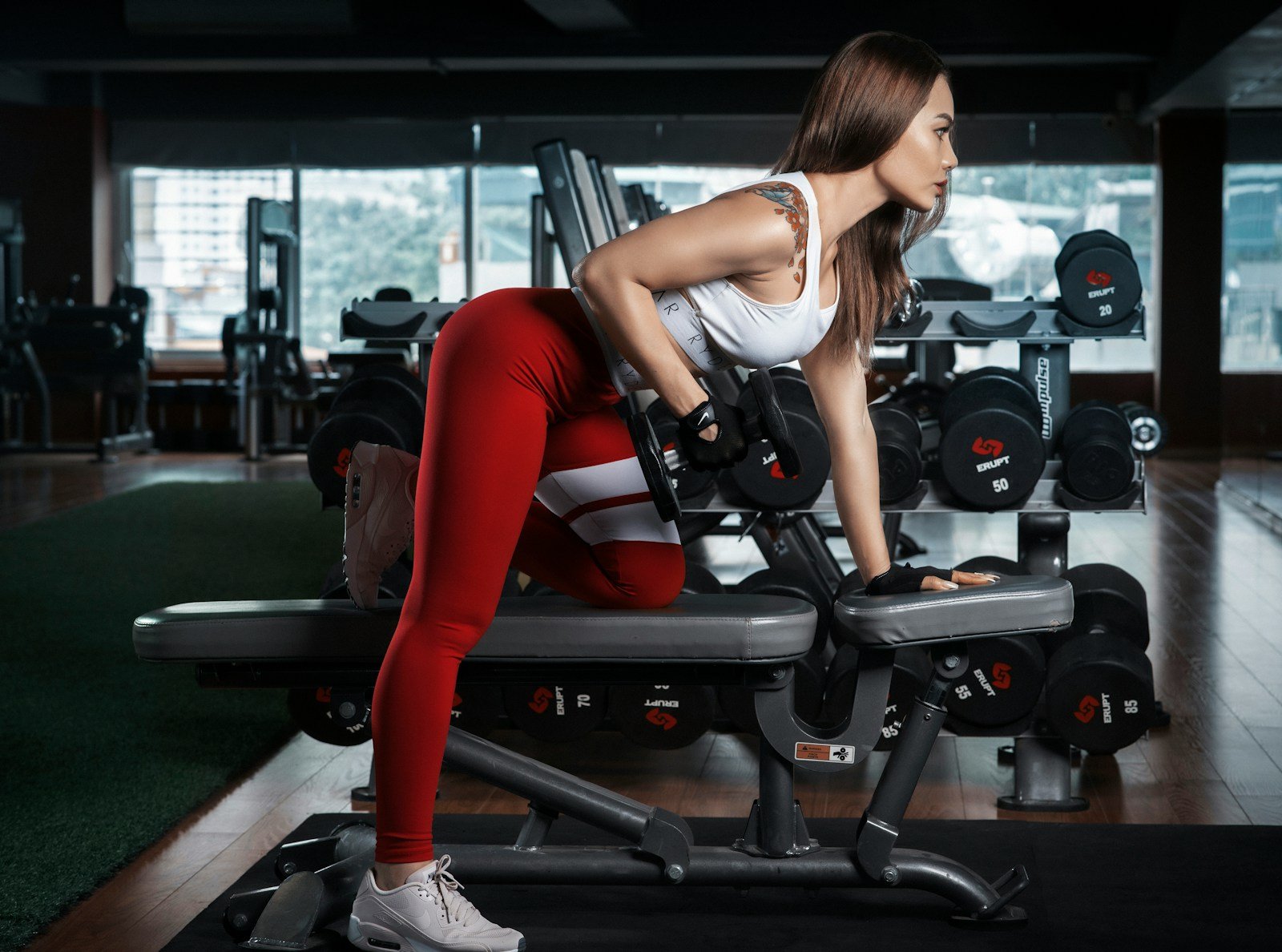
Hold a dumbbell in each hand.
Bend forward slightly at the hips, keeping your back flat.
Pull the weights toward your chest, squeezing your shoulder blades together.
Modification: Replace dumbbells with resistance bands or perform rows without equipment.
5. Plank to Shoulder Tap (Full Body)
Why it works: Improves core stability and strengthens shoulders.
How to do it:
Get into a plank position with your hands under your shoulders.
Tap your left shoulder with your right hand, then switch.
Keep your hips steady throughout.
Modification: Drop to your knees for greater stability.
3. Cool-Down (5 Minutes)
Cooling down is just as important as the workout itself. It helps lower your heart rate and prevent soreness.
Overhead Stretch (1 minute):
Extend your arms overhead and reach for the ceiling.
Hamstring Stretch (1 minute per leg):
Sit on the floor, extend one leg out, and reach toward your toes.
Child’s Pose (1 minute):
Kneel, lower your chest toward the floor, and extend your arms forward.
Cat-Cow Stretch (1 minute):
Alternate between arching and rounding your back on all fours.
Tips for Success
Set a Consistent Schedule
Consistency is key. Pick 3-4 days per week to follow this workout.
Stay Hydrated
Always drink water before, during, and after exercising.
Track Progress
Measure improvements in strength and endurance over time to stay motivated.
Listen to Your Body
If a move feels too challenging or painful, modify it or take a longer break.
Make the Most of Your Busy Schedule
Even the busiest lifestyle can accommodate a 30-minute workout with the right strategy. Start with this guide, stay dedicated, and watch how small investments in fitness lead to big results.
Want more personalized tips and workout inspiration? Subscribe to our newsletter for weekly fitness content tailored to your goals.
Deciding between strength training and cardio can feel like choosing between two equally important paths for your fitness routine. Both forms of exercise offer a wealth of health benefits, but which one aligns best with your personal goals? Whether you’re training to build muscle, lose weight, or simply improve overall health, understanding the differences between strength training and cardiovascular workouts is key.
This guide will break down the benefits, provide tips to help you choose, and even explain how these two forms of exercise can complement each other for optimal fitness results. By the end of this article, you’ll not only understand the key differences between strength and cardio but also know how to tailor your workout plan to meet your unique goals.
The Basics of Strength Training and Cardio
What Is Strength Training?
Strength training, also known as resistance or weight training, focuses on building muscle and increasing strength. This is done through repeated movements using weights, resistance bands, or even your own body weight (think push-ups and squats).
The key benefits of strength training include:
Building muscle mass and improving muscle tone
Boosting metabolism to burn more calories, even at rest
Increasing bone density, reducing the risk of osteoporosis
Enhancing functional fitness for daily activities like lifting or carrying
Most experts recommend doing strength training 2–3 times a week, allowing recovery days for your muscles.
What Is Cardio?
Cardiovascular exercise, often called “cardio,” is any activity that raises your heart rate and breathes life into your endurance. These workouts keep your heart pumping and challenge the lungs, engaging multiple muscle groups to sustain energy levels over time.
The key benefits of cardio include:
Improving heart health and lung capacity
Burning calories efficiently for weight loss
Boosting mood and energy, thanks to the release of endorphins
Enhancing stamina for sustained physical activity
Common types of cardio include:
Running or jogging
Swimming or cycling
High-Intensity Interval Training (HIIT)
Dance workouts, like Zumba
Brisk walking
For maximum health benefits, aim for at least 150 minutes of moderate-intensity cardio (or 75 minutes of vigorous activity) per week, according to the American Heart Association’s guidelines.
Which Is Right for Your Goals?
Now that we’ve covered the basics, the real question arises—should you focus on strength training or cardio? The answer depends on what you’re working to achieve. Let’s break it down by goal:
1. If Your Goal Is Weight Loss
When it comes to shedding pounds, cardio often steals the spotlight due to its calorie-burning efficiency. Activities like running or cycling can burn hundreds of calories in a single session. However, strength training is equally important for long-term results. Why? Building muscle increases your resting metabolic rate, meaning you burn more calories even when lounging on the couch.
Best Strategy: Pair both. Spend 3–4 days on a mix of strength training and cardio. Incorporate HIIT, which combines bursts of cardio with bodyweight exercises, for maximum calorie burn in a short period.
2. If Your Goal Is Muscle Gain
To build muscle and incStrength vs. Cardio: What’s Right for Your Goals?Best Strategy: Focus on strength training 4–5 days a week. Cardio can still be included in small doses (10–20 minutes as a warm-up or cool-down) to support cardiovascular health without interfering with muscle-building progress.
3. If Your Goal Is Heart Health
When it comes to heart health, cardio is king. Activities like brisk walking, running, or swimming strengthen your heart, improve circulation, and reduce the risk of cardiovascular diseases.
Best Strategy: Commit to moderate-intensity cardio at least 5 days a week. Pair it with light strength training (2–3 times per week) to support overall health and functional strength.
4. If Your Goal Is Improved Stamina and Endurance
Endurance requires activities that train your body to sustain energy over long periods—making cardio your go-to. Long-distance running or cycling will help you achieve greater stamina, whether for marathons or simply keeping up with your kids.
Best Strategy: Focus on cardio 4–5 times per week. Incorporate strength training 1–2 times a week to maintain muscular balance and prevent injuries.
5. If Your Goal Is Overall Health and Fitness
For general health and well-being, there’s no “one-size-fits-all.” A balanced mix of both strength and cardio provides a well-rounded fitness routine that addresses all aspects of a healthy lifestyle.
Best Strategy: Alternate between the two. For example:
Monday/Wednesday/Friday – Strength Training
Tuesday/Thursday/Saturday – Cardio
Sunday – Rest or light stretching
Can Strength and Cardio Be Combined?
Absolutely! The best fitness plans often combine both forms of exercise to maximize benefits. Strength training builds a solid foundation, while cardio improves endurance and heart health. Here are some ways to blend the two:
Circuit Training: Combine strength and cardio exercises in one workout. For example, do a set of squats with weights, followed by a 1-minute sprint on the treadmill.
Add Cardio Intervals: During your strength workout, incorporate short bursts of cardio (e.g., jumping jacks between each set).
Alternate Days: Dedicate specific days to strength training and others to cardio.
The synergy of both will help you reach a variety of fitness goals while keeping your workouts engaging and diverse.
FAQs About Strength and Cardio
Q: Will cardio “kill” my strength training progress?
A: Not necessarily. If your priority is building muscle, avoid excessive cardio that might interfere with recovery. A little cardio, however, can complement your gains by enhancing blood flow and endurance.
Q: Can I do both in the same workout?
A: Yes! Combining the two in a single session (such as through circuit training) works well for overall fitness. However, if you’re highly goal-oriented, dedicating separate days for each may yield better results.
Q: Which burns more calories—strength or cardio?
A: Cardio burns more calories during the workout, but strength training burns calories long after the session due to the muscle repair process (known as the “afterburn” effect).
Finding Your Ideal Balance
Remember, the “best” workout is the one that aligns with your goals and fits seamlessly into your lifestyle. Start by defining what you want to achieve, experimenting with different routines, and listening to your body as you progress.
What if I told you that you don’t need a gym to burn calories, improve your heart health, and get in shape? In fact, some of the best cardio exercises can be done right in your living room, no equipment necessary! Whether you’re short on time, space, or resources, staying active at home has never been easier. Studies show that even short bursts of cardio can help improve overall fitness, making home workouts a viable and effective option for many. Let’s dive into 20 of the best cardio exercises you can start doing today to boost your fitness without ever leaving your house!
Why Cardio is Essential for Your Health
Before we get into the exercises, it’s important to understand why cardio is crucial for your overall health. Cardiovascular exercise, also known as aerobic exercise, gets your heart rate up and increases blood circulation throughout the body. It helps improve heart and lung capacity, reduces the risk of heart disease, burns calories, and enhances mood. Cardio also plays a critical role in weight management and improves endurance, allowing you to perform everyday tasks with greater ease.
Now, let’s look at the 20 best cardio exercises you can do at home to keep your heart strong, body fit, and mind sharp.
1. Jumping Jacks
Jumping jacks are a simple yet effective way to get your heart pumping and warm up your body.
How to do it: Stand upright with your legs together, arms at your sides. Jump while spreading your legs to shoulder width and raising your arms above your head. Return to the starting position and repeat.
Benefits: Jumping jacks improve cardiovascular fitness, coordination, and flexibility. They’re also great for warming up before a more intense workout.
2. High Knees
High knees offer a fast-paced cardio workout that engages your core and leg muscles.
How to do it: Stand tall and run in place, lifting your knees as high as possible toward your chest. Move quickly to maintain an elevated heart rate.
Benefits: This exercise boosts cardiovascular endurance, strengthens the lower body, and improves agility.
3. Burpees
Burpees are a full-body cardio exercise that combines strength and endurance.
How to do it: Start in a standing position. Drop into a squat, place your hands on the floor, jump your feet back into a plank position, perform a push-up, and then jump your feet back toward your hands. Explosively jump up to return to standing.
Benefits: Burpees target multiple muscle groups and elevate your heart rate quickly, making them an effective fat-burning exercise.
4. Mountain Climbers
This exercise mimics the motion of climbing a mountain, providing a challenging cardio and core workout.
How to do it: Start in a plank position with your hands directly under your shoulders. Drive your knees toward your chest, alternating between legs as quickly as possible.
Benefits: Mountain climbers increase your heart rate, build endurance, and strengthen your core.
5. Skater Jumps
Skater jumps are a dynamic exercise that mimics the movement of a speed skater.
How to do it: Stand on one leg, then leap laterally to the opposite side, landing on the other leg. Swing your arms for momentum and repeat.
Benefits: This exercise improves balance, coordination, and cardiovascular fitness while strengthening the legs and glutes.
6. Jump Rope
Jumping rope is one of the most effective cardio exercises you can do at home, requiring only minimal space and equipment.
How to do it: Hold the rope handles in each hand and swing the rope overhead, jumping as it passes under your feet. Try different variations like double unders or side-to-side jumps.
Shadow boxing is a great way to build endurance and improve hand-eye coordination while torching calories.
How to do it: Stand with your feet shoulder-width apart. Throw punches in the air while maintaining a steady bounce on your feet. Incorporate hooks, jabs, and uppercuts for variety.
Benefits: This exercise builds upper body strength, endurance, and agility while providing an intense cardio workout.
8. Running in Place
If you don’t have access to a treadmill, running in place can still get your heart rate up and mimic the effects of jogging.
How to do it: Simply run in place, lifting your knees high and swinging your arms as if you were running outdoors.
Benefits: Running in place improves cardiovascular fitness and burns calories without requiring any special equipment or large space.
9. Tuck Jumps
Tuck jumps are an explosive plyometric move that strengthens your legs and elevates your heart rate.
How to do it: Jump into the air, tucking your knees toward your chest as high as possible. Land softly and immediately repeat.
Benefits: This high-intensity exercise improves leg strength, agility, and cardiovascular endurance.
10. Butt Kicks
Butt kicks are a great warm-up exercise or cardio move to include in any workout.
How to do it: Run in place, kicking your heels toward your glutes with each step. Keep the movement fast and controlled.
Benefits: This exercise improves cardiovascular fitness and flexibility in the quadriceps.
Tips for an Effective At-Home Cardio Routine
Warm-up and Cool-down: Always begin with a 5–10 minute warm-up to prevent injury and end with a cool-down stretch to promote recovery.
Interval Training: Maximize your workout by alternating between high-intensity bursts (like 30 seconds of sprinting in place) and lower-intensity recovery periods (like 30 seconds of jogging in place).
Track Your Progress: Use a fitness app or smartwatch to track your heart rate, calories burned, and time spent working out to stay motivated.
11. Stair Climbing
Stairs are a fantastic piece of equipment for an at-home cardio workout.
How to do it: Simply walk or run up and down your stairs repeatedly. You can vary the speed or take two steps at a time to increase difficulty.
Benefits: Stair climbing strengthens your legs and glutes while giving your cardiovascular system a serious workout.
12. Jump Squats
Jump squats add an explosive element to regular squats, engaging more muscles and increasing your heart rate.
How to do it: Start with your feet shoulder-width apart and lower into a squat. Explosively jump up, extending your arms overhead. Land softly and immediately lower back into a squat.
Benefits: This exercise strengthens the legs and glutes while providing a great cardiovascular workout.
13. Lateral Shuffles
Lateral shuffles are an excellent cardio exercise that also improves your lateral (side-to-side) agility.
How to do it: Stand with your feet hip-width apart. Shuffle quickly to one side and then back to the other, staying low in an athletic stance.
Benefits: This move increases agility, strengthens the lower body, and enhances cardiovascular endurance.
14. Dancing
Dancing is not only fun but also an excellent way to burn calories and improve your mood.
How to do it: Put on your favorite high-energy music and start moving! Incorporate different dance styles, like hip-hop, salsa, or Zumba, to keep things interesting.
Benefits: Dancing improves coordination, flexibility, and cardiovascular fitness while being a fun way to stay active.
15. Bear Crawls
Bear crawls are a challenging full-body movement that tests both strength and endurance.
How to do it: Start in a quadruped position (on all fours) with your hands and feet on the ground. Crawl forward, keeping your core engaged and back flat.
Benefits: This exercise works your entire body while increasing your heart rate for an effective cardio workout.
16. Plank Jacks
Plank jacks are a combination of the plank and jumping jacks, providing both a core and cardio challenge.
How to do it: Start in a plank position. Jump your feet out to the sides and then back together, keeping your upper body steady.
Benefits: This exercise strengthens the core while boosting cardiovascular fitness.
17. Frog Jumps
Frog jumps are a high-intensity exercise that targets the legs and gets your heart rate up.
How to do it: Start in a low squat position with your feet wide. Jump forward, landing in a squat. Repeat, jumping forward and backward.
Benefits: This plyometric move increases leg strength, explosiveness, and cardiovascular endurance.
18. Box Jumps (using a sturdy surface)
If you have a sturdy surface or step at home, box jumps can be a great cardio move.
How to do it: Jump onto the surface, land softly, and step back down. Repeat for a set number of repetitions or time.
Benefits: Box jumps build explosive power in the legs and improve cardiovascular endurance.
19. Crab Walk
Crab walks challenge both your coordination and strength while providing a good cardio workout.
How to do it: Sit on the floor with your feet flat and hands behind you. Lift your hips and walk forward and backward in this position.
Benefits: This exercise strengthens the arms, core, and legs while increasing your heart rate.
20. Broad Jumps
Broad jumps are an explosive lower-body exercise that also
engages your core.
How to do it: Stand with your feet shoulder-width apart. Bend your knees and explode forward, jumping as far as you can. Land softly and repeat.
Benefits: Broad jumps build strength in the legs and glutes while providing an intense cardio challenge.
Conclusion: No Gym, No Problem!
Cardio doesn’t have to be boring or confined to a treadmill. With these 20 at-home cardio exercises, you can boost your heart rate, burn calories, and strengthen your entire body—all without any equipment or gym membership. Try incorporating a mix of these exercises into your routine to keep things fun and challenging. Whether you’re looking to lose weight, improve your heart health, or just stay active, these exercises offer a flexible, effective way to stay in shape at home.
So, what are you waiting for? Get started today with your new home cardio workout and let us know which exercises you enjoyed the most!
Are you struggling to shed stubborn belly fat? You’re not alone! Belly fat is one of the most challenging areas to target, but with the right exercises and consistency, you can achieve a flatter, toned midsection. The key is combining exercises that burn calories, strengthen core muscles, and improve overall fitness.
In this guide, we’ll cover the top exercises that help reduce belly fat, supported by science and expert recommendations. Ready to get started? Let’s dive in!
Why is Belly Fat so Stubborn?
Belly fat, also known as visceral fat, accumulates around the abdominal organs and is linked to various health risks like heart disease, diabetes, and inflammation. Genetics, diet, and lifestyle all play a role in fat storage, making it a tough nut to crack. However, a combination of cardio, strength training, and core-specific exercises can help you burn fat effectively.
Top Exercises for Belly Fat
1. High-Intensity Interval Training (HIIT)
HIIT is a proven method for fat loss, and it’s highly effective for targeting belly fat. This workout involves short bursts of intense exercise followed by brief recovery periods. The beauty of HIIT is that it keeps your heart rate up, burning more fat in less time.
How to Do It:
Choose exercises like sprinting, jump squats, or burpees.
Perform each exercise for 30 seconds at maximum effort.
Rest for 15 seconds between exercises.
Repeat for 15-20 minutes.
Pro Tip: Start with 2-3 sessions per week, and gradually increase intensity as your fitness improves.
2. Planks
Planks are a simple yet powerful exercise that strengthens the core muscles, which include the transverse abdominis, obliques, and rectus abdominis (the “six-pack” muscles). A strong core not only helps reduce belly fat but also improves posture and reduces the risk of injury.
How to Do It:
Start in a push-up position with your elbows bent and weight on your forearms.
Keep your body in a straight line from head to heels.
Hold the position for as long as possible without letting your hips drop.
Aim for 3 sets of 30-60 seconds.
Pro Tip: For added challenge, try side planks to target the obliques more directly.
3. Bicycle Crunches
Bicycle crunches are a dynamic ab exercise that targets the obliques and lower abs. This exercise engages multiple muscle groups, making it more effective for burning fat around the midsection.
How to Do It:
Lie on your back with your hands behind your head.
Lift your legs to a tabletop position.
Bring your right elbow towards your left knee while extending your right leg.
Alternate sides in a pedaling motion.
Perform 3 sets of 15-20 reps on each side.
Pro Tip: Focus on controlled movements and avoid rushing through the reps to maximize the burn.
4. Mountain Climbers
Mountain climbers are a full-body exercise that burns calories while engaging your core. This cardio-intensive move increases your heart rate and strengthens the abs, making it a great addition to your belly fat reduction routine.
How to Do It:
Start in a plank position with your arms straight.
Drive your right knee towards your chest, then switch legs quickly.
Continue alternating as if you’re running in place.
Perform for 30-60 seconds, repeating for 3 sets.
Pro Tip: Keep your core engaged and avoid bouncing your hips to ensure proper form.
5. Russian Twists
Russian twists are excellent for targeting the obliques and improving rotational core strength. This exercise can be done with just your body weight or with added resistance like a medicine ball.
How to Do It:
Sit on the floor with your knees bent and feet lifted off the ground.
Lean back slightly and hold your hands together or a weight at chest level.
Twist your torso to the right, then to the left, while keeping your core engaged.
Perform 3 sets of 15-20 reps on each side.
Pro Tip: For an extra challenge, perform the exercise slowly to increase muscle engagement.
The Importance of Diet and Lifestyle
While these exercises can significantly help reduce belly fat, they need to be paired with a healthy diet and active lifestyle. Reducing calorie intake, eating a balanced diet rich in whole foods, and staying hydrated are crucial for achieving optimal results.
Final Thoughts
Consistency is key when it comes to reducing belly fat. Incorporating these exercises into your routine, along with a healthy diet and active lifestyle, will set you on the right path. Remember, there are no quick fixes—commit to a long-term plan and enjoy the benefits of a stronger, leaner core.
Are you ready to start your journey towards a flatter belly? Lace-up your sneakers and take the first step today!