Category: Diets

  • The Best Pre- and Post-Workout Meals for Maximum Results

    The Best Pre- and Post-Workout Meals for Maximum Results

    Fueling your body effectively before and after a workout is crucial for achieving your fitness goals, whether you’re aiming to build muscle, improve endurance, or lose weight. But what should you eat to maximize your results? This guide will break down the best pre- and post-workout meals, explaining how they work to fuel your body and support recovery.

    Why Nutrition Matters for Workouts

    What you eat before and after exercise isn’t just about satisfying hunger—it impacts your energy levels, performance, and recovery. Eating the right foods can help you:

    • Boost Energy: A good pre-workout meal provides the fuel you need to power through your workout.
    • Enhance Performance: The right nutrients can optimize your strength, endurance, and focus.
    • Support Recovery: Post-workout meals replenish energy stores and repair muscles, helping you recover faster and reduce soreness.

    Now, let’s break down pre- and post-workout nutrition step by step.

    The Best Pre-Workout Meals

    A pre-workout meal should provide energy-boosting carbohydrates, complemented by some protein to support muscle performance. Here’s a simple breakdown.

    Timing Your Pre-Workout Meal

    • Large meals should be eaten 3–4 hours before exercise.
    • Small meals or snacks should be consumed 30 minutes to 2 hours beforehand.

    This ensures you have enough time to digest and don’t feel sluggish while working out.

    Nutrient Breakdown

    1. Carbohydrates – Carbs are your body’s primary source of energy. They give you the fuel to perform at your best.
    2. Protein – Consuming protein before exercise minimizes muscle breakdown and prepares your muscles for the stress of working out.
    3. Fats (minimal) – While fats are important in general nutrition, eating a high-fat meal immediately before exercise may slow digestion and cause discomfort.

    Examples of Top Pre-Workout Meals

    • Banana with Peanut Butter

    A quick and simple combo that delivers fast-acting carbs from the banana and healthy fats and protein from the peanut butter.

    • Oatmeal with Berries and a Scoop of Protein

    Packed with complex carbs and protein, this meal offers sustained energy over a longer workout.

    • Greek Yogurt with Honey and Granola

    A great mix of carbs, protein, and probiotics to energize your workout.

    • Rice Cakes Topped with Turkey and Avocado

    A light option that combines quality carbs, lean protein, and healthy fats for sustained energy.

    Hydration

    Don’t forget to drink water! Being hydrated is just as important as fueling your body, so aim to drink 16–20 ounces of water in the 2–3 hours leading up to your workout.

    The Best Post-Workout Meals

    After a workout, your body needs to recover and rebuild muscle while replenishing its energy stores. This makes it essential to eat a nutrient-rich meal within 30 minutes to 2 hours post-exercise.

    Why Post-Workout Nutrition Matters

    Exercise depletes your body’s glycogen stores (its main energy source) and creates tiny tears in your muscles. A well-balanced post-workout meal supports the recovery process by:

    • Replenishing glycogen with carbohydrates.
    • Promoting muscle repair and growth with protein.
    • Restoring hydration by replacing lost fluids.

    Nutrient Breakdown

    1. Protein – Aim for 20–30 grams of high-quality protein to repair and build muscles.
    2. Carbohydrates – Replace glycogen stores with a 3:1 or 2:1 ratio of carbs to protein, depending on workout intensity.
    3. Fats – Healthy fats like avocado or nuts can aid recovery, but keep them minimal to prioritize faster digestion.

    Examples of Top Post-Workout Meals

    Meals
    • Grilled Chicken with Sweet Potato and Steamed Broccoli

    A classic balanced meal that provides lean protein, quality carbs, and fiber.

    • Protein Smoothie with Spinach, Banana, and Almond Milk

    Quick and easy to digest, this refreshing shake delivers fast fuel and essential nutrients.

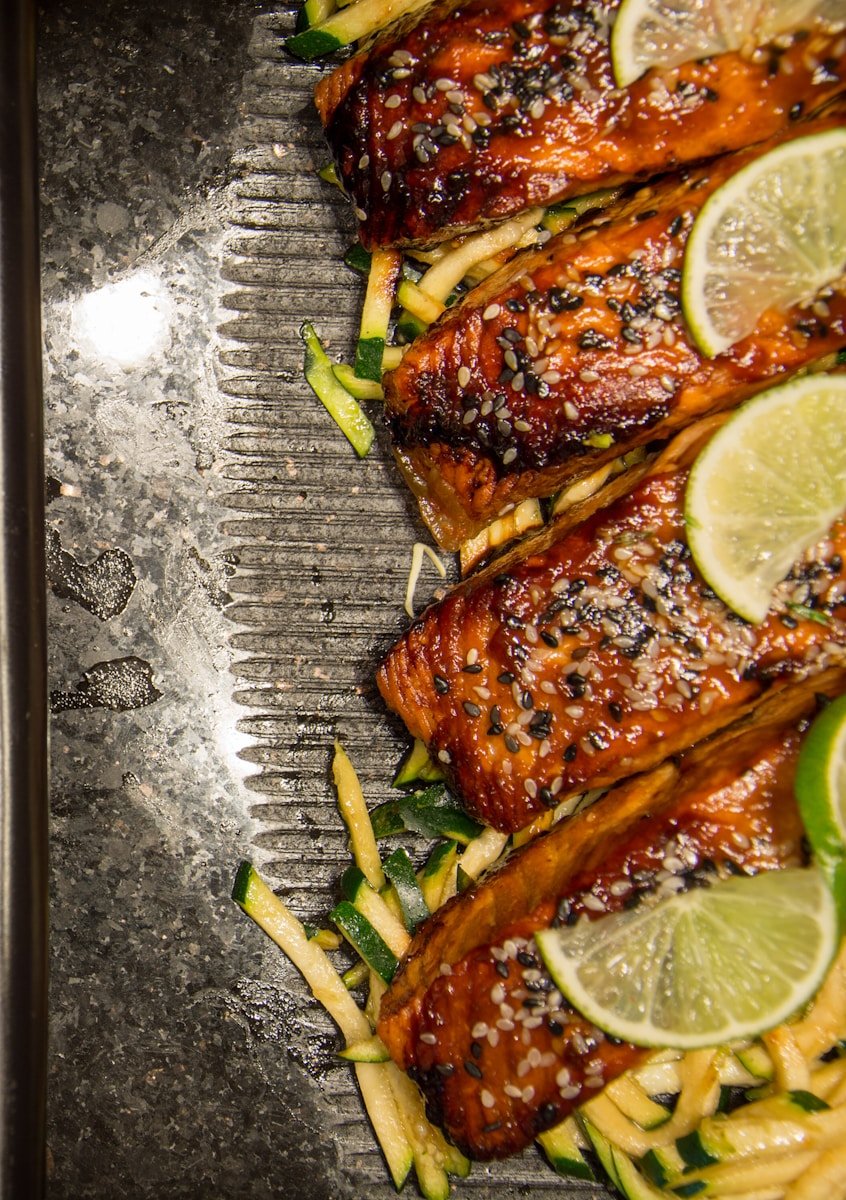
    • Salmon with Quinoa and Roasted Vegetables

    Rich in omega-3s, salmon combats inflammation, while quinoa and veggies replenish energy.

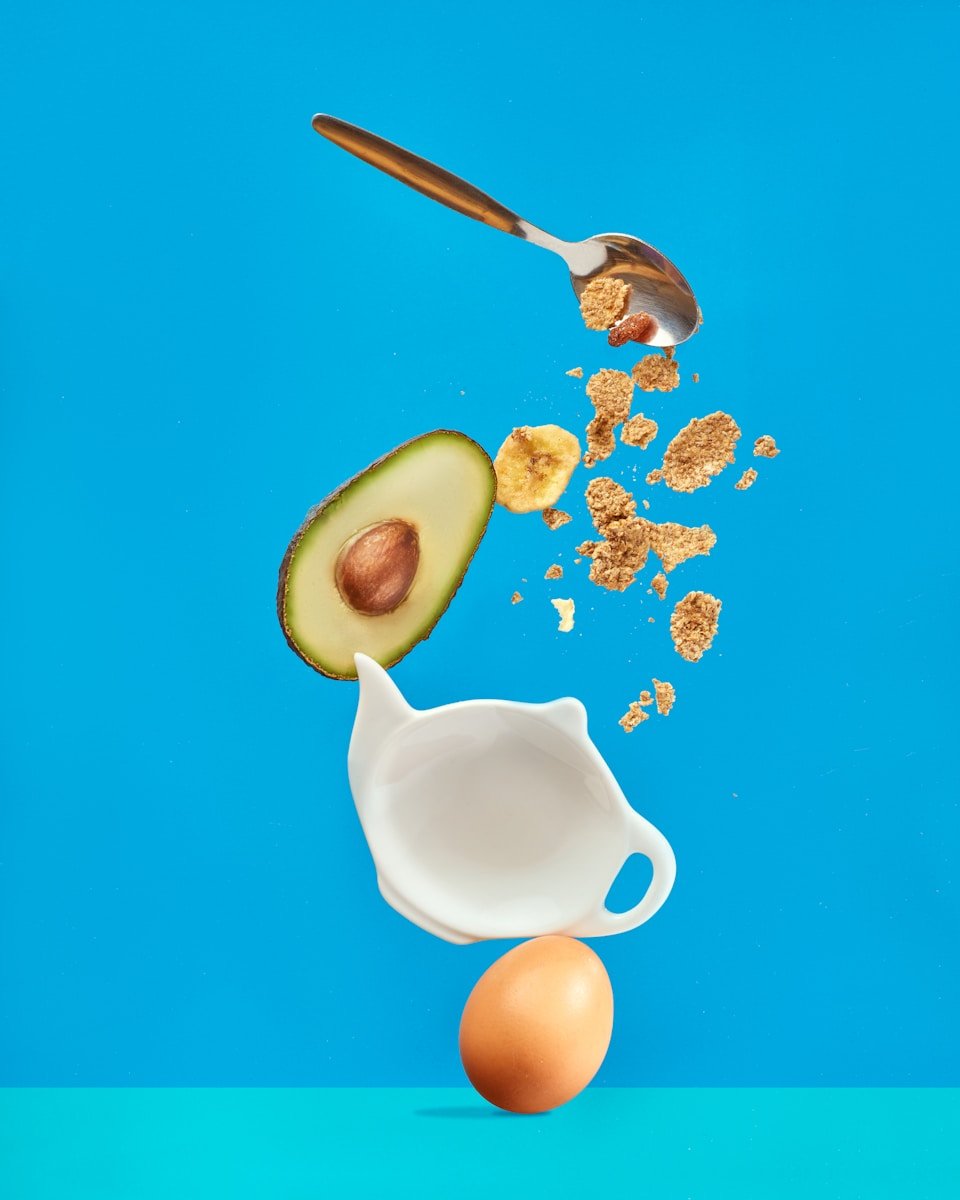
    • Egg and Avocado Toast on Whole Grain Bread

    This combination of carbs, protein, and healthy fats is a quick go-to meal for recovery.

    Hydration and Electrolytes

    Rehydrate with water or an electrolyte drink to replace minerals like sodium and potassium lost during exercise. Coconut water or a homemade electrolyte drink are great natural options.

    Common Myths About Workout Nutrition

    Myth 1: You Need Expensive Supplements

    While protein powders and energy bars can be convenient, whole foods like eggs, chicken, beans, and oats are just as effective for fueling your body.

    Myth 2: Carbs Post-Workout Are Bad

    Carbohydrates are your body’s fuel. After intense workouts, they’re essential for replenishing energy stores and enhancing recovery.

    Myth 3: Fasted Workouts Burn More Fat

    While some people swear by fasted workouts, they may lead to reduced performance and muscle loss over time. Eating a small, balanced meal prior to exercise optimizes your training intensity.

    Tips for Maximizing Your Nutrition

    1. Meal Prep – Plan and prepare pre- and post-workout meals in advance to avoid reaching for unhealthy snacks.
    2. Listen to Your Body – Keep track of which foods work best for you and adjust as needed.
    3. Experiment with Timing – Find the timing that works best with your schedule and digestion.

    Fuel Your Workouts the Right Way

    Fueling your body shouldn’t be complicated—it’s all about balance and timing. Pre-workout meals prepare your body to perform, while post-workout meals ensure you recover and come back stronger. By incorporating the meal ideas in this guide, you can take your fitness routine to the next level.

    Want more personalized nutrition advice? Subscribe to our newsletter for expert tips and recipes to optimize your training and recovery!

  • Top 10 Reasons Why It Is Important to Have a Balanced Diet

    Top 10 Reasons Why It Is Important to Have a Balanced Diet

    A Healthy Life Begins with a Balanced Diet!

    Imagine living in a body that feels energized, light, and well-nourished every single day. What if every meal you consumed gave you the power to think clearly, move efficiently, and stay ahead in life? The secret to this healthy and vibrant lifestyle is simpler than you think: a balanced diet. But why is it so important to maintain this balance? Let’s dive into the top 10 reasons that make a balanced diet essential for a long and healthy life.

    Resistance Band Workout | 30 minute Mixed Level Pilates

    1. Boosts Energy Levels

    Feeling tired and sluggish? Your diet could be to blame. A balanced diet provides your body with the essential nutrients like carbohydrates, proteins, and fats that convert into energy. This means you’ll be more active, focused, and ready to tackle your day.

    Key Takeaway: Properly balanced meals keep your energy levels stable, helping you avoid that midday slump.


    2. Improves Mental Health

    The brain is a complex organ that requires a variety of nutrients to function optimally. A balanced diet rich in omega-3 fatty acids, antioxidants, and vitamins can improve mood, reduce stress, and decrease the risk of depression.

    Did You Know? Diets rich in fruits, vegetables, and whole grains are linked to better mental health outcomes.


    3. Supports a Strong Immune System

    A well-rounded diet ensures that your body gets the vitamins and minerals it needs to keep your immune system strong. Nutrients like Vitamin C, zinc, and selenium act as your body’s defense force, protecting you from common illnesses like colds and infections.

    Fact: Your diet plays a critical role in your immune response. Balanced meals can make you less susceptible to diseases.


    4. Helps Maintain a Healthy Weight

    Balancing your meals with the right amount of proteins, fats, and carbohydrates helps in weight management. A diet that focuses on variety and portion control ensures you’re not overeating or consuming excess calories, which can lead to weight gain.

    Quick Tip: Balancing your plate with lean proteins, whole grains, and vegetables can naturally regulate your weight without feeling deprived.


    5. Promotes Heart Health

    Heart disease is one of the leading causes of death globally. A balanced diet low in saturated fats, sodium, and added sugars can reduce your risk of cardiovascular diseases. Incorporating heart-friendly foods like fish, nuts, and whole grains keeps your heart pumping strong.

    Pro Tip: Include more fiber-rich foods like oats and beans to maintain healthy cholesterol levels.


    6. Improves Digestive Health

    A diet rich in fiber from fruits, vegetables, and whole grains aids in digestion and prevents constipation. Fiber promotes the movement of food through the digestive system, making you feel lighter and healthier.

    Important: Keeping your digestive system in check not only improves your comfort but also prevents gastrointestinal issues in the long term.


    7. Enhances Skin Health

    Your skin is a reflection of what you eat. A balanced diet rich in vitamins, minerals, and antioxidants keeps your skin glowing, reduces acne, and slows down the signs of aging. Foods like avocados, nuts, and green tea can make your skin radiant and healthy.

    Beauty Tip: Hydrate from the inside out. Nutrient-rich foods and plenty of water can work wonders for your skin.


    8. Supports Bone and Muscle Health

    Calcium, Vitamin D, and proteins are vital for maintaining strong bones and muscles. A balanced diet that includes dairy products, leafy greens, and lean meats supports your musculoskeletal health, preventing conditions like osteoporosis and muscle loss.

    Remember: Strong bones and muscles are crucial for mobility, balance, and overall strength, especially as you age.


    9. Prevents Chronic Diseases

    Eating a balanced diet significantly reduces the risk of chronic conditions like diabetes, high blood pressure, and cancer. Incorporating a variety of nutrients ensures that your body has the tools it needs to fight inflammation, oxidative stress, and other factors that contribute to chronic illnesses.

    Vital Insight: Diet plays a pivotal role in disease prevention. The right foods can help you lead a longer, healthier life.


    10. Boosts Longevity

    The ultimate benefit of a balanced diet is that it contributes to a longer, healthier life. By fueling your body with the right nutrients, you reduce the risk of premature aging, improve your quality of life, and increase your chances of living a long, fulfilling life.

    Conclusion: A balanced diet isn’t just about looking good; it’s about feeling good and living a longer, healthier life.


    Top 10 Reasons Why It Is Important to Have a Balanced Diet
    Top 10 Reasons Why It Is Important to Have a Balanced Diet
    Top 10 Reasons Why It Is Important to Have a Balanced Diet
    Top 10 Reasons Why It Is Important to Have a Balanced Diet
    Top 10 Reasons Why It Is Important to Have a Balanced Diet

    In Summary

    Maintaining a balanced diet is more than just a nutritional guideline; it’s a lifestyle choice that brings lifelong benefits. By prioritizing balanced meals, you give your body the resources it needs to function at its best—physically, mentally, and emotionally.

    Remember: What you eat today impacts how you feel tomorrow. Choose wisely and invest in your health by embracing a balanced diet.

  • 21 Foods That Can Save Your Heart

    21 Foods That Can Save Your Heart

    Your Heart Deserves the Best—Here’s How to Feed It Right!

    Your heart is the engine that powers your entire body, beating about 100,000 times a day and delivering life-giving oxygen and nutrients to every cell. But are you giving it the care it deserves? Heart disease remains the leading cause of death worldwide, and one of the most powerful ways to protect your heart is through your diet. The good news? You don’t need complicated recipes or exotic superfoods to make a difference. Some everyday foods have the power to keep your heart strong and healthy.

    Below are 21 foods that can save your heart—nutrient-packed, delicious, and easy to include in your daily meals.


    1. Oats
      A bowl of oatmeal isn’t just a comforting breakfast; it’s packed with beta-glucan, a soluble fiber that helps reduce bad cholesterol (LDL) levels, keeping your arteries clear and your heart happy.
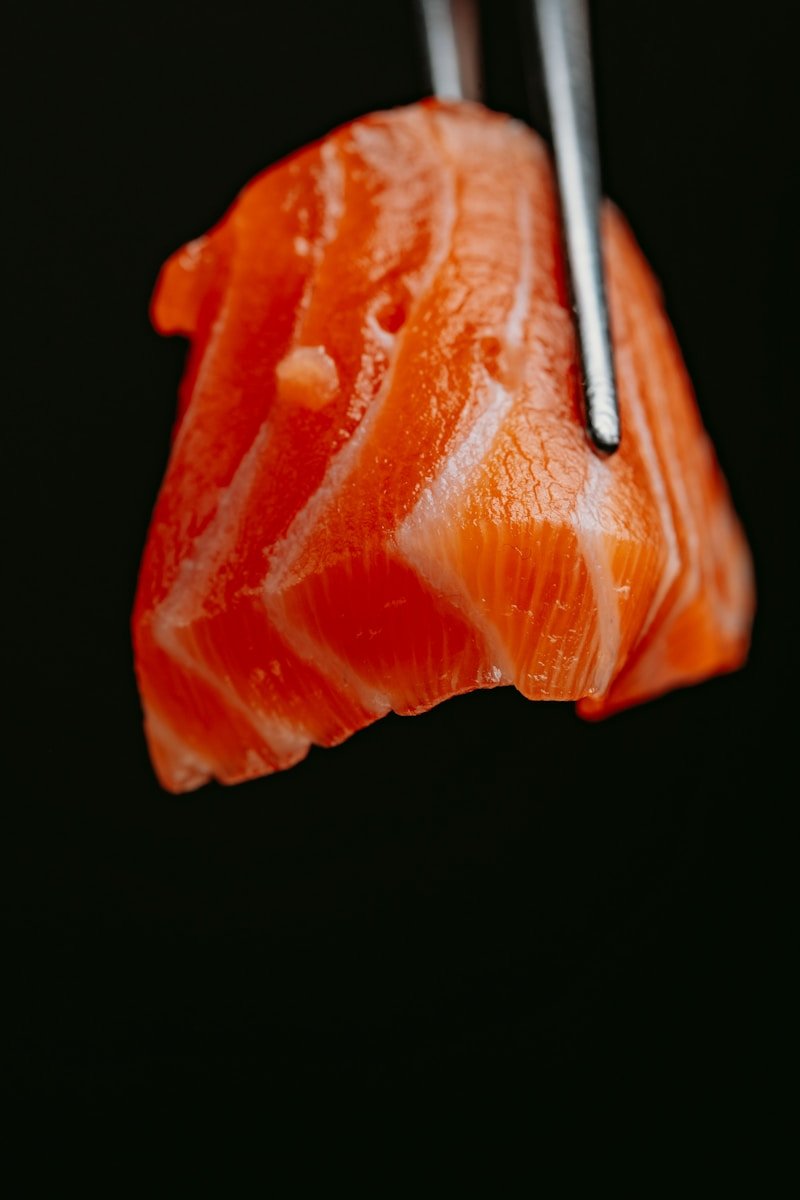
    2. Salmon
      Rich in omega-3 fatty acids, salmon reduces inflammation and lowers blood pressure, making it one of the top heart-healthy proteins you can eat.
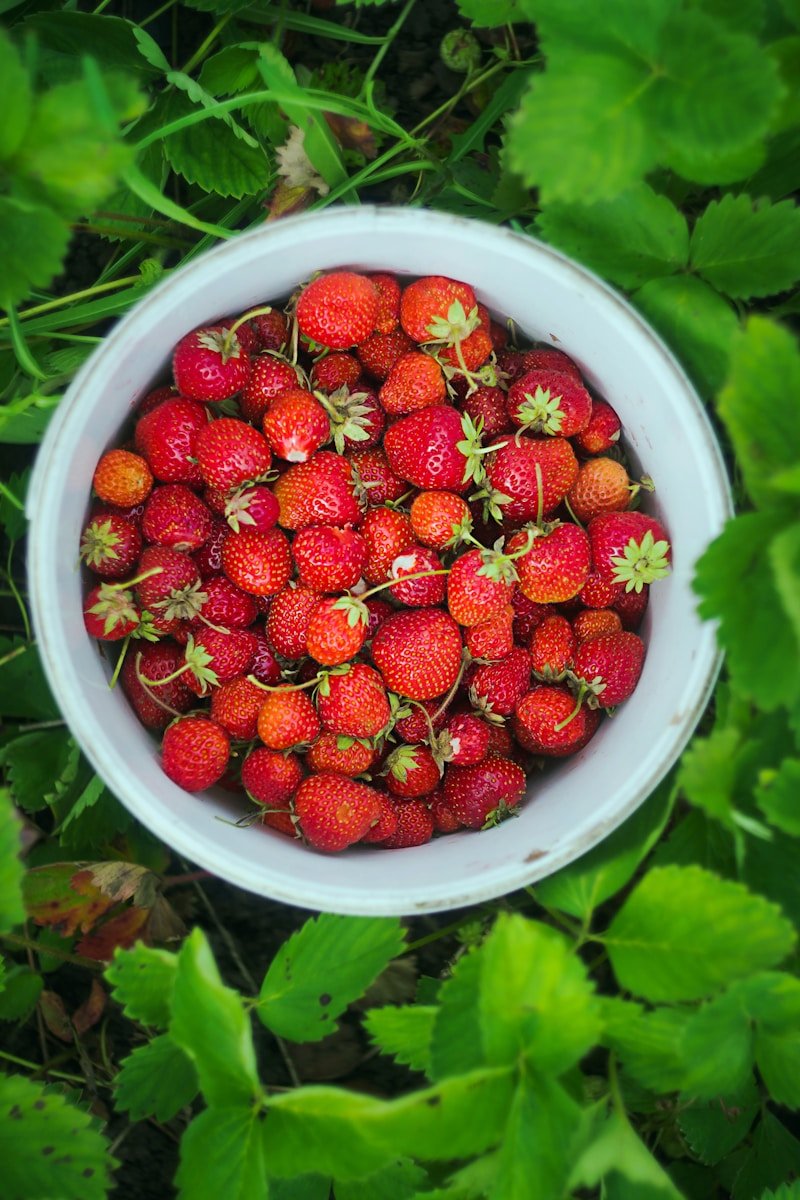
    3. Berries
      Strawberries, blueberries, raspberries—you name it. Berries are loaded with antioxidants that protect your heart by reducing oxidative stress and inflammation.
    4. Avocados
      This creamy fruit is packed with monounsaturated fats that lower bad cholesterol and increase good cholesterol (HDL), improving overall heart health.
    5. Nuts
      Almonds, walnuts, and pistachios provide a perfect heart-healthy snack. They are full of healthy fats, fiber, and magnesium, which help regulate blood pressure and reduce cholesterol.
    6. Leafy Greens
      Spinach, kale, and Swiss chard are high in vitamins, minerals, and antioxidants like lutein and folate, which contribute to reducing heart disease risks.
    7. Olive Oil
      A staple of the Mediterranean diet, olive oil is rich in monounsaturated fats and antioxidants that reduce inflammation and lower the risk of heart disease.
    8. Tomatoes
      Tomatoes are loaded with lycopene, an antioxidant that fights free radicals, reducing the risk of heart disease and improving overall cardiovascular health.
    9. Dark Chocolate
      Craving something sweet? Dark chocolate, rich in flavonoids, has been shown to lower blood pressure and improve circulation when consumed in moderation.
    10. Legumes
      Beans, lentils, and chickpeas are excellent plant-based sources of protein, fiber, and potassium, which help lower blood pressure and improve heart health.
    11. Garlic
      This kitchen staple isn’t just for flavor; garlic contains allicin, a compound that can lower cholesterol and blood pressure, reducing heart disease risks.
    12. Sweet Potatoes
      Rich in potassium, fiber, and antioxidants, sweet potatoes help lower blood pressure and support heart health while providing a deliciously sweet alternative to regular potatoes.
    13. Whole Grains
      Brown rice, quinoa, and whole wheat bread are packed with fiber and nutrients that help lower cholesterol and prevent heart disease.
    14. Oranges
      These citrus fruits are rich in vitamin C, potassium, and fiber, all of which contribute to lower blood pressure and improved heart function.
    15. Flaxseeds
      Flaxseeds are tiny, but they pack a punch with their high levels of omega-3 fatty acids and fiber, both of which protect against heart disease.
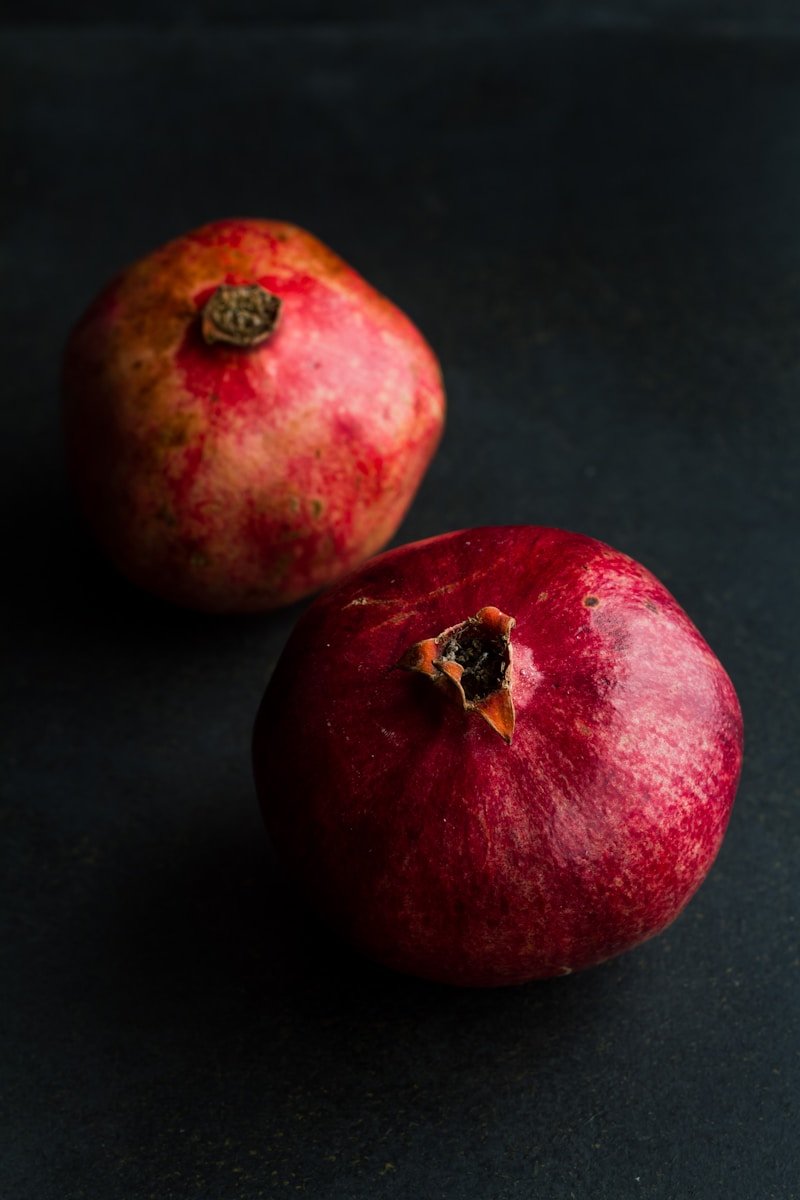
    16. Pomegranates
      This vibrant fruit contains punicalagins and anthocyanins, antioxidants that reduce inflammation and improve cholesterol levels.
    17. Red Wine
      In moderation, red wine can be heart-healthy due to its high levels of resveratrol, an antioxidant that helps protect the lining of your arteries.
    18. Green Tea
      Full of catechins, green tea reduces cholesterol levels and improves blood vessel function, making it a heart-boosting beverage of choice.
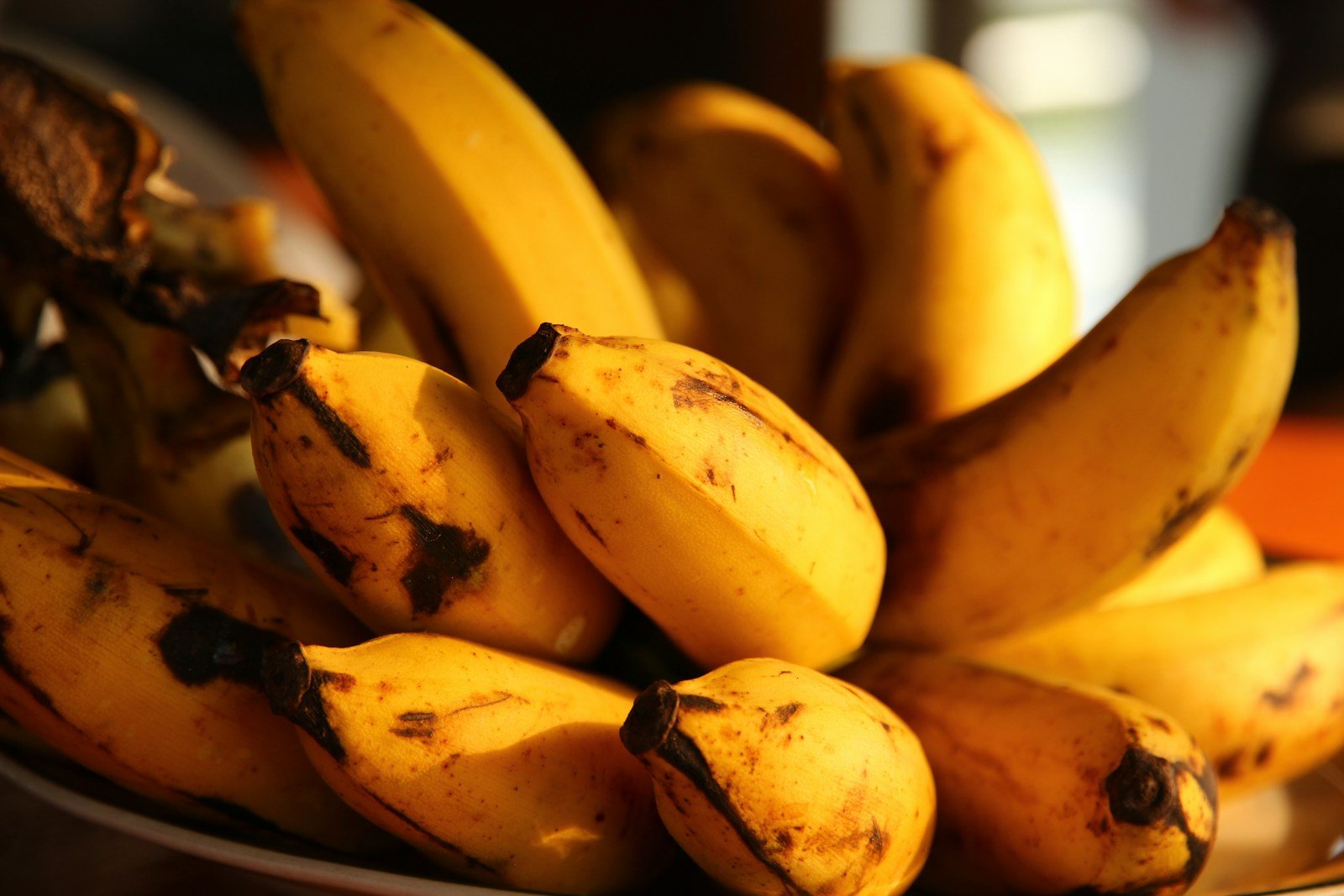
    19. Bananas
      Rich in potassium, bananas help control blood pressure, which reduces the strain on your heart and arteries.
    20. Chia Seeds
      Chia seeds are a great source of omega-3s, fiber, and protein, all of which work together to reduce inflammation and support heart health.
    21. Dark Leafy Herbs
      Basil, parsley, and cilantro are not only flavorful additions to meals but also full of antioxidants that help protect your heart.

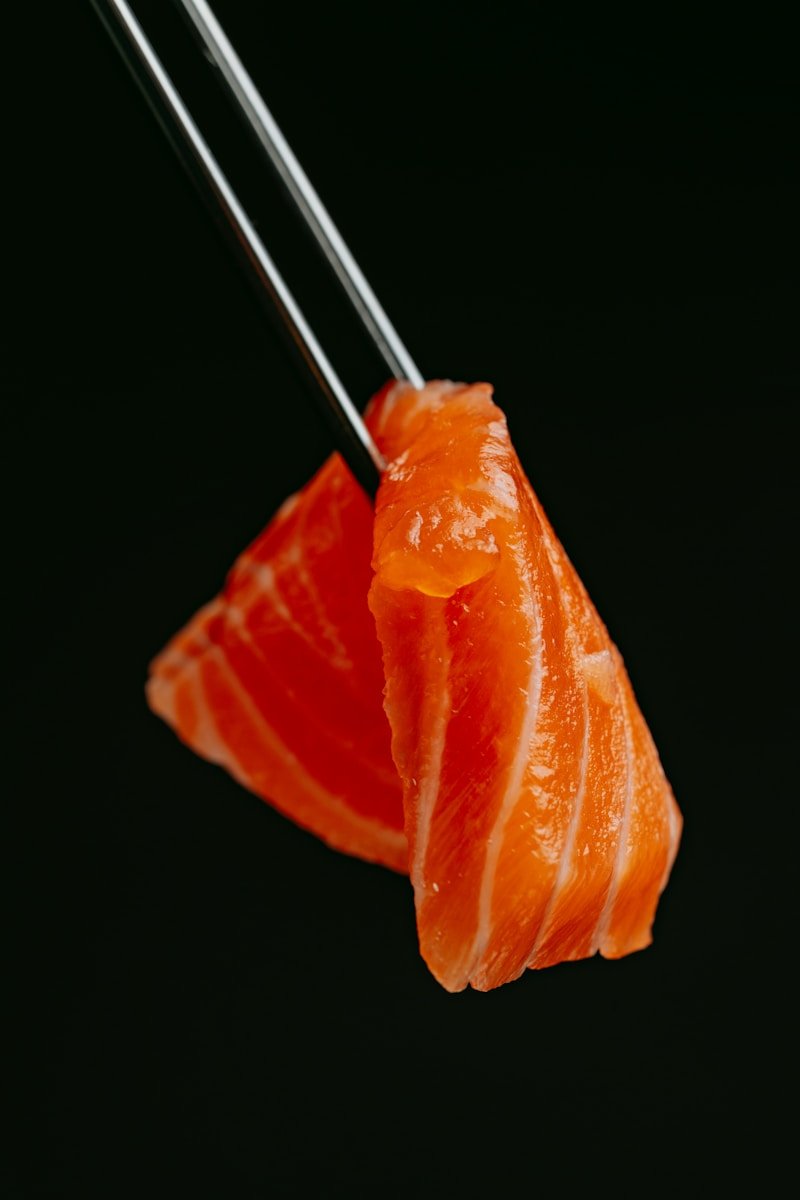
    a piece of sushi with chopsticks sticking out of it
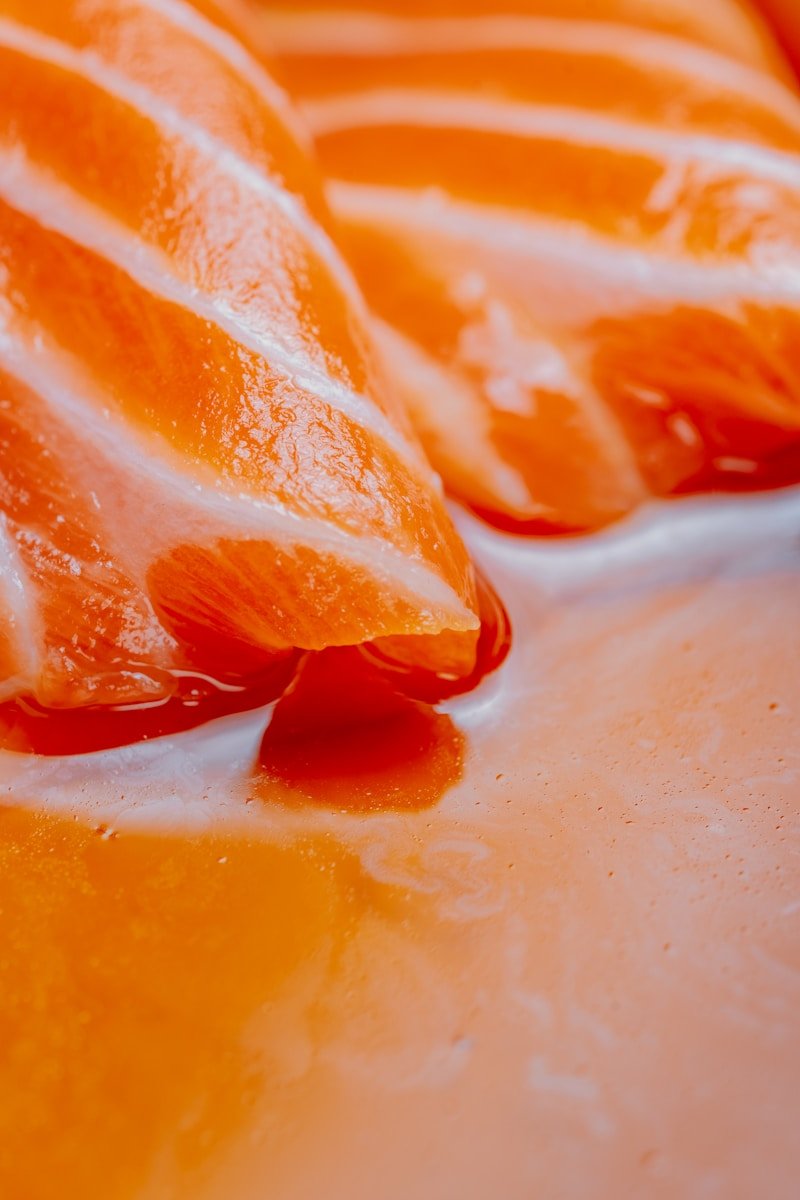
    a close up of some fish on a table
    a white plate topped with fish and veggies
    a piece of sushi with chopsticks sticking out of it
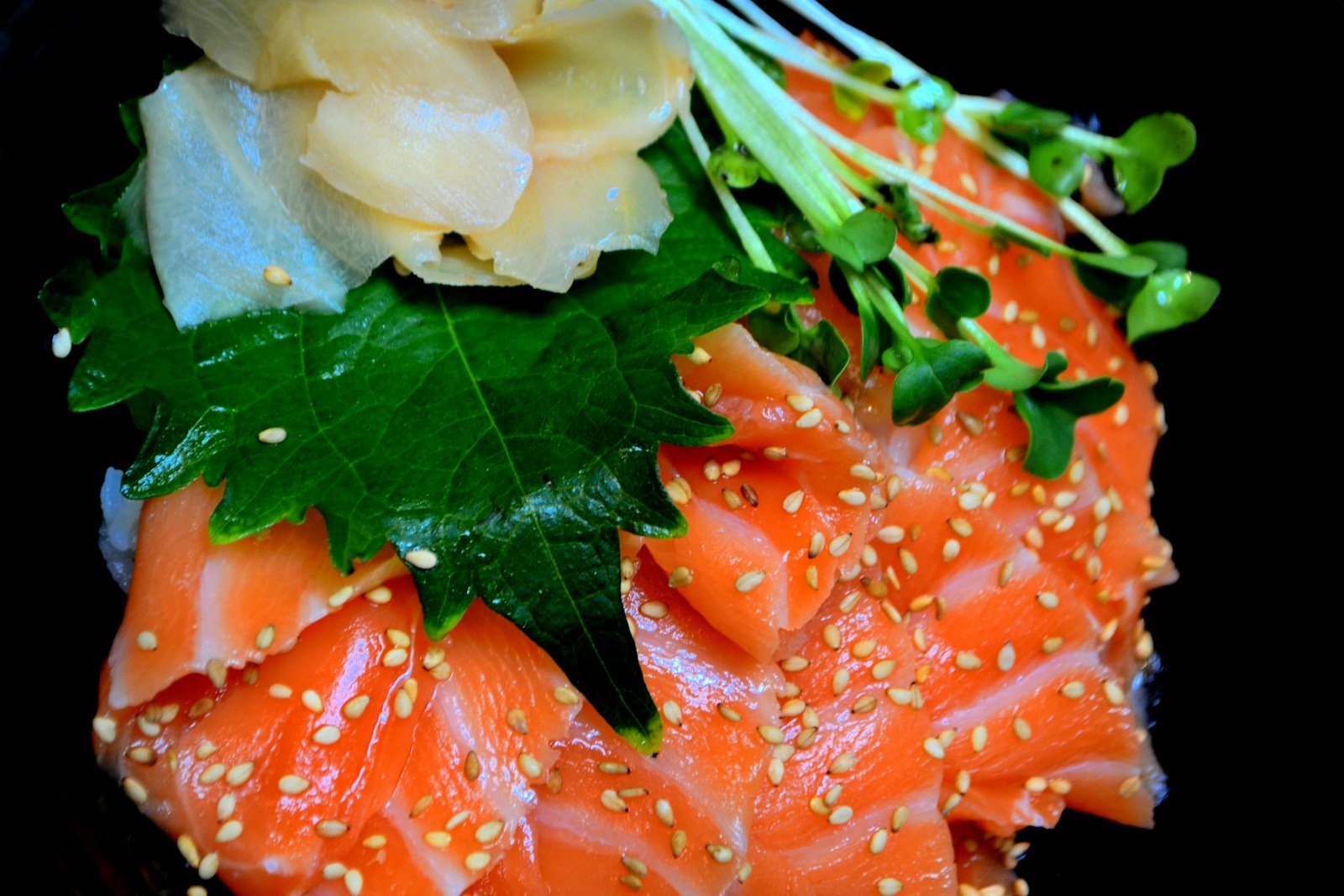
    a close up of a plate of food with salmon
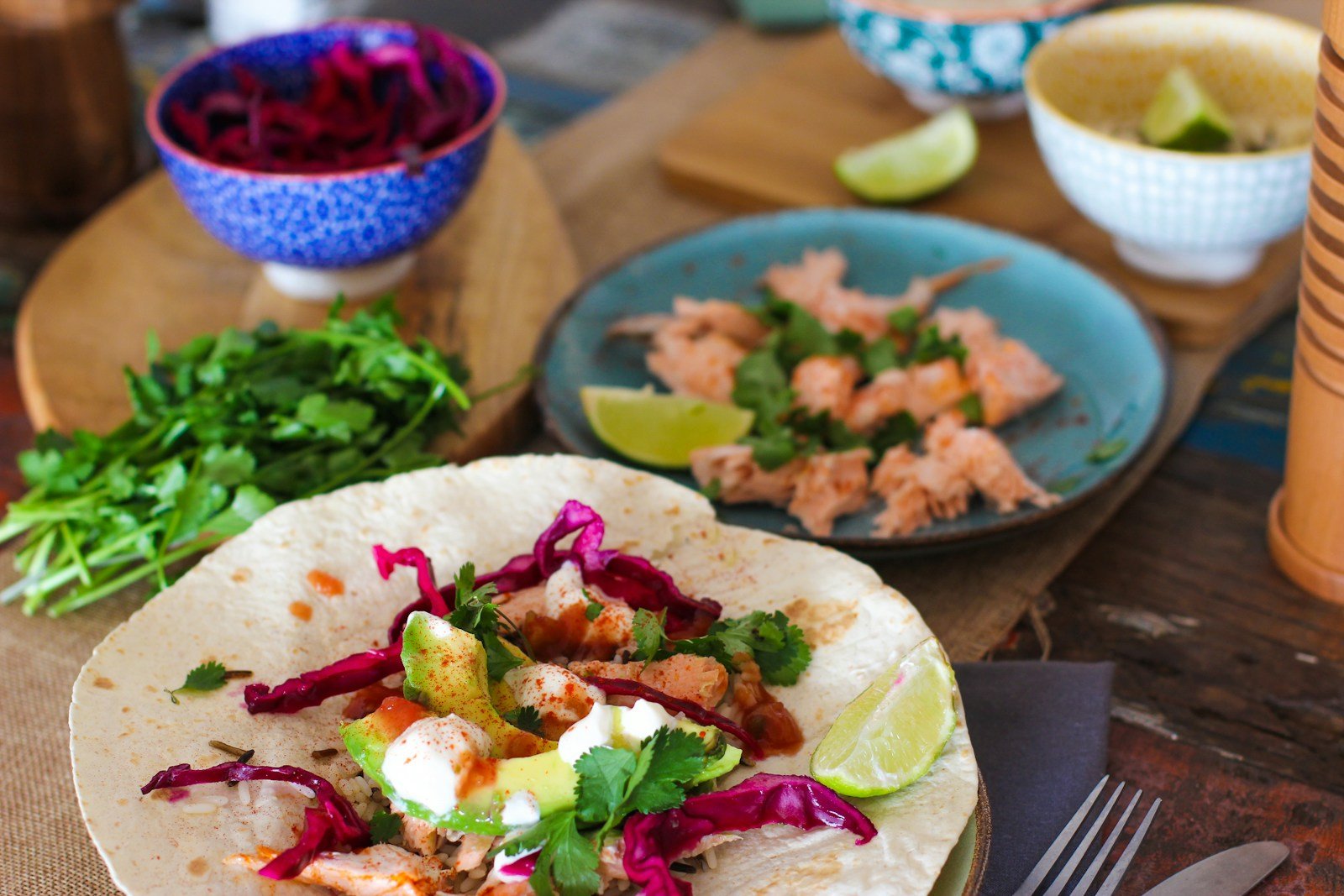
    A plate of food on a wooden table
    plate of vegetable salads
    roast meat top with slice limes

    Eat Smart, Live Strong

    Incorporating these 21 foods into your diet doesn’t just benefit your taste buds; it helps protect your most vital organ—your heart. By making small, consistent changes to your diet, you can lower your risk of heart disease, improve your overall health, and live a longer, more vibrant life. Your heart works hard for you—now it’s time to return the favor.

  • Balanced Diet: Your Key to Optimal Health

    Balanced Diet: Your Key to Optimal Health

    Ever wondered why some people seem to age gracefully, while others struggle with chronic illnesses? The answer often lies in their diet. A balanced diet is more than just eating right; it’s a cornerstone of overall well-being. It fuels your body, boosts your energy levels, and helps prevent a host of diseases.

    Balanced Diet: What Is It and How to Achieve It

    What is a Balanced Diet?

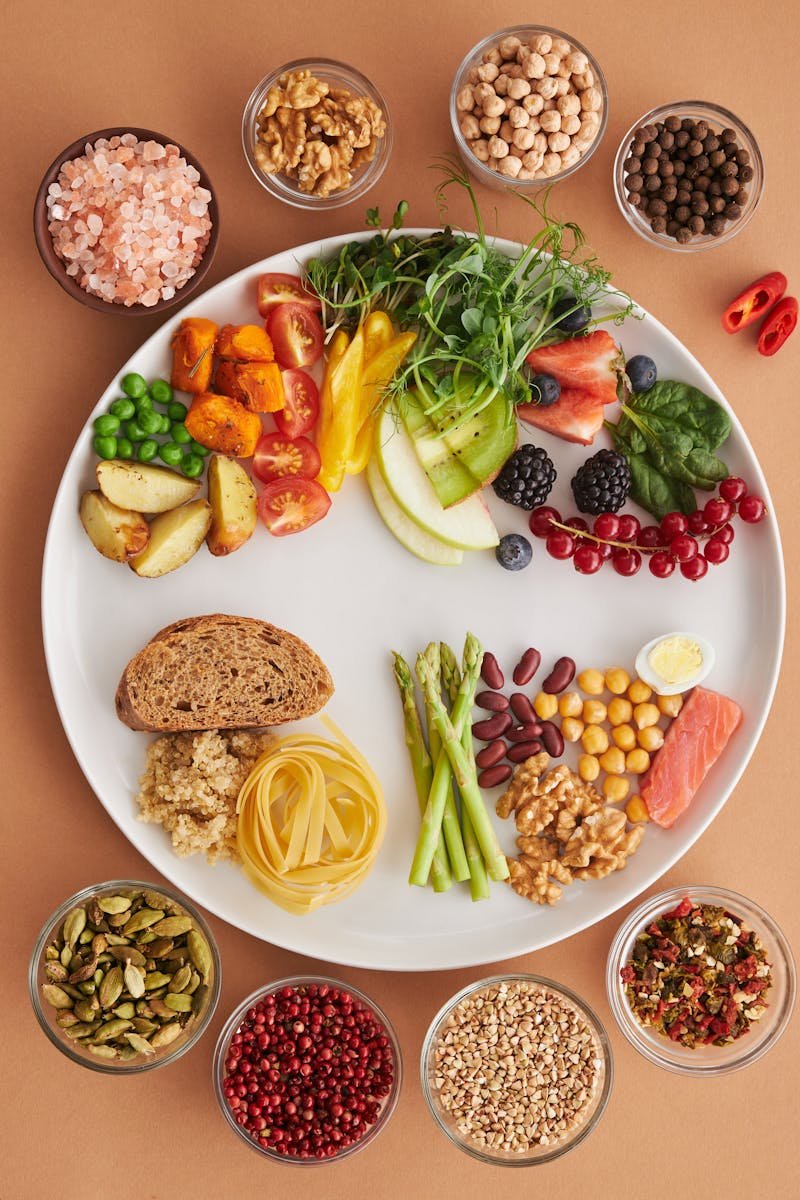
    A balanced diet is one that provides your body with all the essential nutrients it needs in the right proportions. This includes:

    • Carbohydrates: The primary source of energy for your body.
    • Proteins: Essential for building and repairing tissues.
    • Fats: Necessary for energy, hormone production, and cell function.
    • Vitamins and Minerals: Micronutrients that regulate various bodily functions.
    • Fiber: Helps maintain digestive health and regulates blood sugar levels.

    Key Components of a Balanced Diet

    To achieve a balanced diet, aim to include these components in your meals:

    • Fruits and Vegetables: These are packed with vitamins, minerals, and fiber.
    • Whole Grains: Choose whole grains over refined grains for more fiber and nutrients.
    • Lean Proteins: Opt for sources like poultry, fish, beans, and lentils.
    • Healthy Fats: Incorporate sources like avocados, nuts, and seeds.
    • Dairy or Dairy Alternatives: For calcium and other nutrients.

    Tips for Achieving a Balanced Diet

    • Plan Your Meals: This helps you make healthier choices and avoid impulsive eating.
    • Cook at Home: Preparing your own meals gives you more control over the ingredients.
    • Read Food Labels: Be aware of added sugars, unhealthy fats, and sodium.
    • Listen to Your Body: Pay attention to hunger and fullness cues.
    • Stay Hydrated: Drink plenty of water throughout the day.
    Balanced Diet: What Is It and How to Achieve It

    Benefits of a Balanced Diet

    • Weight Management: A balanced diet can help you maintain a healthy weight.
    • Increased Energy: Adequate nutrition fuels your body and keeps you feeling energized.
    • Improved Mood: A balanced diet can positively impact your mental health.
    • Reduced Risk of Chronic Diseases: A healthy diet can lower your risk of heart disease, diabetes, and certain types of cancer.
    • Enhanced Overall Well-being: A balanced diet contributes to a better quality of life.

    Remember, a balanced diet is a journey, not a destination. It’s about making sustainable choices that support your overall health and well-being. By prioritizing nutritious foods and listening to your body’s needs, you can enjoy the many benefits of a balanced diet.

  • Benefits of Healthy Eating for Adults

    Have you ever felt sluggish, irritable, or just plain off? Often, these feelings can be traced back to our diet. Our bodies are complex machines, and they require fuel to function optimally. That fuel comes from the food we eat. A healthy diet is not just about looking good; it’s about feeling great, both physically and mentally.

    The Benefits of Healthy Eating for Adults

    Why is Healthy Eating Important for Adults?

    1. Weight Management: A balanced diet can help you maintain a healthy weight, reducing the risk of obesity-related diseases like heart disease, diabetes, and stroke.
    2. Increased Energy: When you provide your body with the nutrients it needs, you’ll have more energy to tackle your daily tasks.
    3. Improved Mood: Certain nutrients, such as omega-3 fatty acids and B vitamins, have been linked to better mood and reduced stress.
    4. Stronger Immune System: A healthy diet helps your body fight off infections and diseases.
    5. Healthy Skin and Hair: Adequate nutrition is essential for healthy skin and hair.
    6. Better Sleep: A balanced diet can improve sleep quality, helping you feel more rested and refreshed.
    7. Reduced Risk of Chronic Diseases: A healthy diet can lower your risk of chronic diseases like heart disease, stroke, diabetes, and certain types of cancer.
    The Benefits of Healthy Eating for Adults

    What Does a Healthy Diet Look Like?

    A healthy diet includes:

    • Fruits and Vegetables: These are packed with vitamins, minerals, and fiber.
    • Whole Grains: Choose whole grains over refined grains for more fiber and nutrients.
    • Lean Proteins: Opt for sources like poultry, fish, beans, and lentils.
    • Healthy Fats: Incorporate sources like avocados, nuts, and seeds.
    • Dairy or Dairy Alternatives: For calcium and other nutrients.

    Tips for Healthy Eating

    • Plan Your Meals: This helps you make healthier choices and avoid impulsive eating.
    • Cook at Home: Preparing your own meals gives you more control over the ingredients.
    • Read Food Labels: Be aware of added sugars, unhealthy fats, and sodium.
    • Listen to Your Body: Pay attention to hunger and fullness cues.
    • Stay Hydrated: Drink plenty of water throughout the day.
    The Benefits of Healthy Eating for Adults
    The Benefits of Healthy Eating for Adults
    The Benefits of Healthy Eating for Adults

    Remember, a healthy diet is a journey, not a destination. It’s about making sustainable choices that support your overall health and well-being. By nourishing your body with the right foods, you’ll be investing in a healthier, happier future.