Author: SELFISH WORLD

  • 3 Mistakes Killing Your Pull Down Exercise Gains

    3 Mistakes Killing Your Pull Down Exercise Gains

    Why Your Pull Down Progress Feels Stuck (Even If You Train Hard)

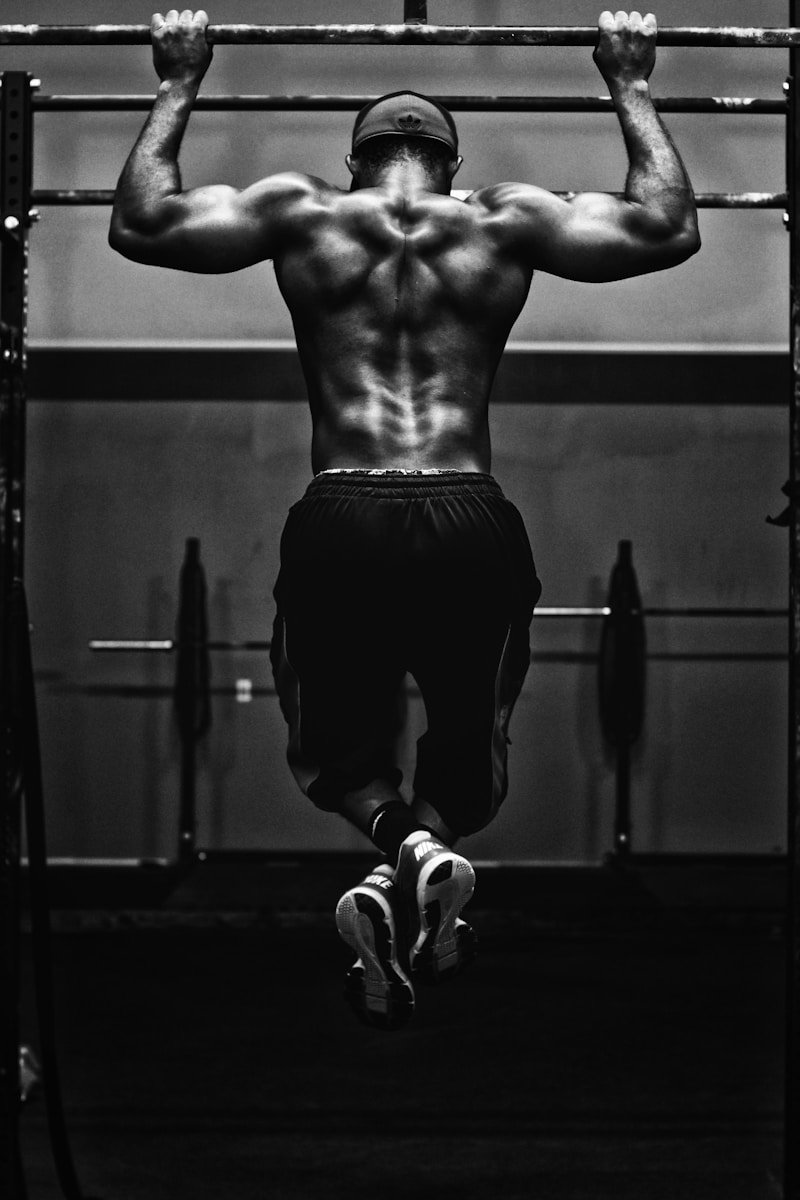
    Most people don’t realize their pull down problem isn’t effort, it’s execution. You show up, sweat hard, increase weights, and still your back refuses to grow. That frustration feels exactly like using powerful AI tools without knowing prompt engineering, where effort exists but results don’t.

    Pull downs reward precision more than aggression. If your lats aren’t firing the way they should, every rep becomes wasted bandwidth. Think of it like marketing automation gone wrong: systems running, money spent, but no conversion happening where it actually matters.

    Here’s the real reason progress stalls. Three small mistakes silently compound over weeks, turning a great exercise into a shoulder pump with zero back gains. Fixing them doesn’t require fancy machines, just smarter execution.

    Mistake #1: Treating Pull Downs Like a Weight-Lifting Contest

    Pull Down Exercise Mistakes

    Ego Lifting and Momentum Abuse

    You’ve seen it, maybe done it yourself. Stack loaded, body swinging, half reps flying. It feels productive, but it’s the fitness version of keyword stuffing in SEO. Heavy weight without control doesn’t build muscle; it builds illusions.

    Momentum steals tension from your lats and gives it to gravity. Your arms and hips do the work while your back watches. Most people don’t realize they’re training movement, not muscle.

    Why Muscle Tension Matters More Than Load

    Muscle grows from tension held under control, not plates slapped on a cable. Pull downs respond best when the muscle stays engaged from stretch to contraction. Load is just a tool, not the goal.

    Think of tension like high-quality content creation. A lighter weight with intent converts better than heavy noise with no signal. Your lats don’t understand numbers; they understand resistance over time.

    The Mind–Muscle Connection Most People Ignore

    If you can’t feel your lats pulling your elbows down, something’s off. The mind–muscle connection isn’t mystical; it’s neurological efficiency. It’s similar to training ChatGPT with better prompts instead of more prompts.

    Slowing the negative and pausing at the bottom instantly improves activation. This small tweak alone fixes more pull down issues than any advanced technique.

    How This Mistake Quietly Destroys Back Activation

    When ego lifting becomes a habit, your nervous system learns shortcuts. Shoulders dominate, arms fatigue, and your back remains under-stimulated. Over time, your progress graph flattens without warning.

    This is where most lifters fail. They think effort equals results, when strategy actually decides outcomes.

    Mistake #2: Using the Wrong Grip, Path, and Range of Motion

    Pull Down Exercise Mistakes

    Grip Width Myths and What Actually Works

    Wide grip doesn’t automatically mean wider lats. For many lifters, extreme width reduces range of motion and shoulder stability. A slightly wider-than-shoulder grip usually offers better leverage and control.

    Grip choice should match your structure, not Instagram trends. Just like AI tools, effectiveness depends on correct use, not popularity.

    Bar Path Errors That Shift Tension Away From Lats

    Pulling the bar straight down without intention often leads it to drift toward the chin or stomach. This shifts stress onto the arms and upper traps. The lats thrive when elbows move down and slightly back.

    The bar is just the interface. The real action happens at the elbow joint, not the hands.

    Why Pulling to the Chest Changes Everything

    Bringing the bar to upper chest height encourages scapular depression. This movement lights up the lats like flipping the right switch in a productivity workflow. Suddenly, the right muscles take over.

    Chest-level pulls also limit cheating. You physically can’t swing as much, forcing cleaner reps.

    Partial Reps vs Productive Reps

    Half reps keep tension where it’s easiest, not where it’s effective. Full stretch at the top and full contraction at the bottom create the growth signal. Anything less is incomplete data.

    Partial reps have a place, but only when intentional. Most people use them accidentally, which kills long-term gains.

    Mistake #3: Training Pull Downs Without a Strategy

    Pull Down Exercise Mistakes

    Random Sets, Random Results

    If your pull down approach changes every session, progress becomes unpredictable. One day heavy, one day light, one day rushed. That’s not training, that’s improvisation.

    Muscle growth responds to patterns. Just like content marketing or freelancing income, consistency beats chaos.

    Volume, Frequency, and Recovery Balance

    More sets don’t always equal more growth. Excessive volume without recovery dulls performance and stalls strength. Pull downs work best when trained with intention, not exhaustion.

    Two to three focused sessions per week outperform daily sloppy work. Recovery is part of the program, not a weakness.

    Why More Sets Isn’t Always Better

    Every set carries a recovery cost. When fatigue outweighs stimulus, gains stop. This is similar to over-automating marketing systems until nothing actually improves.

    Smart lifters optimize, not overload. Quality reps scale better than endless volume.

    Progressive Overload Without Burning Out

    Progressive overload doesn’t mean adding weight every week. It can be slower negatives, better control, or improved reps. These micro-progressions keep joints healthy and growth steady.

    Think of it like prompt refinement. Small improvements compound faster than reckless changes.

    How Smart Lifters Fix These Mistakes Faster Than Everyone Else

    Pull Down Exercise Mistakes

    Borrowing Frameworks From Productivity and AI Thinking

    Smart lifters treat training like a system. They analyze feedback, adjust variables, and eliminate inefficiencies. This mirrors how marketers refine funnels or creators optimize AI-generated content.

    The exercise stays the same. The execution evolves.

    Treating Training Like a System, Not a Session

    One great workout doesn’t matter. Ten average workouts don’t either. Progress comes from repeatable quality over time.

    When you fix pull downs systematically, gains follow automatically.

    The Pull Down Optimization Checklist (Practical Fixes You Can Apply Today)

    Lower the weight slightly and slow every rep. Pull elbows down, not hands. Pause briefly at the bottom and control the stretch. Use a grip that allows a full range without strain.

    Track performance, not just load. If reps feel better and activation improves, you’re winning. These small changes outperform any new machine or variation.

    Final Thoughts: Why Pull Downs Reward Precision, Not Brutality

    Pull downs don’t respond to ego. They respond to control, intention, and structure. Once you remove these three mistakes, progress feels effortless and predictable.

    Most people chase intensity. Smart lifters chase execution. That’s the difference between spinning wheels and building a back that actually grows.

    FAQs

    Why do I feel pull downs more in my arms than in my back?

    This usually happens when momentum and grip dominate the movement. Your arms take over when elbows aren’t driving down deliberately. Lowering the weight and slowing reps restores proper lat engagement quickly.

    Is the wide-grip pull down better for lat width?

    Not always. Excessively wide grips often limit the range of motion and reduce tension. A moderate grip with full control produces better width over time for most lifters.

    How heavy should I go on pull downs for muscle growth?

    Heavy enough to challenge you, light enough to control. If you can’t pause and feel your lats contract, the weight is too heavy, regardless of numbers.

    4. How often should I train pull downs each week?

    Two to three focused sessions work best for most people. Recovery matters as much as stimulation, especially for back muscles that assist many other lifts.

    Can improving pull downs help other lifts?

    Yes. Stronger, better-activated lats improve rows, deadlifts, and even pressing stability. Pull-downs build a foundation that carries into multiple movements.

    Also read:
    Top 7 Gym Mistakes Beginners Make (and How to Avoid Them)
    Beginner Calisthenics Workout

  • 15 Most Beautiful Plus-Size Models in the World

    Forget everything you thought you knew about beauty standards. In a world where authenticity and confidence reign supreme, these beautiful plus-size models are redefining what it means to be a supermodel. They are not just breaking boundaries; they are creating a powerful new movement in fashion. Get ready to meet the most influential and beautiful models who are captivating the industry and inspiring millions.

    The rise of the plus-size models is a testament to the fact that true beauty comes in all shapes and sizes. From gracing the covers of iconic magazines to walking the runways for the world’s biggest brands, these 15 women are not only revolutionizing fashion—they are proving that beauty is truly limitless.

    9 Effective Ways to Lose Arm Fat

    Meet the 15 Most Beautiful Plus-Size Models in the World

    1. Ashley Graham

    NameAshley Graham
    Age37
    HometownLincoln, Nebraska
    Current TownBrooklyn, NY
    AgencyIMG Models
    Key Career HighlightFirst size 14 model on the cover of the Sports Illustrated Swimsuit Issue.

    Ashley Graham is an undisputed queen of the modeling world. More than a model, she is a powerful advocate for body positivity and self-acceptance. After making history as the first size 14 model to grace the cover of the Sports Illustrated Swimsuit Issue, she has been a consistent force on the runways and in campaigns for brands like Dolce & Gabbana and Michael Kors. Her work as a television host and author has cemented her status as a global icon and a true inspiration to women everywhere.

    15 Most Attractive Plus Size Models: Celebrating Curves and Confidence

    2. Precious Lee

    NamePrecious Lee
    Age35
    HometownAtlanta, Georgia
    Current TownNew York, NY
    AgencyIMG Models
    Key Career HighlightFirst Black curve model to walk for Versace.

    With her striking presence and powerful walk, Precious Lee has become one of the most in-demand models of our time. Her journey to the top has been trailblazing, as she broke barriers by becoming the first Black curve model to walk for major fashion houses like Versace and Moschino. A champion of diversity and authentic representation, Precious uses her platform to advocate for a more inclusive industry, proving that beauty and power go hand-in-hand.

    3. Paloma Elsesser

    NamePaloma Elsesser
    Age33
    HometownLondon, England
    Current TownBrooklyn, NY
    AgencyIMG Models
    Key Career HighlightNamed Models.com “Model of the Year” by her industry peers.

    Discovered on Instagram, Paloma Elsesser quickly rose to prominence and has become a muse for some of the biggest names in fashion. Her effortless style and authentic personality have made her a favorite of brands like Fenty, Nike, and Fendi. She’s been a powerful voice for body acceptance and was recognized by her peers as Models.com “Model of the Year” in 2020, a testament to her influence and impact on the industry.

    4. Candice Huffine

    NameCandice Huffine
    Age40
    HometownGeorgetown, D.C.
    Current TownBrooklyn, NY
    AgencyIMG Models
    Key Career HighlightFirst plus-size woman to be featured in the iconic Pirelli Calendar.

    Candice Huffine has been a pioneer in the plus-size modeling industry for over a decade. Her career is marked by a series of firsts, including being the first plus-size model to be featured in the Pirelli Calendar and being a part of the trailblazing #ImNoAngel campaign. A passionate advocate for health and fitness, Candice’s commitment to self-love and body positivity extends beyond the runway, inspiring her followers to embrace an active lifestyle.

    5. Denise Bidot

    NameDenise Bidot
    Age39
    HometownMiami, Florida
    Current TownNew York, NY
    AgencyMuse Model Management
    Key Career HighlightFirst plus-size model to walk two runways at NYFW for straight-size brands.

    Denise Bidot’s motto, “There is no wrong way to be a woman,” has resonated with millions. As a veteran of the industry, she has been at the forefront of the body-positive movement, making history by walking the runway for brands that had previously only featured straight-size models. Her powerful advocacy and unfiltered approach to life have made her a role model for women of all ages and sizes.

    6. Iskra Lawrence

    NameIskra Lawrence
    Age34
    HometownWorcestershire, UK
    Current TownAustin, Texas
    AgencyJAG Models
    Key Career HighlightServed as a global ambassador for Aerie and co-founded the SELF Foundation.

    Iskra Lawrence is a tireless advocate for self-love and against photo retouching. She has dedicated her career to challenging unrealistic beauty standards and inspiring a generation to embrace their bodies just as they are. As a global role model for Aerie and the founder of the SELF Foundation, she has built a powerful community around authenticity and mental well-being, proving that her influence extends far beyond her work as a model.

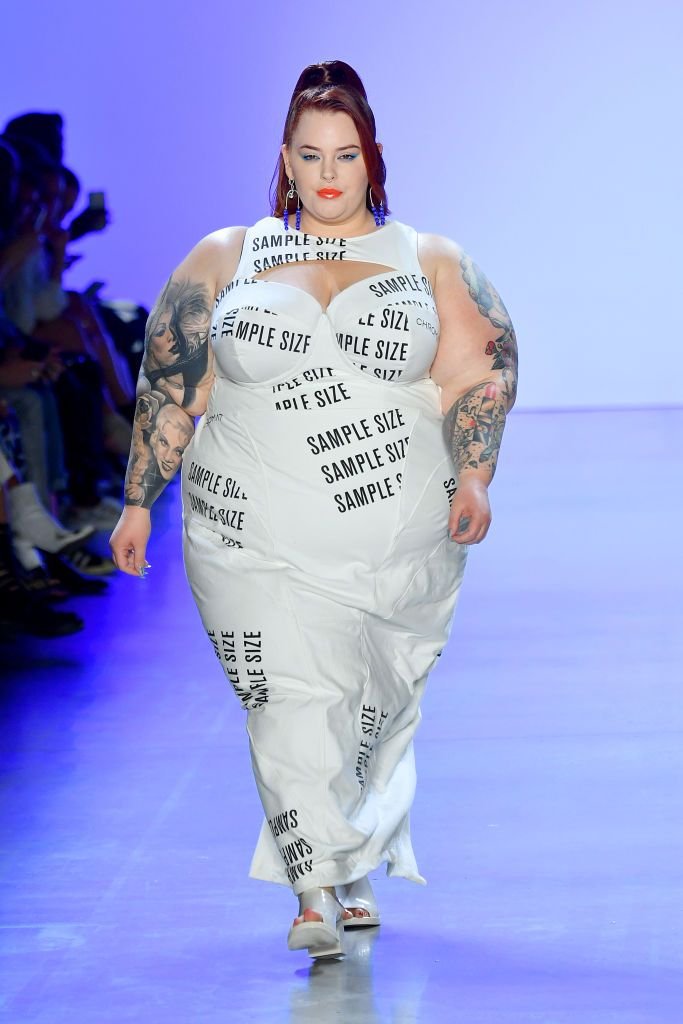
    7. Tess Holliday

    NameTess Holliday
    Age39
    HometownLaurel, Mississippi
    Current TownLos Angeles, CA
    AgencyMilk Management
    Key Career HighlightCreator of the viral body-positive movement #effyourbeautystandards.

    Tess Holliday is a fearless pioneer who has redefined what a model can be. As the creator of the viral #effyourbeautystandards movement, she has built a global community around the message of radical self-love and acceptance. With her unique look and rebellious spirit, Tess has become one of the most recognizable faces in the industry, proving that confidence is the ultimate fashion statement.

    8. Jill Kortleve

    NameJill Kortleve
    Age31
    HometownAmsterdam, Netherlands
    Current TownAmsterdam, Paris, & Portugal
    AgencyWomen Image Models
    Key Career HighlightFirst plus-size model to walk for Chanel in over a decade.

    Jill Kortleve’s rise to the top has been nothing short of meteoric. The Dutch model has shattered boundaries by walking for iconic fashion houses like Alexander McQueen, Valentino, and Fendi. Most notably, she was the first plus-size model to walk for Chanel in over a decade. Her cool, edgy style and powerful presence on the runway have made her a standout in the fashion world, showcasing that high fashion is for every body.

    9. Hunter McGrady

    NameHunter McGrady
    Age31
    HometownLos Angeles, CA
    Current TownNew York, NY
    AgencyOne Management
    Key Career HighlightDubbed the “curviest model ever” to appear in Sports Illustrated Swimsuit Issue.

    Hunter McGrady has a radiant energy that is impossible to ignore. A tireless champion of body positivity and a staple in the Sports Illustrated Swimsuit Issue, she has consistently used her platform to promote self-acceptance. Beyond modeling, Hunter is an accomplished entrepreneur with her own clothing line, “All Worthy,” and a passionate advocate for mental health and well-being.

    10. Robyn Lawley

    NameRobyn Lawley
    Age35
    HometownGirraween, Australia
    Current TownTopanga Canyon, CA
    AgencyFord Models
    Key Career HighlightFirst plus-size model to be featured in a Ralph Lauren campaign.

    Robyn Lawley is an Australian trailblazer who was one of the first models to successfully bridge the gap between straight-size and plus-size fashion. Her stunning beauty and timeless appeal have landed her campaigns with major brands like Ralph Lauren, and she has been featured on the covers of countless international magazines. A fierce advocate for body diversity and against the use of the term “plus-size,” Robyn’s influence has shaped the conversation around body image for over a decade.

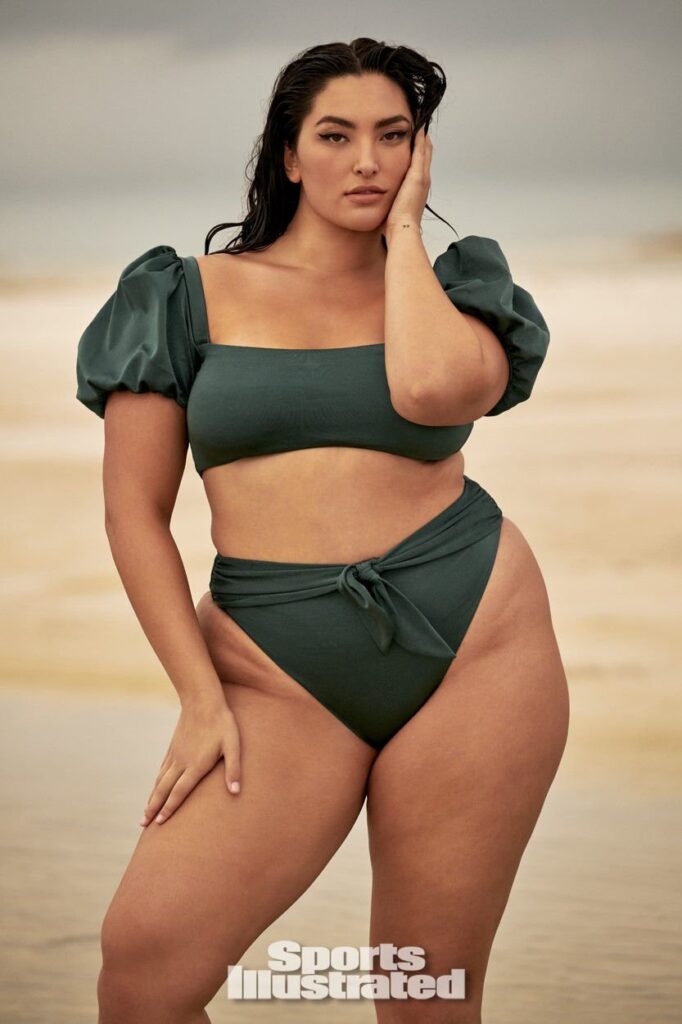
    11. Yumi Nu

    NameYumi Nu
    Age28
    HometownEnglewood, New Jersey
    Current TownNew York, NY & Los Angeles, CA
    AgencyThe Society Management
    Key Career HighlightFirst Asian-American plus-size model on the cover of Sports Illustrated Swimsuit Issue.

    Yumi Nu’s career is a testament to the power of breaking barriers. As a model, musician, and advocate, she has shattered stereotypes and made history by becoming the first Asian-American plus-size model to grace the cover of the Sports Illustrated Swimsuit Issue. Yumi’s captivating presence and dedication to honest storytelling make her a powerful and resonant voice in the industry, inspiring her fans to embrace their multi-faceted identities.

    12. Lauren Chan

    NameLauren Chan
    Age34
    HometownBrantford, Canada
    Current TownNew York, NY
    AgencyFormerly Ford Models
    Key Career HighlightFounder of the plus-size brand Henning and a queer advocate.

    Lauren Chan has seamlessly transitioned from a successful model and fashion editor into a groundbreaking entrepreneur. After working in the industry for years, she founded her own luxury plus-size brand, Henning, to provide stylish, high-quality options for women of all sizes. Her work as a trailblazing model and a powerful voice for the queer community has made her a true innovator and a force for change in the fashion world.

    Pages: 1 2

  • 10 Inspirational Stories of People Who Transformed Their Lives Through Fitness

    10 Inspirational Stories of People Who Transformed Their Lives Through Fitness

    Change is never easy, but sometimes, all it takes is an inspiring story to spark transformation. These ten individuals redefined their futures by committing to fitness, proving that no matter where you start, a healthier, happier life is possible. These are tales of resilience, grit, and the life-altering power of movement.

    Whether you’re starting your fitness journey, struggling to stay motivated, or simply curious about the human spirit, these stories will leave you inspired.

    1. From Couch to Marathon – Sarah’s Journey

    Sarah had never run a day in her life, but at 41 and feeling out of shape, she decided it was time for a change. Guided by a couch-to-5K training app, her initial goal was simply to jog for 10 minutes without stopping.

    Two years later, Sarah crossed the finish line of her first marathon. She credits her success to starting small and gradually increasing her endurance. Today, running is her therapy, her passion, and proof that it’s never too late to lace up and go.

    Takeaway:

    Set achievable goals and celebrate progress. Small steps lead to big milestones.

    2. Reclaiming Life After an Injury – Tom’s Comeback

    Tom, a construction worker, suffered a debilitating back injury that left him bedridden. He spiraled into depression and gained significant weight. A physical therapist introduced him to resistance training as part of his recovery.

    It took months of incremental progress, but Tom regained not only his physical mobility but also his confidence. Today, he’s an advocate for adaptive fitness and shares his story to inspire others recovering from injuries.

    Takeaway:

    The path to recovery is tough, but with patience, dedication, and the right support, transformation is entirely possible.

    3. A 100-Pound Weight Loss – Jessica’s Revelation

    Fitness

    At 280 pounds, Jessica struggled with self-esteem and health issues. She decided to make a change when a routine health check revealed serious risks of diabetes. With guidance from a nutritionist and a personal trainer, she started strength training and cut back on processed foods.

    Two years later, Jessica had lost 100 pounds and gained incredible self-confidence. But what she values most is her newfound energy and zest for life.

    Takeaway:

    When fitness meets proper nutrition, the results can be life-changing.

    4. Overcoming Anxiety Through Yoga – Priya’s Peace

    Priya struggled with crippling anxiety, finding it impossible to quiet her thoughts. She reluctantly attended her first yoga class on a friend’s recommendation and was surprised by how calm she felt after.

    Months of consistent practice transformed her mental health. Priya now practices yoga daily, teaching others how mindfulness can be a powerful tool for emotional well-being.

    Takeaway:

    Fitness isn’t just about physical health—it’s a gateway to mental clarity and peace.

    5. A Parkinson’s Fighter – James’ Battle

    Diagnosed with Parkinson’s in his late 50s, James feared losing his independence. His doctor suggested boxing training to improve coordination. The intense workouts at his local gym gave him more than physical strength—they gave him hope.

    James now runs boxing classes tailored for individuals with Parkinson’s, empowering others who face similar challenges.

    Takeaway:

    Fitness can be a powerful tool to manage chronic conditions and improve quality of life.

    6. Breaking Stereotypes – Maria’s Weightlifting Journey

    At 65, Maria wanted to prove that aging doesn’t mean slowing down. She joined a local gym and started lifting weights with a personal trainer. What began as a casual hobby became her passion.

    Maria is now a competitive powerlifter, breaking records in her age group. She loves shattering stereotypes and encourages others to challenge perceptions of age and fitness.

    Takeaway:

    It’s never too late to start. Strength comes in all forms—and ages.

    7. Healing Through Movement – Ahmed’s Mental Health Revolution

    Ahmed battled depression for years, trying various therapies without success. It wasn’t until he began daily jogs in his neighborhood that he finally felt a shift.

    Over time, running became his outlet, helping him manage his mental health and regain control over his life. Ahmed recently completed a half marathon and credits fitness as a major component of his mental well-being.

    Takeaway:

    Fitness can be a lifeline, offering healing for both mind and body.

    8. A Teenager Turns to the Gym – Ethan’s Transformation

    Ethan faced years of bullying that crushed his self-esteem. At 16, he decided to channel his frustrations into weight training. His local gym became his sanctuary.

    Within a year, Ethan not only built physical strength but also gained confidence and self-respect. Today, he’s an advocate for youth fitness and mental health.

    Takeaway:

    Fitness can empower and restore confidence, especially for young individuals navigating tough times.

    9. From Desk Job to Ironman – Lisa’s Incredible Feat

    Lisa spent most of her 30s at a desk job, feeling sluggish and unmotivated. On a whim, she signed up for a sprint triathlon. Completing that race ignited a passion for endurance sports.

    Now in her 40s, Lisa has completed three Ironman competitions and says she’s stronger than she’s ever been. Fitness didn’t just improve her health—it gave her a bold new identity.

    Takeaway:

    Stepping out of your comfort zone can lead to incredible life adventures.

    10. Rebuilding After Addiction – Carlos’ Redemption

    Carlos spent much of his life battling substance abuse. After rehab, he turned to fitness as a way to rebuild his life. He started with daily walks and eventually moved on to high-intensity interval training (HIIT).

    Carlos now runs a fitness program for recovering addicts, using his story to inspire others. He views fitness as his anchor, keeping him grounded and focused on his future.

    Takeaway:

    Fitness can be a powerful tool for recovery, offering stability and a sense of purpose.

    How These Stories Inspire Us All

    The individuals in these stories transformed their lives through fitness, proving that it’s never too late—or too early—to make a change. Whether your goal is weight loss, improved mental health, or simply feeling more confident, fitness can be the powerful catalyst you need.

    Which story resonated with you most? Share your thoughts in the comments below or tag someone who needs a little inspiration today.

    If you’re ready to begin your transformation, start small. Whether it’s a walk around the block or your first yoga class, every step counts.

    Premium Content

    This article continues on the next page.

    Click to Watch Ad and Continue
  • How to Build Healthy Habits That Last Forever

    How to Build Healthy Habits That Last Forever

    Building a fitness routine that sticks can feel like an impossible task. You start with boundless motivation, but before long, life gets in the way. Why is it so hard to maintain those healthy habits, even when we know they’re good for us?

    The answer lies in understanding the psychology behind habit formation. By tapping into proven strategies and using science-backed techniques, you can create lasting fitness habits that feel natural and sustainable. This guide breaks down the key principles of fitness psychology and shows you how to start building habits that truly last.

    Why Do Fitness Habits Fail?

    Before we jump into solutions, it’s crucial to understand why so many fitness routines fizzle out.

    Unrealistic Expectations

    One of the biggest mistakes is setting goals that are too ambitious. For example, jumping from no physical activity to committing to an intense daily workout isn’t sustainable for most people. You’ll quickly feel overwhelmed or discouraged by the huge leap.

    Lack of a Clear Plan

    “Get fit” is a fantastic goal, but it’s vague. How do you measure success? Without clarity, it’s hard to track progress, and you’re more likely to give up.

    Relying on Motivation

    Motivation can be a powerful spark, but it isn’t a constant. Factors like stress, lack of sleep, or a busy schedule can drain your enthusiasm. When motivation dips, many people stop altogether.

    Viewing Fitness as a Chore

    When exercise feels like a punishment or an obligation, you associate it with negative feelings. Over time, you’ll naturally avoid doing it.

    The Science Behind Habit Formation

    Habits are powerful. According to research, about 40% of our daily actions are automatic habits. This means you can design routines to work for you, but it requires intentional effort in the beginning.

    What Are Habits?

    Psychologists describe habits as loops made up of three key components:

    1. Cue – A trigger that initiates the behavior.
    2. Routine – The behavior you want to adopt, like exercising or stretching.
    3. Reward – The feeling or tangible benefit you get afterward, which reinforces the habit.

    For example:

    • Cue: Laying out your workout clothes before bed.
    • Routine: Going for a 20-minute jog in the morning.
    • Reward: Feeling energized and clear-headed for the rest of the day.

    The more consistent this loop becomes, the more automatic it will feel.

    Pages: 1 2

  • How to Stay Motivated When You’re Not Seeing Results

    How to Stay Motivated When You’re Not Seeing Results

    Motivation can be tricky to maintain, especially when you’re working hard but not seeing the outcomes you hoped for. Whether you’re trying to get fit, grow a small business, learn a new skill, or achieve a personal goal, it’s easy to feel disheartened when progress seems slow.

    But here’s the thing—progress isn’t always visible. And the ability to stay motivated during these times is what separates those who succeed from those who quit.

    This guide will share actionable strategies for staying motivated when you’re not seeing immediate results. These techniques will help you reframe your mindset, reclaim your energy, and keep moving forward, step by step.

    Why Do We Lose Motivation When Progress Is Slow?

    Before jumping into solutions, it’s crucial to understand why a lack of visible progress can zap our motivation.

    1. Unrealistic Expectations

    The rise of instant gratification—thanks to quick social media wins and overnight success stories—has distorted our perception of progress. We set timelines that are often too short and feel disappointed when we don’t meet them.

    2. Focus on Outcomes, Not the Process

    Many people focus solely on the result (e.g., losing 10 pounds, hitting 1,000 followers, or earning a promotion) and forget that the process drives those outcomes. If we don’t see the outcome quickly, we forget to appreciate the effort we’re putting in.

    3. Lack of Immediate Feedback

    Our brains are wired to seek rewards. When we don’t receive constant feedback or acknowledgment of our progress, our brains perceive it as a failure—even if we’re making incremental gains.

    Now that we understand what’s happening, here’s how to counteract it.

    7 Ways to Stay Motivated Even When Results Are Slow

     Stay

    1. Break Your Goal Into Smaller Milestones

    Large, long-term goals can feel overwhelming and discouraging, especially when progress isn’t immediately obvious. Breaking them into smaller, measurable milestones can make the process less intimidating and produce more frequent “wins.”

    • Example: If you’re starting a small business, don’t just focus on the end goal of earning $100,000 in revenue. Set milestones like securing your first customer, increasing monthly revenue by 10%, or gaining 500 followers on your social media page.

    When you celebrate reaching smaller milestones, you’ll build momentum and motivation to tackle the next step.

    2. Track Your Effort, Not Just Outcomes

    Rather than measuring success by results, track your efforts instead. Celebrate consistency and commitment, no matter how small the step may seem.

    • Example: If you’re trying to get fit, track your number of workouts each week rather than focusing only on the number on the scale. Or, if you’re building a blog, track how many posts you’ve created rather than total site traffic.

    Effort-based tracking shifts your focus to what you can control and keeps you motivated to stay consistent.

    3. Reframe Your Mindset with a Growth Perspective

    A growth mindset, popularized by psychologist Carol Dweck, is the belief that abilities and intelligence can be developed with effort. Instead of viewing slow progress as failure, see it as an opportunity to learn and improve.

    Ask yourself these reflective questions:

    • What have I learned so far in this process?
    • What small improvements have I made, even if they don’t feel significant yet?
    • What can I do differently moving forward to refine my approach?

    This perspective reframes challenges as stepping stones, not roadblocks.

    4. Remind Yourself of Your ‘Why’

    When the going gets tough, reconnect with the reason behind your goal. Why did you start this journey in the first place? What will achieving this goal mean to you?

    • Example Questions to Ponder
      • Will running a successful business allow me freedom and flexibility in my life?Will losing weight help me feel more confident and improve my health?Will learning this skill open career doors for me?
      When you’re deeply connected to the meaning behind your goal, it’s easier to push through tough times. 5. Detach From Comparison It’s easy to fall down the rabbit hole of comparing your progress to others—especially when social media often highlights their successes. But remember this:
      • What you see is a highlight reel, not the full story.
      Everyone’s path is different, and comparing your progress to theirs is neither fair nor productive. Instead, focus on your unique progress. You’re exactly where you need to be. 6. Experiment With Your Process If something isn’t working, sometimes it’s better to tweak or experiment with your approach rather than doubling down.
      • Example: If your current workout routine feels stagnant, try switching to a dance class or a sport for extra excitement. Or if your content isn’t getting enough engagement, ask your audience directly what they want more of.
      Experimenting introduces freshness and curiosity into your workflow, which in turn enhances motivation. 7. Find a Support Network Having a community of like-minded individuals working toward similar goals can inspire and motivate you during tough times.
      • Example IdeasJoin online forums or social media groups where others in your space share challenges and tips.Partner with an accountability buddy who can check in with you weekly to celebrate wins and troubleshoot obstacles.
      Knowing you’re not alone in the struggle and sharing the process with others often makes it feel less daunting. Key Takeaways? Progress Is a Marathon, Not a Sprint Results don’t always come quickly, but that doesn’t mean they’re not just around the corner. Success isn’t just about the final destination—it’s about who you become in the process. By breaking goals into smaller milestones, tracking your efforts, and focusing on growth, you can stay motivated and committed even during the toughest moments. If you’re feeling discouraged, remember this simple mantra: Small steps every day lead to big results over time. Which of these tips will you implement today? Share your thoughts in the comments—or better yet, take one step right now toward your goal.
  • 5 Cardio Workouts You Can Do Without a Treadmill

    5 Cardio Workouts You Can Do Without a Treadmill

    When you think about cardio workouts, the image of a treadmill often comes to mind. However, not everyone has gym access, likes running on a treadmill, or finds it convenient to use one. Luckily, you don’t need fancy equipment to get your heart racing and improve your cardiovascular health.

    There are plenty of treadmill-free exercises that are just as effective at burning calories, boosting endurance, and improving fitness. Whether you’re at home, in the park, or even traveling, these five cardio workouts can be done virtually anywhere with little to equipment.

    Why Cardio Is Essential

    Before we jump into the workouts, it’s worth understanding why cardio is important. Cardiovascular exercise gets your heart pumping, increases your lung capacity, and improves overall stamina. Regular cardio workouts can help with weight management, lower your risk of heart disease, and release endorphins, boosting both your physical and mental health.

    The best part? Cardio doesn’t have to mean pounding away on a treadmill for hours. Many alternatives are fun, dynamic, and accessible to everyone.

    1. Jump Rope

    Why it Works

    Jumping rope is more than a childhood pastime—it’s a high-intensity workout that enhances coordination while torching calories. A 150-pound person can burn approximately 375 calories in just 30 minutes of skipping rope.

    How to Get Started

    • Beginner’s Guide: Start with a lightweight rope and practice basic two-foot jumps.
    • Add Variety: Once comfortable, you can include variations such as single-leg jumps, high knees, or double-unders for a greater challenge.
    • Time It: Aim for 3-5 sets of 1-minute jumps, followed by a 30-second rest in between.

    Jump ropes are portable, making them a great option for a fast cardio session at home or on the go.

    2. High-Intensity Interval Training (HIIT)

    Why it Works

    HIIT pairs short bursts of intense exercise with brief recovery periods, making it one of the most efficient ways to burn calories and improve endurance. Most HIIT workouts can be completed in under 30 minutes but deliver results that rival longer, steady-state cardio sessions.

    Example HIIT Routine

    No equipment? No problem! Here’s a simple 10-minute HIIT workout to try:

    • Jumping Jacks – 45 seconds
    • Burpees – 30 seconds
    • Mountain Climbers – 45 seconds
    • Rest – 30 seconds

    Repeat this circuit two to three times, depending on your fitness level.

    HIIT is adaptable and can be tailored to your preferences. Plus, it keeps things from getting boring!

    3. Stair Climbing or Step-Ups

    Why it Works

    If there’s a staircase nearby or even a sturdy surface like a park bench, you’ve got a powerful cardio workout at your disposal. Stair climbing and step-ups target the lower body while elevating your heart rate, giving you a mix of cardio and strength training.

    How to Perform

    • Stair Climb: If you have access to a flight of stairs, spend 10-15 minutes walking or jogging up and down. The steeper the stairs, the harder the workout.
    • Step-Ups: Using a bench or sturdy surface, step up one leg at a time, ensuring you keep your back straight. Add intensity by holding light weights or increasing your pace.

    The incline works your glutes, quads, and calves while improving your stamina.

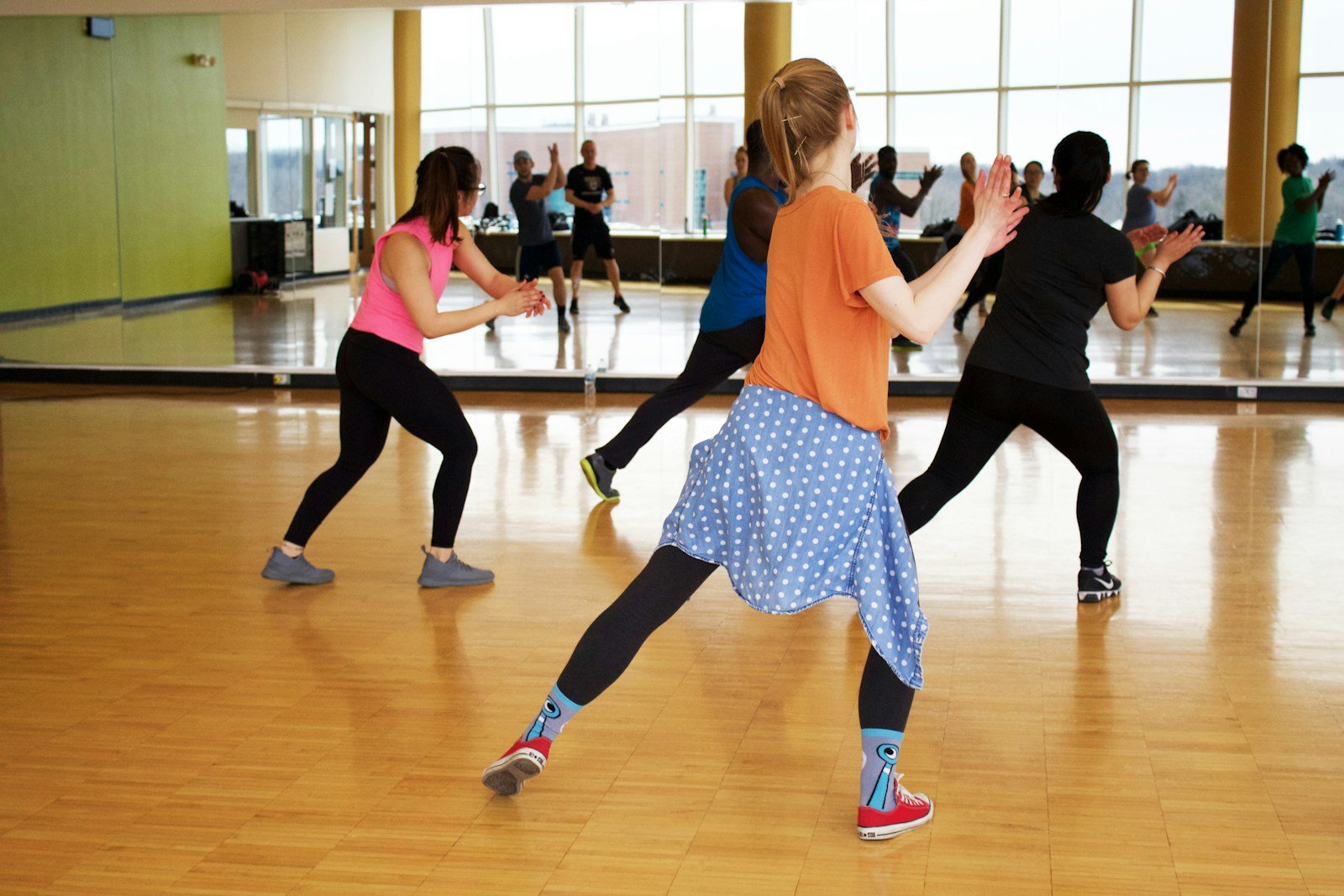
    4. Dancing

    Cardio

    Why it Works

    Who5 Cardio Workouts You Can Do Without a Treadmill says exercise can’t be fun? Dancing is an enjoyable way to get your heart rate up while improving coordination and flexibility. Plus, it’s so versatile—you can freestyle to your favorite playlist, try a dance-based fitness class like Zumba, or follow a YouTube dance workout.

    Getting Started

    • Groove Freestyle: Put on some music and dance around your living room for 20-30 minutes.
    • Follow Along: Look up beginner dance workouts online to learn moves to a specific song or style, such as hip-hop or salsa.
    • Challenge Yourself: Learn a choreographed routine to a popular song—it’s a fun, mental workout too!

    Not only is dancing great cardio, but it also lifts your mood, making it perfect at the end of a long day.

    5. Bodyweight Circuits

    Why it Works

    Bodyweight exercises like squats, lunges, and push-ups are already staples of fitness routines, but stringing them together into a fast-paced circuit transforms them into a powerful cardio workout. Bodyweight circuits require no equipment and can be adjusted to any fitness level.

    Example Circuit

    Perform the following exercises for 45 seconds each, then rest for 15 seconds between moves. Repeat the full circuit 2-3 times:

    • Push-Ups
    • Jump Squats
    • Plank Jacks
    • Walking Lunges
    • High Knees

    Progress at your own pace and gradually increase intensity by adding more rounds or shortening recovery time.

  • How to Balance Fitness and Nutrition for Sustainable Weight Loss

    How to Balance Fitness and Nutrition for Sustainable Weight Loss

    Achieving sustainable weight loss can feel like an uphill battle. But with the right balance of fitness and nutrition, reaching your goals is not only possible—it can become a long-term lifestyle change. This post will teach you how to harmonize exercise and diet while keeping your health and well-being in focus. You’ll learn practical strategies, key principles, and actionable tips to ensure your weight loss plan is effective and, most importantly, sustainable.

    Why Fitness and Nutrition Go Hand in Hand

    Many people focus solely on either diet or exercise when trying to lose weight. However, relying on just one aspect can lead to either dissatisfaction or temporary results. Sustainable weight loss is built on the synergy between what you eat and how you move.

    The Science Behind Weight Loss

    At a fundamental level, weight loss occurs when you burn more calories than you consume. This process, called a caloric deficit, can be achieved through:

    • Nutrition (controlling calorie intake by eating strategically).
    • Fitness (increasing the number of calories your body uses).

    Pairing the two allows you to better manage your energy balance and makes the process easier and more sustainable. For example, while cutting hundreds of calories from your diet might be burdensome, combining moderate dietary adjustments with exercise spreads the effort while keeping you energized and motivated.

    Holistic Health Benefits

    The benefits extend far beyond weight loss:

    • Fitness improves cardiovascular health, builds strength, and boosts mood through endorphin release.
    • Nutrition supports mental clarity, energy levels, and overall physical function.

    When these two work together, they amplify each other, creating a healthier body and mind.

    Step 1: Understand Your Unique Goals and Needs

    Before jumping into any plan, it’s essential to set realistic goals tailored to your lifestyle and body type. This is different for everyone. Here are a few tips to guide you:

    • Define “sustainable” for you: Do you want to lose 1-2 pounds per week? Or maintain your weight while building muscle?
    • Listen to your body: Consider factors like metabolism, activity level, and any health conditions.
    • Track your progress: Use a food diary or fitness app to measure whether your current habits bring you closer to your goal.

    It’s easier to stay committed when your goals are measurable and personal.

    Step 2: Build a Nutrition Plan That Supports Your Goals

    Weight Loss

    Nutrition is the building block of any weight loss plan. Here’s how to get it right:

    Focus on Whole, Nutrient-Dense Foods

    Choosing nutrient-dense foods ensures your body gets the vitamins, minerals, and energy it needs without unnecessary calories. Key options include:

    • Proteins: Chicken, fish, tofu, eggs, and legumes for muscle repair and appetite control.
    • Carbohydrates: Whole grains, fruits, and vegetables for sustainable energy.
    • Healthy Fats: Avocado, nuts, seeds, and olive oil for hormone regulation and satiety.

    Avoid Crash Dieting

    Restrictive diets may work in the short term but often lead to nutrient deficiencies and rebound weight gain. Instead, aim for small, consistent changes.

    Master Portion Control

    Even healthy foods can add extra calories if portion sizes aren’t managed. Try using smaller plates or the “hand method” (e.g., a palm-sized portion of protein, a fist of vegetables, a cupped handful of carbs).

    Hydration Matters

    Don’t forget water! Staying hydrated helps control hunger, boosts metabolism, and keeps your body functioning optimally. Aim for at least 8 glasses a day.

    Plan Ahead

    Prepping meals or having healthy snacks on hand helps you avoid the temptation of fast food or impulsive eating.

    Step 3: Incorporate a Balanced Fitness Routine

    Exercise doesn’t have to mean hours in the gym. A routine combining cardio, strength training, and flexibility exercises can help you sustain weight loss while enjoying your workouts.

    Cardio for Fat Burning

    Cardiovascular exercises like running, cycling, or swimming burn calories and promote heart health. Aim for:

    • 150–300 minutes of moderate-intensity exercise per week (e.g., brisk walking).
    • Or 75–150 minutes of high-intensity exercise (e.g., HIIT).

    Strength Training for Muscle and Metabolism

    Building muscle increases your resting metabolism, meaning you’ll burn more calories even when you’re not active. Try:

    • Weightlifting
    • Bodyweight exercises (push-ups, squats)
    • Resistance training 2–3 times a week

    Flexibility and Recovery

    Don’t skip the cool-down. Stretching or yoga prevents injuries and improves mobility, making it easier to stay consistent with workouts.

    Find Activities You Love

    Whether it’s dancing, hiking, or kickboxing, choose exercises that make you excited. This reduces burnout and keeps you motivated.

    Step 4: Find and Maintain Balance

    Life happens, and sticking rigidly to a schedule can sometimes feel overwhelming. But balance is key to sustainability. Here’s how to maintain harmony:

    • Listen to your body: Take rest days when you’re feeling tired or sore.
    • Practice moderation: Treat yourself occasionally without guilt to avoid bingeing later.
    • Be flexible: Adjust meal plans or workouts when unexpected challenges arise.

    Consistency beats perfection every time.

    Step 5: Rethink Weight Loss as a Journey, Not a Destination

    The goal isn’t just to lose weight but to create healthy habits that last a lifetime. Avoid worrying about setbacks—they’re normal and an opportunity to reassess your approach. Focus on progress, not perfection.

    Actionable Tips for Getting Started

    Want to kick-start your weight loss with practical steps today? Try these:

    1. Swap one processed snack for a piece of fruit or nuts.
    2. Find a 20-minute workout on YouTube and do it today!
    3. Stay hydrated—carry a refillable water bottle wherever you go.
    4. List one fitness activity you enjoy and schedule time for it this week.

    Start Your Journey to Sustainable Weight Loss

    Balancing fitness and nutrition is more than just a formula; it’s a mindset. By integrating small, realistic changes into your life, you’ll develop sustainable habits that support your long-term health and weight goals.

    Remember, consistency is your biggest ally. And when in doubt, make choices that fuel both your body and your happiness.

  • Top 7 Gym Mistakes Beginners Make (and How to Avoid Them)

    Top 7 Gym Mistakes Beginners Make (and How to Avoid Them)

    Starting your fitness journey at the gym can feel both empowering and overwhelming, especially if you’re new to workouts, equipment, and gym culture. Whether you’re chasing strength, endurance, weight loss, or simply a healthier lifestyle, one thing is clear—avoiding common gym mistakes will set you up for success.

    This guide breaks down some of the most frequent mistakes beginners make at the gym and provides actionable tips to help you get the most out of your fitness routine. By the end, you’ll feel more confident about navigating the gym like a pro while avoiding injuries and frustration.


    Why Addressing Gym Mistakes Matters

    Starting at the gym is an exciting step toward improving your health, but mistakes in form, planning, or approach can hinder progress.

    • Efficiency: Avoiding errors ensures you’re making the most of your time during workouts.
    • Prevention: Proper techniques and habits reduce the risk of injuries or burnout.
    • Confidence: Understanding how to work out effectively boosts self-esteem in what may seem like an unfamiliar environment.

    Let’s break down the top mistakes and how you can avoid them.


    #1 Skipping the Warm-Up

    It might be tempting to hop straight onto heavy weights or cardio machines, but skipping a proper warm-up is a big mistake. Warm-ups prepare your muscles, increase your heart rate, and reduce the risk of strains.

    How to Avoid It

    • Spend 5–10 minutes doing light cardio (e.g., brisk walking or cycling) to loosen up your body.
    • Add dynamic stretches, such as leg swings or arm circles, to work on flexibility and increase blood flow.

    Think of warming up as a way to “wake up” your body and prime it for success.


    #2 Improper Technique

    One of the most common—and dangerous—mistakes beginners make is using incorrect form. Poor technique increases the likelihood of injury and reduces the effectiveness of your workouts.

    How to Avoid It

    • Seek guidance from gym staff or hire a personal trainer for your first few sessions to learn proper form for exercises like squats, deadlifts, or bench presses.
    • Use mirrors to check your posture and alignment during exercises.
    • Start with lighter weights or bodyweight movements until you feel confident in your form.

    It’s better to perform exercises well at a lower intensity than to go heavy with poor form.


    #3 Overdoing It

    Gym

    Enthusiasm is great, but going too hard too soon can lead to fatigue, soreness, or injury. Your body needs time to adapt to new demands, especially if you’ve been sedentary.

    How to Avoid It

    • Pace yourself: Start with 2–3 sessions per week and gradually increase both the frequency and intensity of your workouts.
    • Follow the 10% rule: Don’t increase your workload (e.g., weights or cardio duration) by more than 10% per week.
    • Listen to your body. Feeling tired is normal, but pain is a signal to reassess your workout.

    Remember, fitness is a marathon, not a sprint. Relax, and enjoy the process.


    #4 Neglecting Rest Days

    Your muscles grow and recover during rest, not while you’re working out. Many beginners think they need to work out every day to see results, but this is counterproductive and can lead to burnout or injuries.

    How to Avoid It

    • Incorporate at least 1–2 rest days each week into your routine.
    • Use active recovery methods such as yoga, stretching, or a light walk instead of complete inactivity.
    • Aim for 7–8 hours of sleep per night to promote recovery and energy for your next workout.

    Rest is as important as exercising. Treat your recovery time with the same level of commitment.


    #5 Ignoring Nutrition

    Exercise is only one part of the equation. Without proper nutrition, building strength, improving endurance, or losing weight effectively becomes a challenge.

    How to Avoid It

    • Fuel up before workouts with a balanced snack, such as a banana with peanut butter, to supply energy.
    • Focus on a post-workout meal that combines protein (for muscle repair) and carbs (to replenish energy).
    • Stay hydrated by drinking water before, during, and after your workout.

    You don’t have to be perfect, but small improvements in your diet can make a noticeable difference in how you feel and perform.


    #6 Sticking to One Routine

    Repeating the same workout every session may feel comfortable, but it leads to plateaus, where your progress stalls. Your body needs variety to stay challenged and adaptable.

    How to Avoid It

    • Mix up your workouts by trying different types of exercises (e.g., strength training, HIIT, and flexibility movements).
    • Gradually increase your resistance, reps, or intensity to push your boundaries.
    • Experiment with group classes or sports to keep your routine interesting.

    Keep your fitness routine dynamic and fun!


    #7 Focusing Only on Cardio

    Many beginners stick to cardio machines like treadmills or ellipticals without exploring other workout options. While cardio is excellent for heart health and calorie burn, it doesn’t build strength like resistance training does.

    How to Avoid It

    • Include weightlifting or resistance exercises twice a week to improve muscle tone, metabolism, and overall strength.
    • Use the free weights section or resistance machines in the gym—or start with bodyweight exercises like push-ups and planks.
    • Alternate between cardio and strength training days for a balanced workout schedule.

    Strength training complements cardio and accelerates your progress toward fitness goals.


    Where to Go From Here

    Successful workouts start with informed choices. By warming up properly, focusing on form, pacing yourself, and balancing exercise with rest and nutrition, you can avoid the most common beginner gym mistakes. This not only helps you achieve better results but also prevents injuries and keeps you motivated.

    Are you ready to elevate your fitness game? Take one small step each day, and you’ll build habits that last a lifetime. Still feeling unsure about where to begin? Talk to a personal trainer or explore online resources to create a plan that works for you.

    Start strong, stay consistent, and see the transformation you’ve been working toward!

  • How to Build a Simple Home Workout Routine

    How to Build a Simple Home Workout Routine

    Building a home workout routine can be a game changer for your health and fitness. With no commute time, no expensive gym memberships, and the ability to work out on your schedule, exercising at home is practical, effective, and accessible for all fitness levels. But where do you start if you’re unfamiliar with designing your routine?

    This blog post will guide you through creating a simple, sustainable home workout plan tailored to your goals and lifestyle. Whether your objective is to improve strength, lose weight, or stay active, this guide will help you build a foundation for fitness success.

    The Benefits of Working Out at Home

    Before we discuss how to create your routine, it’s important to recognize the value of incorporating home workouts into your lifestyle.

    • Convenience: No need to commute to the gym or follow specific class schedules.
    • Cost-Effective: Say goodbye to costly gym fees—home workouts require little to no expensive equipment.
    • Flexibility: Exercise anytime you want, whether it’s early in the morning or late at night.
    • Personalized Environment: Work out in a setting that makes you comfortable, whether it’s your living room, backyard, or a dedicated home gym.

    Now that you’ve got the motivation, let’s explore how you can build a practical home workout routine.

    Step 1: Set Your Fitness Goals

    Before you begin, it’s essential to define what you want to achieve. Your goals will dictate the type of exercises, intensity, and structure of your workouts. Some common fitness goals include:

    • Improving strength
    • Enhancing cardiovascular fitness
    • Losing weight
    • Increasing flexibility
    • Boosting overall health

    Write down your primary goal. For example, if you aim to improve strength, select bodyweight or resistance-based exercises like push-ups or squats. If weight loss is your focus, incorporate high-intensity interval training (HIIT).

    Step 2: Plan Your Weekly Schedule

    Home workouts don’t have to be lengthy or time-consuming to be effective. Identify the days and times you can commit to exercising and create a realistic schedule. A good starter schedule might include three to five workouts per week, each lasting 20–45 minutes.

    Example Weekly Plan:

    • Monday – Strength Training (Upper Body)
    • Wednesday – Cardio (HIIT or steady-state exercises)
    • Friday – Strength Training (Lower Body)
    • Saturday – Flexibility (Yoga or stretching routine)

    Adjust the frequency and intensity according to your availability and energy levels.

    Step 3: Choose the Right Exercises

    Selecting a variety of exercises for different muscle groups ensures that your routine is effective and well-balanced.

    Bodyweight Exercises for Strength:

    • Push-ups (Upper Body)
    • Squats (Lower Body)
    • Planks (Core)
    • Glute Bridges (Lower Body)

    Cardio Movements:

    • High knees
    • Jumping jacks
    • Burpees
    • Mountain climbers

    Flexibility Work:

    • Downward dog pose
    • Cat-cow stretch
    • Hip flexor stretch

    Create a circuit by choosing 6–8 exercises and performing each for 30 seconds to 1 minute with short rests between—complete 2–3 rounds for a single workout session.

    Step 4: Invest in Minimal Equipment (Optional)

     Workout

    While bodyweight exercises are highly effective, adding a few pieces of equipment can enhance your routine. Consider affordable and space-friendly tools like:

    • Resistance bands
    • Dumbbells or kettlebells
    • A yoga mat
    • A stability ball

    These items can expand your workout options and increase challenge levels as you progress.

    Step 5: Warm-Up and Cool Down

    Never skip your warm-up or cool-down. These components are critical for injury prevention and overall performance.

    Warm-Up (5–10 Minutes):

    • Light cardio (e.g., jogging in place or cycling)
    • Dynamic stretches (e.g., leg swings, arm circles)

    Cool Down (5–10 Minutes):

    • Slower movements to lower your heart rate
    • Static stretches (e.g., hamstring stretch, quad stretch)

    Step 6: Stay Consistent and Monitor Progress

    Consistency is key to seeing results. Commit to your weekly plan and track your progress. Some effective tracking methods include:

    • Logging your workouts in a journal or an app.
    • Noting increases in reps, duration, or weight used.
    • Taking monthly progress photos.

    Monitoring your improvements keeps you motivated and ensures your routine aligns with your goals.

    Tips for Success

    • Start Small: If you’re a beginner, focus on mastering basic movements before increasing intensity.
    • Listen to Your Body: Identify when to push harder and when to rest. Recovery is just as important as working out.
    • Stay Engaged: Switch up your exercises and playlists to keep workouts fun and exciting.
    • Build a Habit: Aim to work out at the same time each day to make exercise a non-negotiable routine.

    Take Control of Your Fitness Journey Today

    Home workouts offer a world of possibilities to stay active, healthy, and fit without stepping outside. All it takes is a little planning, dedication, and consistency to build a workout routine that works for you.

    Feeling inspired but unsure how to get started? customize your schedule based on the steps outlined above. Take the first step towards a healthier you—your fitness future starts today!

  • The Best Pre- and Post-Workout Meals for Maximum Results

    The Best Pre- and Post-Workout Meals for Maximum Results

    Fueling your body effectively before and after a workout is crucial for achieving your fitness goals, whether you’re aiming to build muscle, improve endurance, or lose weight. But what should you eat to maximize your results? This guide will break down the best pre- and post-workout meals, explaining how they work to fuel your body and support recovery.

    Why Nutrition Matters for Workouts

    What you eat before and after exercise isn’t just about satisfying hunger—it impacts your energy levels, performance, and recovery. Eating the right foods can help you:

    • Boost Energy: A good pre-workout meal provides the fuel you need to power through your workout.
    • Enhance Performance: The right nutrients can optimize your strength, endurance, and focus.
    • Support Recovery: Post-workout meals replenish energy stores and repair muscles, helping you recover faster and reduce soreness.

    Now, let’s break down pre- and post-workout nutrition step by step.

    The Best Pre-Workout Meals

    A pre-workout meal should provide energy-boosting carbohydrates, complemented by some protein to support muscle performance. Here’s a simple breakdown.

    Timing Your Pre-Workout Meal

    • Large meals should be eaten 3–4 hours before exercise.
    • Small meals or snacks should be consumed 30 minutes to 2 hours beforehand.

    This ensures you have enough time to digest and don’t feel sluggish while working out.

    Nutrient Breakdown

    1. Carbohydrates – Carbs are your body’s primary source of energy. They give you the fuel to perform at your best.
    2. Protein – Consuming protein before exercise minimizes muscle breakdown and prepares your muscles for the stress of working out.
    3. Fats (minimal) – While fats are important in general nutrition, eating a high-fat meal immediately before exercise may slow digestion and cause discomfort.

    Examples of Top Pre-Workout Meals

    • Banana with Peanut Butter

    A quick and simple combo that delivers fast-acting carbs from the banana and healthy fats and protein from the peanut butter.

    • Oatmeal with Berries and a Scoop of Protein

    Packed with complex carbs and protein, this meal offers sustained energy over a longer workout.

    • Greek Yogurt with Honey and Granola

    A great mix of carbs, protein, and probiotics to energize your workout.

    • Rice Cakes Topped with Turkey and Avocado

    A light option that combines quality carbs, lean protein, and healthy fats for sustained energy.

    Hydration

    Don’t forget to drink water! Being hydrated is just as important as fueling your body, so aim to drink 16–20 ounces of water in the 2–3 hours leading up to your workout.

    The Best Post-Workout Meals

    After a workout, your body needs to recover and rebuild muscle while replenishing its energy stores. This makes it essential to eat a nutrient-rich meal within 30 minutes to 2 hours post-exercise.

    Why Post-Workout Nutrition Matters

    Exercise depletes your body’s glycogen stores (its main energy source) and creates tiny tears in your muscles. A well-balanced post-workout meal supports the recovery process by:

    • Replenishing glycogen with carbohydrates.
    • Promoting muscle repair and growth with protein.
    • Restoring hydration by replacing lost fluids.

    Nutrient Breakdown

    1. Protein – Aim for 20–30 grams of high-quality protein to repair and build muscles.
    2. Carbohydrates – Replace glycogen stores with a 3:1 or 2:1 ratio of carbs to protein, depending on workout intensity.
    3. Fats – Healthy fats like avocado or nuts can aid recovery, but keep them minimal to prioritize faster digestion.

    Examples of Top Post-Workout Meals

    Meals
    • Grilled Chicken with Sweet Potato and Steamed Broccoli

    A classic balanced meal that provides lean protein, quality carbs, and fiber.

    • Protein Smoothie with Spinach, Banana, and Almond Milk

    Quick and easy to digest, this refreshing shake delivers fast fuel and essential nutrients.

    • Salmon with Quinoa and Roasted Vegetables

    Rich in omega-3s, salmon combats inflammation, while quinoa and veggies replenish energy.

    • Egg and Avocado Toast on Whole Grain Bread

    This combination of carbs, protein, and healthy fats is a quick go-to meal for recovery.

    Hydration and Electrolytes

    Rehydrate with water or an electrolyte drink to replace minerals like sodium and potassium lost during exercise. Coconut water or a homemade electrolyte drink are great natural options.

    Common Myths About Workout Nutrition

    Myth 1: You Need Expensive Supplements

    While protein powders and energy bars can be convenient, whole foods like eggs, chicken, beans, and oats are just as effective for fueling your body.

    Myth 2: Carbs Post-Workout Are Bad

    Carbohydrates are your body’s fuel. After intense workouts, they’re essential for replenishing energy stores and enhancing recovery.

    Myth 3: Fasted Workouts Burn More Fat

    While some people swear by fasted workouts, they may lead to reduced performance and muscle loss over time. Eating a small, balanced meal prior to exercise optimizes your training intensity.

    Tips for Maximizing Your Nutrition

    1. Meal Prep – Plan and prepare pre- and post-workout meals in advance to avoid reaching for unhealthy snacks.
    2. Listen to Your Body – Keep track of which foods work best for you and adjust as needed.
    3. Experiment with Timing – Find the timing that works best with your schedule and digestion.

    Fuel Your Workouts the Right Way

    Fueling your body shouldn’t be complicated—it’s all about balance and timing. Pre-workout meals prepare your body to perform, while post-workout meals ensure you recover and come back stronger. By incorporating the meal ideas in this guide, you can take your fitness routine to the next level.

    Want more personalized nutrition advice? Subscribe to our newsletter for expert tips and recipes to optimize your training and recovery!